
Show summary Hide summary
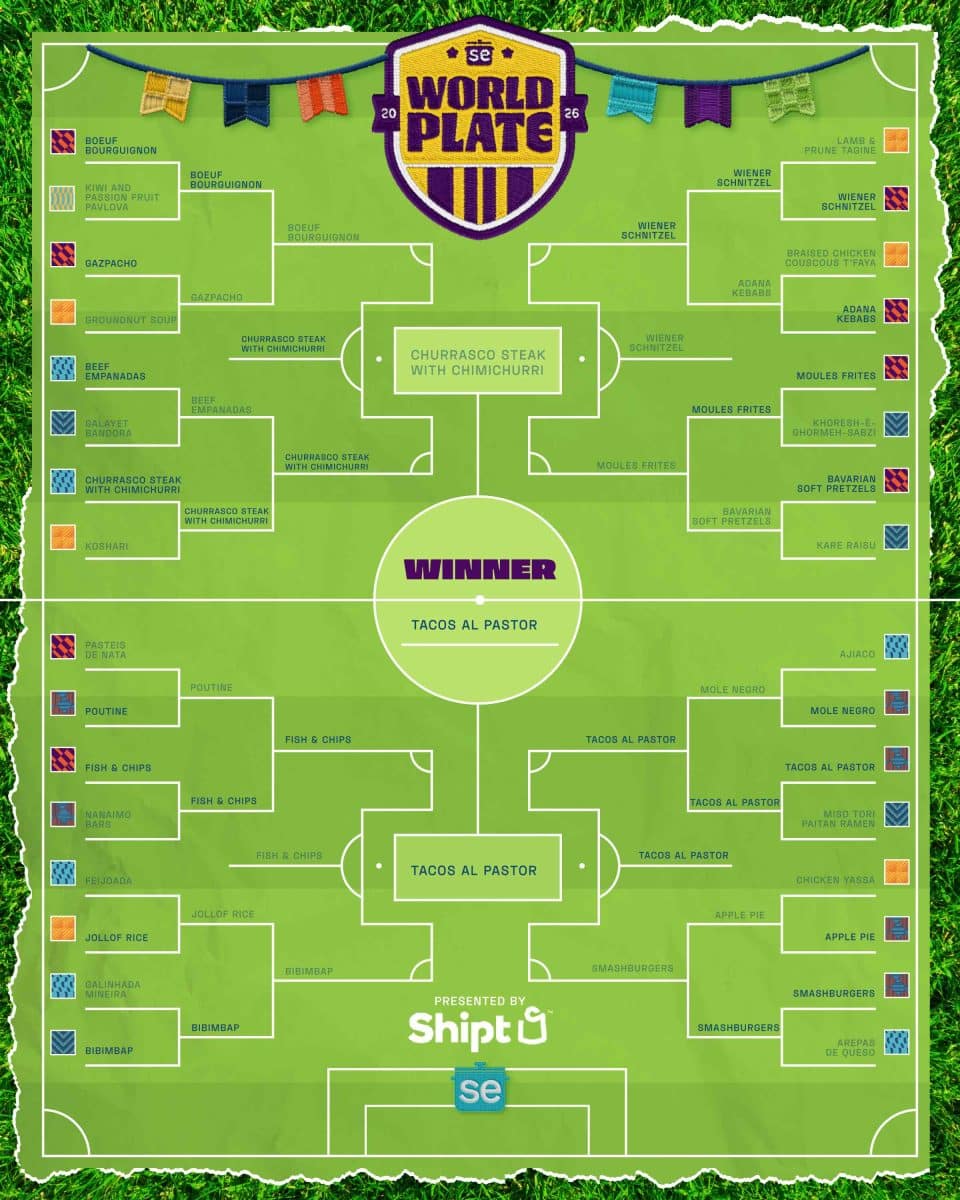
The 2026 World Cup has already reshaped more than stadium schedules — it’s remaking menus. As supporters flock to watch the matches, chefs, street vendors and neighborhood pubs are staging their own kind of tournament: national cuisines competing for the title of most memorable matchday bite. That matters now because what fans eat during games is becoming part of the event’s cultural story and a measurable boost for small businesses.
Across host cities and online communities, matchday menus mix tradition and improvisation. For many fans, a team’s colors are now accompanied by a signature flavor: smoky barbecue for one nation, bright citrus and spice for another. Restaurants use the World Cup as a calendar anchor, offering limited-time dishes tied to fixtures and driving loyalty from diasporas and curious locals alike.
The stakes for restaurants and neighborhoods
For independent eateries, the tournament brings concentrated demand. A well-timed special can turn a slow weekday into a packed night of repeat customers. But there are trade-offs: sourcing authentic ingredients for several national menus at once strains supply chains, and the rush can expose staff shortages.
Caramel, butterscotch, toffee: how their differences affect your desserts
McDonald’s rebrands Twitter to honor Bubba Wallace after his first NASCAR Cup win
Beyond revenue, there’s a cultural stake. Food operates as informal diplomacy; when a neighborhood hosts a matchnight centered on another country’s cuisine, it creates an immediate, low-barrier encounter with a different culture. That can build understanding — or deepen misconceptions if dishes are presented as caricatures rather than reflections of culinary complexity.
How venues are responding
Bars and cafés in cities hosting big screens are mixing formats. Some focus on authenticity, inviting guest chefs or partnering with cultural associations. Others take a fusion approach — imagining hybrid snacks that reference two competing nations when their teams meet.
Pop-ups and food trucks have been particularly nimble, rotating menus based on the match schedule and capitalizing on foot traffic outside fan zones. Large-scale caterers at official fan festivals have leaned into standardized, crowd-friendly items, even as grassroots options emphasize artisanal or regional specialties.
| Nation | Signature matchday dish | Why it works for fans |
|---|---|---|
| Brazil | Churrasco skewers | Bold, shareable, and easy to eat while watching — feeds groups and echoes street‑grill culture. |
| Mexico | Tacos al pastor | Portable, versatile fillings suit varying palates and pair well with beer. |
| France | Charcuterie plates | Elegant but casual — invites sharing and appeals to viewers who want something less greasy. |
| Japan | Takoyaki | Warm, handheld octopus balls travel well to fan zones and offer snackable novelty. |
| Senegal | Thieboudienne | A savory rice-and-fish staple that highlights regional flavors and invites communal eating. |
| United States | Smoked brisket sliders | Hearty, familiar, and easy to adapt for large crowds. |
| Argentina | Empanadas | Portable, flavorful pockets that reflect home cooking and comfort food. |
| South Korea | Fried chicken and pickles | Crisp, shareable, and perfectly paired with cold beer — ideal for high-energy match moments. |
Practical tips for host venues
- Plan menus that balance authenticity with operational simplicity — limit the number of complex, labor‑intensive items during peak matches.
- Source key ingredients early and communicate substitutions transparently to customers.
- Use match schedules to stagger promotions, avoiding overload on the busiest days.
- Highlight provenance and context on menus so dishes are presented respectfully and informatively.
Fans should expect more than novelty: for many communities, matchnight menus are a way to assert identity and support. Diaspora-run restaurants see spikes in bookings when their national teams play, and special menus can act as a cultural billboard to newcomers.
There are also longer-term effects. Restaurants that build goodwill during the tournament can keep new customers year-round. Conversely, shallow or stereotyped presentations risk alienating communities and diminishing the educational potential of sharing food across cultures.
What to look for during the tournament
Watch how venues handle authenticity and accessibility. Are dishes explained on menus? Do promotions involve community groups? Is there a balance between spectacle and substance?
If you’re a fan planning where to watch, consider neighborhood spots run by members of the country you’re supporting — it’s often where you’ll find the most meaningful flavors and stories. And if you run a venue, remember: a thoughtful menu can do more than satisfy hunger. It can create a conversation that lasts well after the final whistle.
Irish whiskey: approachable bottles new drinkers should try today
Fishtown restaurants ranked: must-visit spots locals are raving about










