Show summary Hide summary
This summer, backyard cooks face the same question: spend the day tending a smoker for deeply flavored meat, or choose a simpler, hands-off approach that still delivers tender shredded pork? Both methods work — but each has different time, gear, and flavor trade-offs that matter for your schedule and the kind of meal you want to serve.
Why the choice matters now
With warm-weather gatherings and holiday weekends approaching, deciding how to cook a pork shoulder affects more than taste. The method you pick shapes planning for sides, timing for guests, and whether you can relax or need to babysit a pit. Understanding the differences helps you match technique to the occasion.
Caramel, butterscotch, toffee: how their differences affect your desserts
McDonald’s rebrands Twitter to honor Bubba Wallace after his first NASCAR Cup win
Two reliable routes to tender pork
The classic route uses a smoker and smoke woods to build a complex outer crust and a deep, smoky backbone. The alternative is a set-and-forget method — oven braising or a slow cooker — which trades smoke for simplicity and predictable tenderness. Both end in the same goal: meat that shreds easily and soaks up sauce.
What to expect from each method
Use a smoker if you want a pronounced smoky flavor and a crisp, well-developed bark. That requires time and attention — controlling temperature and adding wood for smoke — but rewards you with a texture and aroma most barbecue enthusiasts prize.
Choose the set-and-forget method when you need predictable results with minimal monitoring. An oven roast wrapped tightly, or a slow cooker on low, will produce uniformly tender meat with less exterior bark but excellent juiciness and ease of preparation.
| Method | Target Temp | Estimated Time | Key Strength |
|---|---|---|---|
| Smoker (low-and-slow) | 225°F (smoke) to 195–205°F internal | 10–16 hours (1.25–2 hrs per lb, plus stall time) | Smoky flavor, crisp bark |
| Oven braise / Slow cooker | Oven 300°F / Slow cooker low | Oven: 4–6 hours; Slow cooker: 8–10 hours | Hands-off, consistent tenderness |
Practical steps for the smoker
Trim excess fat but leave a thin cap to keep the meat moist. Apply a dry rub of salt, pepper, brown sugar, and your preferred spices at least an hour before cooking — overnight improves the crust.
Keep the smoker steady near 225°F. Use fruit woods like apple or cherry for lighter smoke, or hickory and oak for stronger notes. Expect a multi-hour “stall” where internal temperature plateaus; patience is part of the process. Once the shoulder reaches about 195–205°F internally, probe it for tenderness — it should feel like soft butter and pull apart easily.
After pulling from heat, wrap the meat and let it rest for 30–60 minutes. Resting redistributes juices and makes shredding cleaner and juicier.
Practical steps for the set-and-forget approach
Season the shoulder and sear it briefly in a hot pan to jump-start Maillard browning, if desired. Place the meat in a Dutch oven or slow cooker with a cup or two of liquid — stock, cider, or a thin barbecue sauce — and cook until the meat shreds with little resistance.
In the oven, 300°F usually delivers a good balance of time and tenderness; cover tightly with foil to preserve steam. In a slow cooker, low heat for 8–10 hours yields fall-apart texture and frees you to focus on sides and timing.
- Flavor tip: Finish shredded pork with a few spoonfuls of pan juices or reserved cooking liquid to keep it moist.
- Sauce handling: Serve sauce on the side so guests can control sweetness and tang.
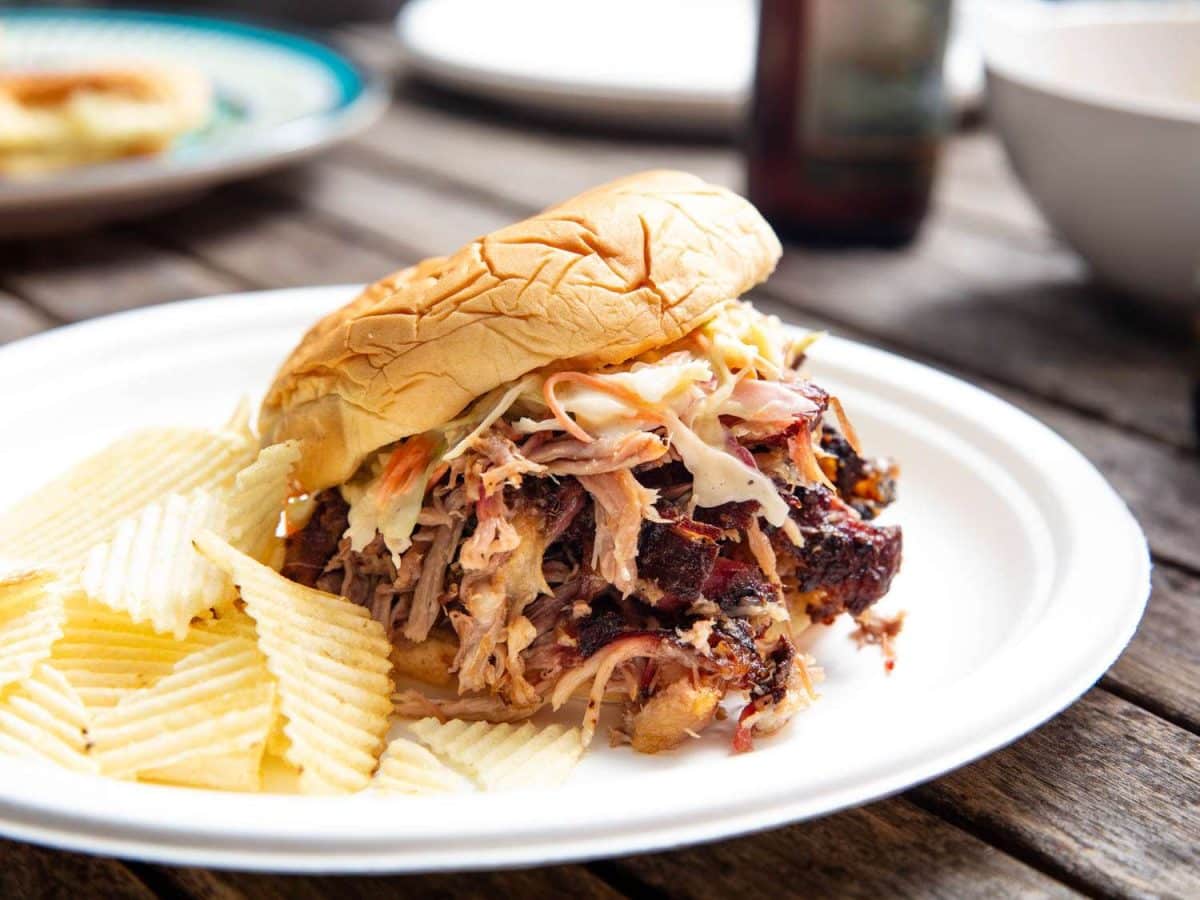
- Serving ideas: Sandwiches, tacos, grain bowls, or simple plates with coleslaw.
- Storage: Refrigerate leftovers within two hours and consume within four days, or freeze for up to three months.
When to pick each method
If you’re cooking for a crowd and want a dramatic centerpiece with authentic barbecue character, choose the smoker and plan ahead. If you need reliability and minimal supervision — for weekday meals or when hosting but also entertaining — the oven or slow cooker will serve you well.
Either way, the final measure of success is texture and moisture. Aim for meat that shreds easily and soaks up sauce rather than drying out on the plate.
With a clear plan for equipment, time, and flavor, you can match the technique to the day’s needs and still deliver great pulled pork every time.
Irish whiskey: approachable bottles new drinkers should try today
Fishtown restaurants ranked: must-visit spots locals are raving about