Show summary Hide summary
Cookbook author Reem Kassis has been tracing the many faces of hummus served in shops across the region, showing how modest changes in technique, seasoning and presentation create markedly different dishes. Her observations and practical tips aim to help home cooks reproduce those local variations and understand what makes each style distinct.
Hummus is often read as a single dish, but in practice it is a family of preparations defined by texture, balance and toppings. In busy city markets and neighborhood shops, vendors rely on small, repeatable choices — how long the chickpeas are cooked, whether the tahini is whipped first, how much lemon is added — to create a recognizable house style. Those details matter for cooks trying to copy a favorite plate at home.
What to notice at the counter
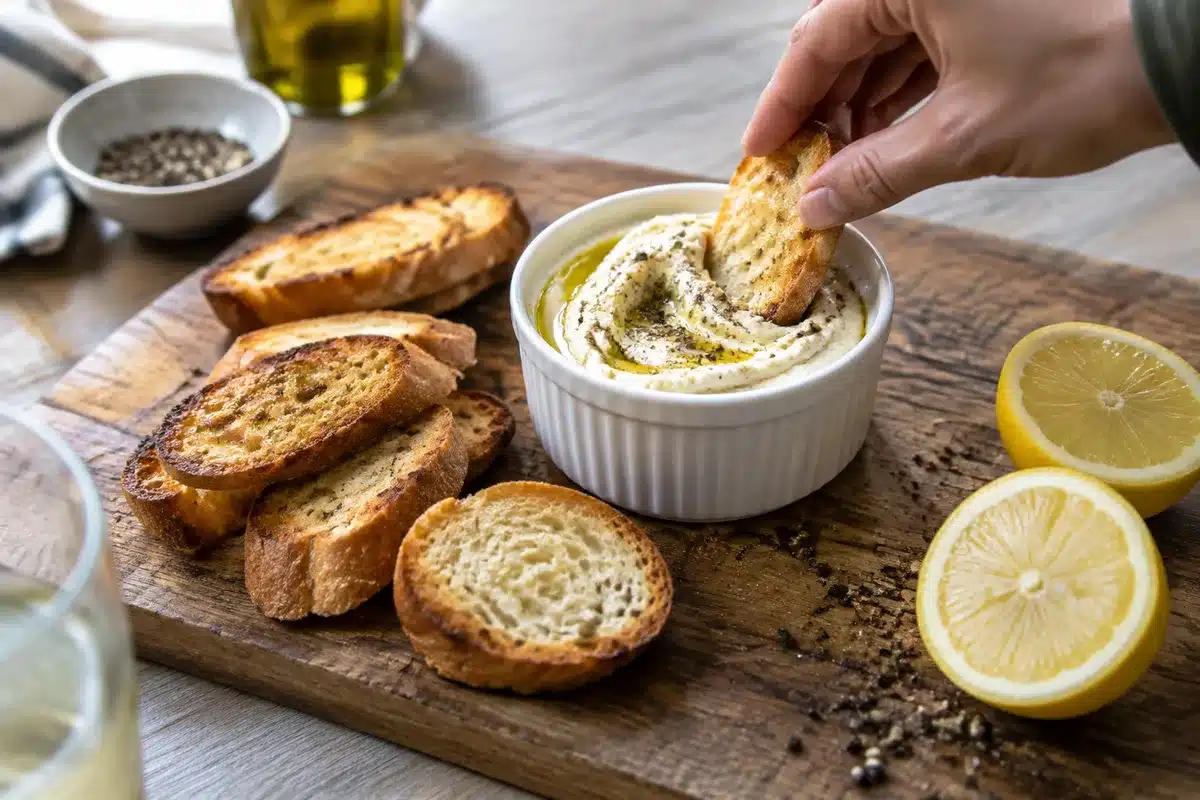
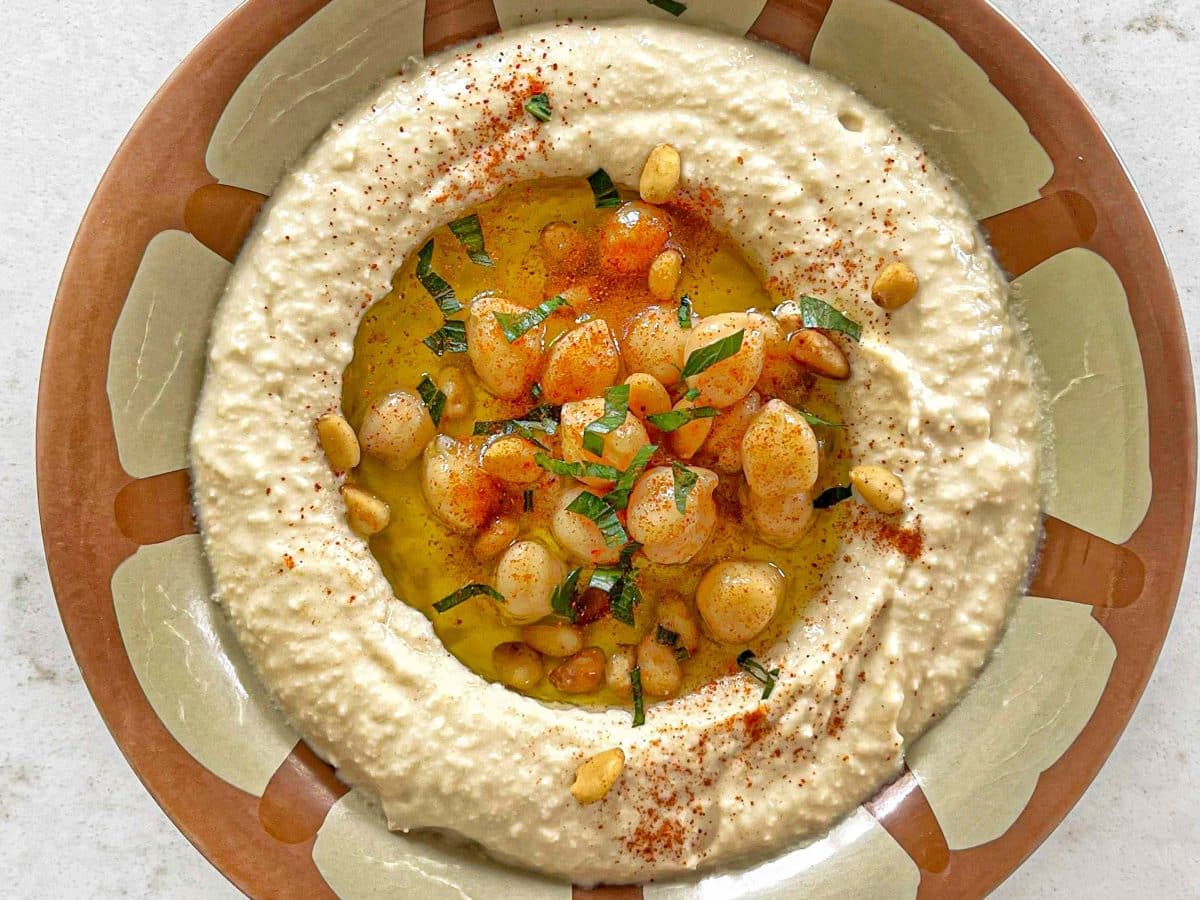
When you order hummus in different towns you might find a version that is ultra-smooth and glossy, another that is coarser and studded with whole beans, or a plate dressed with warm spiced oil and pine nuts. Kassis points out that these differences are not only culinary; they reflect local tastes, ingredient availability and even the shop’s cooking equipment.
Caramel, butterscotch, toffee: how their differences affect your desserts
McDonald’s rebrands Twitter to honor Bubba Wallace after his first NASCAR Cup win
Small choices that change the result:
- Texture: long-blended and emulsified vs. lightly mashed and rustic.
- Fat: more tahini-forward vs. olive oil–accented finishes.
- Toppings: toasted seeds and nuts, spiced oils, whole chickpeas, herbs, or preserved lemon.
Practical tips to reproduce regional styles at home
Below are Kassis’s approachable techniques for home cooks, distilled into straightforward steps. They focus on process rather than strict recipes — subtle technique shifts will steer your hummus toward different regional profiles.
- Start with the cooking: soak dried chickpeas overnight for even tenderness, and simmer with a pinch of baking soda to help the skins loosen and the legumes soften.
- Reserve some cooking liquid (or use aquafaba from canned beans) — warm, starchy liquid helps achieve a silkier emulsification than adding cold water.
- For the creamiest result, blend tahini first with lemon and a little water until smooth before adding chickpeas; this creates a stable emulsion.
- Peeling chickpeas is optional but yields a noticeably smoother texture; do it if you’re aiming for restaurant-level silkiness and have the patience.
- Taste as you go: acidity and salt are the keys. Lemon brightens, while salt unlocks tahini’s richness — adjust incrementally.
- Finish thoughtfully: warm spiced oil, toasted pine nuts, or a scattering of whole boiled chickpeas change both texture and appearance, signaling different local traditions.
| Broad style | Typical texture | Common finishing touches | What to adjust |
|---|---|---|---|
| Silky, emulsified | Ultra-smooth, glossy | Olive oil drizzle, lemon | Blend tahini first; use hot cooking liquid |
| Rustic, chunky | Coarse mash with whole beans | Warm chickpeas, paprika, parsley | Light mashing; add whole beans as garnish |
| Tahini-forward | Thicker, nutty mouthfeel | Extra tahini swirls, lemon | Increase tahini ratio; balance with lemon and salt |
| Spiced or smoky | Varies | Aleppo pepper, smoked oil, cumin | Finish with hot flavored oil or spice blend |
Kassis’s approach reframes hummus as a canvas: mastering a few core techniques gives you the freedom to recreate many regional plates. For readers, that means a simple path to better home cooking and a clearer appreciation of why a hummus from one neighborhood can taste so different from another.
Try one change at a time — a different blending order, a warmer liquid, or a toasted topping — and you’ll quickly notice which elements shape the profile you prefer. The payoff is practical: small adjustments deliver big differences, whether you’re making a weeknight dip or chasing the memory of a street-corner favorite.
Irish whiskey: approachable bottles new drinkers should try today
Fishtown restaurants ranked: must-visit spots locals are raving about