Show summary Hide summary
Dinnertime gets a quick, flavorful update when a jar of kimchi is within reach. Beyond its spicy crunch, kimchi now figures in conversations about gut health, culinary creativity, and fast weeknight cooking—making it a timely pantry ingredient for busy households.
At its simplest, kimchi is fermented cabbage and spices. But that description undersells its culinary reach: it can shift the balance of an entire dish, add acidic brightness, and reduce the need for extra salt or fat. The result is a compact ingredient that delivers both flavor and texture with minimal effort.
Why kimchi matters now
Interest in fermented foods has grown steadily, and kimchi sits at the intersection of taste trends and nutrition conversations. Newer studies and broader coverage of the microbiome have prompted chefs and home cooks alike to treat kimchi as more than a condiment. Restaurants are folding it into menus from sandwiches to salads, while home cooks use it to rescue leftover rice, boost roasted vegetables, or enliven quick soups.
Caramel, butterscotch, toffee: how their differences affect your desserts
McDonald’s rebrands Twitter to honor Bubba Wallace after his first NASCAR Cup win
That cultural momentum matters for readers because kimchi is both accessible and adaptable. You don’t need advanced skills to use it, and a small jar can transform several meals across a week—making it useful for budget-conscious households and adventurous eaters alike.
Practical ways to use kimchi this week
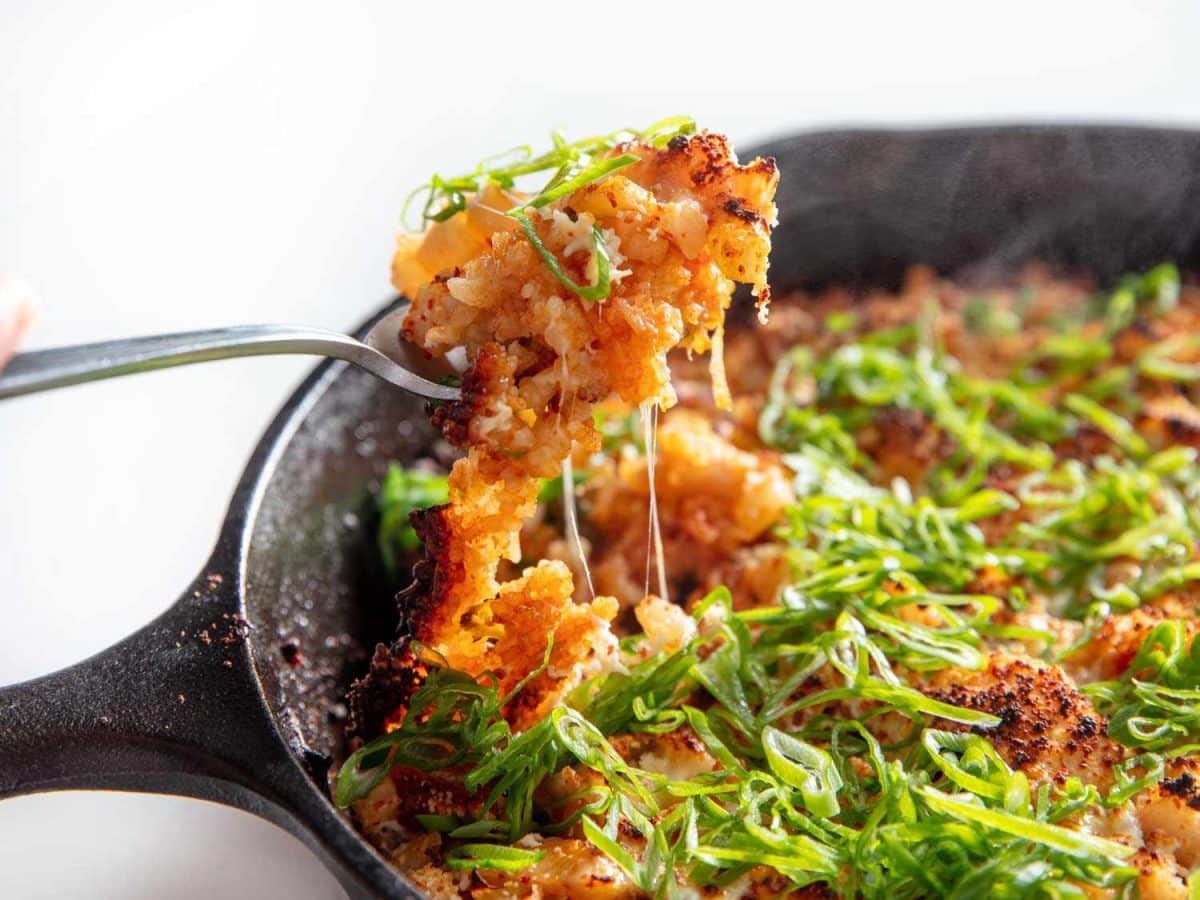
- Kimchi fried rice — Stir-fry day-old rice with kimchi, a splash of soy, and an egg for a fast, satisfying meal.
- Quick stew — Simmer kimchi with broth and tofu for a simple kimchi stew that develops depth in minutes.
- Sandwich upgrade — Add chopped kimchi to grilled cheese or burgers for tang and crunch.
- Roast companion — Toss on roasted squash or Brussels sprouts to cut through richness.
- Salad booster — Use drained, sliced kimchi instead of pickles in potato or grain salads.
Storage, flavor intensity and selection
Not all kimchi jars are the same. Fermentation time, salt level, and added ingredients change aroma and heat.
| Type | Flavor profile | Best use | Fridge life (unopened/opened) |
|---|---|---|---|
| Fresh (lightly fermented) | Bright, crisp, less sour | Salads, sandwiches | 3–6 months / 1–2 months |
| Mature (fully fermented) | Sour, deep umami | Stews, fried rice | 6–12 months / 3–6 months |
| Spicy varieties | Heat-forward, bold | Grilled proteins, tacos | Depends on ferment; check label |
Label reading helps. Look for simple ingredient lists and a production date if you want a milder jar; longer fermentation equals more pronounced tang. Store kimchi in the coldest part of the fridge and use a clean utensil to avoid cross-contamination.
Health and culinary trade-offs
Kimchi contributes to dietary diversity through fermentation-derived flavors and, in many varieties, live cultures. Researchers continue to explore how fermented foods influence the gut microbiome, but kimchi is not a cure-all. It can be high in sodium, so moderation matters—especially for people monitoring salt intake.
The culinary trade-off is straightforward: a few spoonfuls can replace heavier sauces and added salt, but it will also change a dish’s flavor profile. Experiment in small amounts until you find the balance you prefer.
For readers wanting to make kimchi part of weekly cooking, start small. Keep a jar in the fridge, use it aggressively in one or two dishes to learn its strength, then widen its role. In kitchens where time is scarce, that one jar can lift multiple meals from ordinary to distinctive.
Irish whiskey: approachable bottles new drinkers should try today
Fishtown restaurants ranked: must-visit spots locals are raving about