
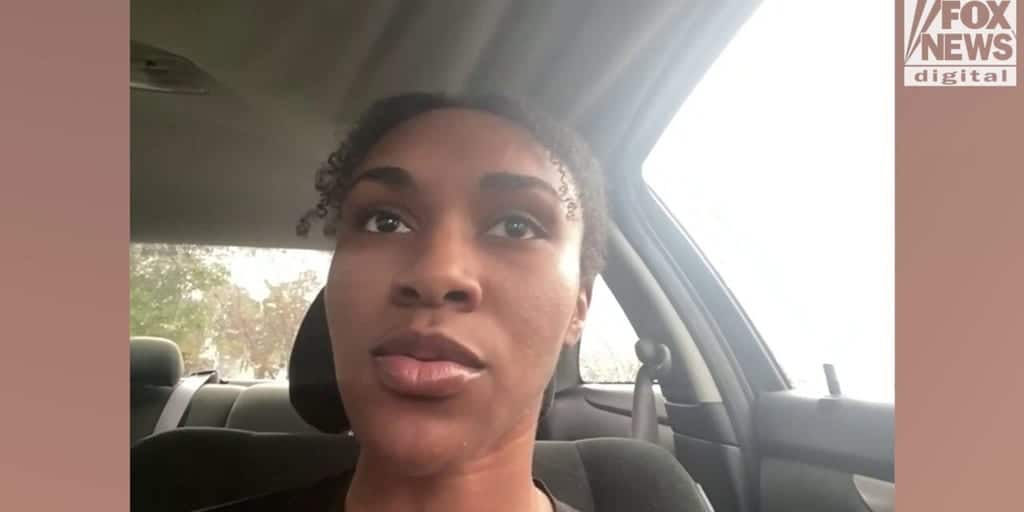
A woman who says she is a Christian has gone public claiming she was fired from her job at a Starbucks store after managers objected to her conservative beliefs, a dispute that touches on workplace free expression and protections for religious employees. The allegation raises questions about how large employers balance inclusive workplace policies with employees’ personal convictions — and what legal recourse is available to workers who feel they were dismissed for their faith or political views.
What the worker alleges
The employee says her supervisors criticized her conservative viewpoints and that the disagreement escalated until she was dismissed. She frames the termination as motivated by her religious and political identity rather than job performance. The account has drawn attention from local media and from advocates who track claims of workplace discrimination.
Caramel, butterscotch, toffee: how their differences affect your desserts
McDonald’s rebrands Twitter to honor Bubba Wallace after his first NASCAR Cup win
Company response and public records
Starbucks has not issued a public statement addressing this specific allegation. In similar instances, national retailers typically say they investigate complaints and emphasize policies intended to protect customers and employees alike. Public filings or a formal complaint would be the clearest way to document next steps; absent those records, the account remains an allegation.
Why this matters now
Cases like this highlight a legal and cultural crossroads: employers are under increasing pressure to maintain inclusive environments while workers claim the right to hold and express religious or political beliefs. The outcome of any investigation—or a potential legal challenge—could affect how companies write conduct policies and how employees practice their beliefs at work.
Legal framework in brief
Under U.S. federal law, Title VII prohibits employers from discriminating on the basis of religion and requires reasonable accommodation of sincerely held religious beliefs unless doing so would cause undue hardship for the business. That protection is distinct from political speech, which does not receive the same federal protection. Enforcement is typically handled through the EEOC and, in some states, through additional state agencies or courts.
Practical implications for employees and employers
Workers who believe they were targeted because of their faith should preserve evidence — text messages, emails, performance reviews, or witness names — and consider filing a complaint with the relevant agency. Employers should ensure policies are narrowly tailored, consistently enforced, and clearly communicated to avoid misunderstandings and legal exposure.
What to consider next
- Document everything: Keep copies of any written communications and record dates and names of witnesses to conversations or disciplinary actions.
- Check company policy: Review employee handbooks and codes of conduct to see what behavior is expressly prohibited and how disputes are handled.
- Contact HR first: If safe and practical, raise concerns internally to prompt an investigation and create a record of the complaint.
- Know the timelines: Administrative deadlines for filing a discrimination charge — often 180 days, sometimes longer under state law — can be strict; act promptly.
- Seek legal advice: An employment attorney or local civil-rights organization can assess whether the facts support a discrimination claim and advise on steps.
Broader context and perspectives
Labor experts note that disputes over personal beliefs at work are becoming more visible as social and political polarization seeps into everyday interactions. Companies must balance protecting employees from harassment against allowing lawful personal expression, a balance that often plays out unevenly across industries and stores.
What to watch for
If the woman files a formal complaint with the EEOC or a state agency, the agency’s findings and any subsequent legal filings would provide documented facts and produce a clearer legal record. A settlement, administrative determination, or lawsuit would each send a signal about how similar disputes might be handled going forward.
Bottom line
Allegations that someone was fired for their religious or political identity raise important questions about workplace rights and employer responsibilities. For now, the case is an unproven claim that underscores the need for careful documentation, prompt legal counsel when appropriate, and clearer guidance from employers on how personal beliefs intersect with workplace conduct.
Irish whiskey: approachable bottles new drinkers should try today
Fishtown restaurants ranked: must-visit spots locals are raving about










