
Show summary Hide summary
If you want to keep calories and sodium in check without skipping fast food, Taco Bell can work — but only when you choose intentionally. Nutrition experts say a handful of menu items and a few smart swaps turn an otherwise indulgent run into a reasonably balanced meal.
Registered dietitians consulted for this piece point to plant-based options and customizable bowls as the easiest ways to add fiber and protein while lowering excess salt and empty calories. Below are dietitian-backed picks and practical strategies to make the chain fit into a healthier routine.
Dietitian-approved picks to order
Black Bean Soft Taco
Caramel, butterscotch, toffee: how their differences affect your desserts
McDonald’s rebrands Twitter to honor Bubba Wallace after his first NASCAR Cup win
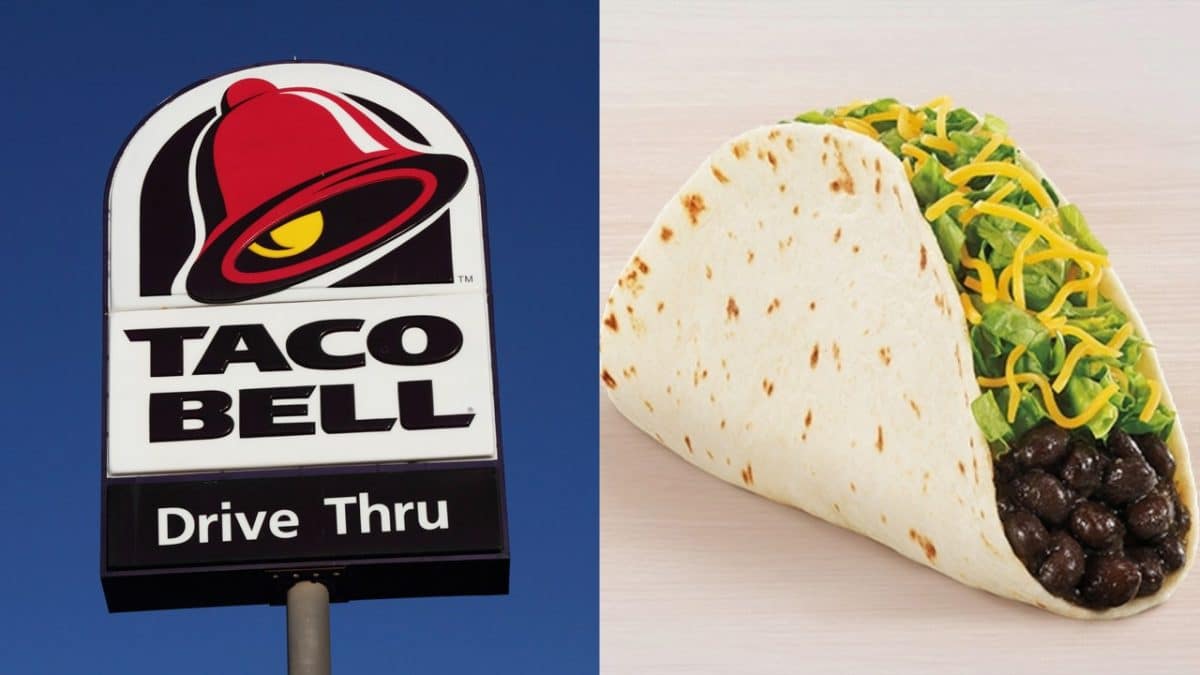
A simple, small taco centered on black beans, lettuce, tomato and a sprinkle of cheese stands out for its fiber and modest sodium. One taco can deliver roughly 5 grams of fiber — about one-fifth of an adult’s daily target — while keeping added salt lower than many larger menu items.
Black Bean Chalupa
For more plant-forward protein, the chalupa with black beans and vegetables is a sensible swap for meat-based tacos. It adds fiber and vegetables — nutrients many fast-food meals lack — and is recommended by longevity and gut-health specialists as a gut-friendly choice.
Breakfast California Crunchwrap
If you want a heartier start, the breakfast Crunchwrap with eggs and avocado combines complete protein and healthy fats. The inclusion of tomato and avocado boosts vitamins and satiety compared with many traditional fast‑food morning options.
Black Bean Crunchwrap Supreme
This version of the crunchy wrap keeps the satisfying texture but emphasizes beans and greens. It’s a higher-fiber lunch option and you can request extra lettuce and tomato to stretch the vegetables further.
Veggie Power Bowl
One of the most flexible menu items, the Veggie Power Bowl responds well to customization. Cutting back on rice and cheese while adding extra beans, guacamole and lettuce can raise protein and fiber and lower overall sodium.
Nachos BellGrande — with a few changes
The classic plate of nachos can be tuned into a more balanced meal by replacing meat with black beans, skipping or limiting processed cheese sauce, and topping with guacamole and extra vegetables. That approach can yield double‑digit grams of protein and fiber for fewer than 650 calories.
How to order smarter — quick checklist
- Favor beans over processed meats: black beans add fiber and plant protein without the saturated fat and higher sodium of many meats.
- Ask for extras, not additions: double up on lettuce, tomatoes or pico de gallo rather than adding cheese or creamy sauces.
- Skip or limit sauces: nacho cheese and many dressings inflate sodium and calories; choose guacamole or a lower-sodium sauce when available.
- Trim refined carbs: request less rice, small tortillas or open-style orders to reduce excess calories.
- Customize via the app: Taco Bell’s ordering tools make swaps easy and let you preview nutrition changes before paying.
Those steps mirror real-world advice from nutrition professionals. Jen Hernandez, a registered dietitian and CEO of Plant‑Powered Kidneys Inc., says Taco Bell has added more plant-based and lower-sodium choices in recent years, making healthier selections more accessible. Ella Davar, a longevity and gut-health dietitian, cautions that while the chain isn’t a health-food destination, selective ordering can yield nutrient-dense meals.
Practical benefits matter: choosing higher-fiber items helps with fullness and digestive health, while emphasizing plant fats like avocado supplies lasting energy and heart-healthy nutrients. Small tweaks — swapping meat for beans, adding veggies, and skipping heavy sauces — typically cut calories and salt without sacrificing flavor.
What this means for you today
Fast-casual chains are evolving; if you eat out frequently, learning which menu items pack fiber and protein makes a measurable difference for weight and chronic disease risk over time. For people balancing convenience and nutrition, Taco Bell’s customizable platform offers sensible pathways when you know what to ask for.
For transparency: Taco Bell was contacted for comment. Nutrition tips here are based on interviews with the dietitians noted above and public nutrition information available from the restaurant.
Bottom line: You can still “live mas” without undoing healthy habits — but it takes a few purposeful swaps. Small choices add up, and a menu strategy focused on beans, veggies and mindful sauces will get you the most nutrition per bite.
Irish whiskey: approachable bottles new drinkers should try today
Fishtown restaurants ranked: must-visit spots locals are raving about










