
Show summary Hide summary
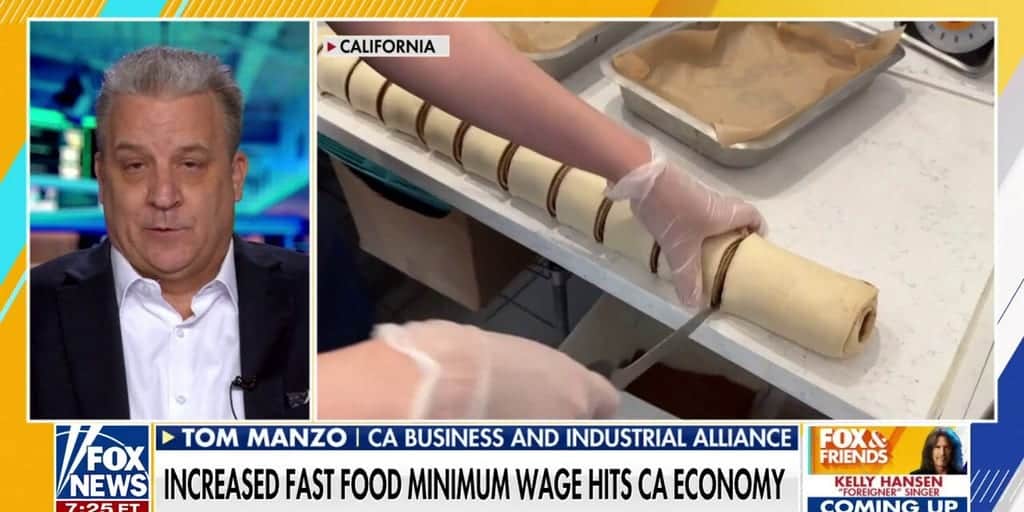
California’s recent increases to the minimum wage are forcing some quick-service restaurants to close or scale back operations, a shift that is reshaping local lunch lines and raising questions about small-business survival across the state. Operators and industry observers say rising labor and supply costs have tightened margins to the point where shuttering a location can be the only viable option.
Why some outlets are shutting their doors
Many franchisees and independent operators point to a combination of higher payroll expenses, rising food and energy costs, and fixed franchise fees that together squeeze profit margins. For establishments already operating on slim returns, an uptick in labor costs can reduce flexibility to absorb other price spikes or invest in staff training and equipment.
At the same time, businesses that rely heavily on in-person traffic—mall food courts, commuter corridors and entertainment districts—have seen uneven recovery since pandemic-era disruptions, leaving fewer buffers to adjust.
Caramel, butterscotch, toffee: how their differences affect your desserts
McDonald’s rebrands Twitter to honor Bubba Wallace after his first NASCAR Cup win
Immediate effects for workers and customers
Small closures can have outsized local impacts. Customers may face longer waits, altered hours, or fewer neighborhood options. For employees, the consequences vary: while some workers may be rehired at nearby locations, others risk losing jobs or hours.
- Service changes: Reduced opening hours, menu cuts and limited seating are common short-term responses.
- Staffing shifts: Employers report combining shifts or reducing hiring to manage payroll costs.
- Local job churn: Closures can concentrate unemployment in specific neighborhoods, affecting low-income communities disproportionately.
What’s driving owners’ decisions
The calculus behind closing a store isn’t just wage increases. Operators cite multiple pressures that together shape the decision:
• Fixed obligations such as rent and franchisor royalties that don’t scale down when revenue falls.
• Supply-chain and ingredient price volatility that raises the baseline cost of goods sold.
• Competitive pressure from delivery platforms and full-service chains that can offset higher labor costs differently.
| Challenge | Short-term operator response | Possible policy or market response |
|---|---|---|
| Rising payroll | Reduce hours, automate tasks, close underperforming locations | Targeted tax relief, phased rollout of increases |
| Higher food costs | Menu price adjustments, smaller portions, supplier renegotiation | Support for small suppliers, bulk purchasing programs |
| Fixed franchise and rent costs | Renegotiate leases, sell or return locations | Mediation services, landlord incentives |
Policy debate and local responses
State and local officials face competing priorities: protecting worker pay and ensuring neighborhood access to affordable food and jobs. Labor advocates argue that higher wages lift purchasing power and reduce reliance on public assistance, while some business groups emphasize that abrupt cost increases can force closures and job losses.
Municipalities have begun exploring measures to blunt impacts—temporary relief programs for small food businesses, mediation between landlords and tenants, and targeted grants—though such efforts vary widely by city and county.
What this means going forward
For consumers, the changes may mean fewer nearby options and potential price increases. For workers, outcomes will depend heavily on whether displaced staff can find comparable employment locally. For policymakers, the challenge is balancing wage growth with supports that sustain small businesses and the jobs they provide.
Short-term disruptions are likely to persist until operators adjust pricing, productivity or cost structures, or until local programs mitigate the immediate financial strain. Observers say the evolution over the next several months will be a key indicator of how well California’s food-service sector adapts to an environment of higher labor costs.
If you live or work near an affected neighborhood, expect continued local updates from city officials and business associations as they pilot relief and mediation efforts.
Irish whiskey: approachable bottles new drinkers should try today
Fishtown restaurants ranked: must-visit spots locals are raving about










