Show summary Hide summary
As cooks look for dependable, low-cost ingredients that still deliver on flavor, the potato has re-emerged as an essential in home kitchens. Versatile and forgiving, it adapts to fast weeknight meals, leisurely weekend projects, and trends such as air-frying and crisp finishes—making it especially relevant as shoppers balance budgets with taste.
Why the potato matters now
Food inflation and tighter grocery budgets have pushed many households to prioritize ingredients that stretch meals without sacrificing satisfaction. The potato fits that brief: inexpensive, widely available, and nutritionally useful as a source of energy and potassium.
Caramel, butterscotch, toffee: how their differences affect your desserts
McDonald’s rebrands Twitter to honor Bubba Wallace after his first NASCAR Cup win
Beyond economics, culinary interest in texture-driven dishes has raised the profile of techniques that highlight contrast—think fluffy interiors and crunchy exteriors. That’s where methods like roasting, pan-crisping and the increasingly popular technique of smashing come into play.
How to get the most from one simple tuber
Different cooking approaches bring out distinct qualities. Some methods emphasize creaminess; others reward patience with caramelized, crispy edges. Choosing the right potato variety and a matching technique matters more than many home cooks assume.
- Mashing: Best for waxy to all-purpose varieties; use warm milk and butter to avoid gluey results.
- Roasting: High heat plus oil and space on the tray produces golden outside and tender inside.
- Pan-frying: Thin slices or cubes turn crunchy quickly—ideal for adding to bowls or breakfast plates.
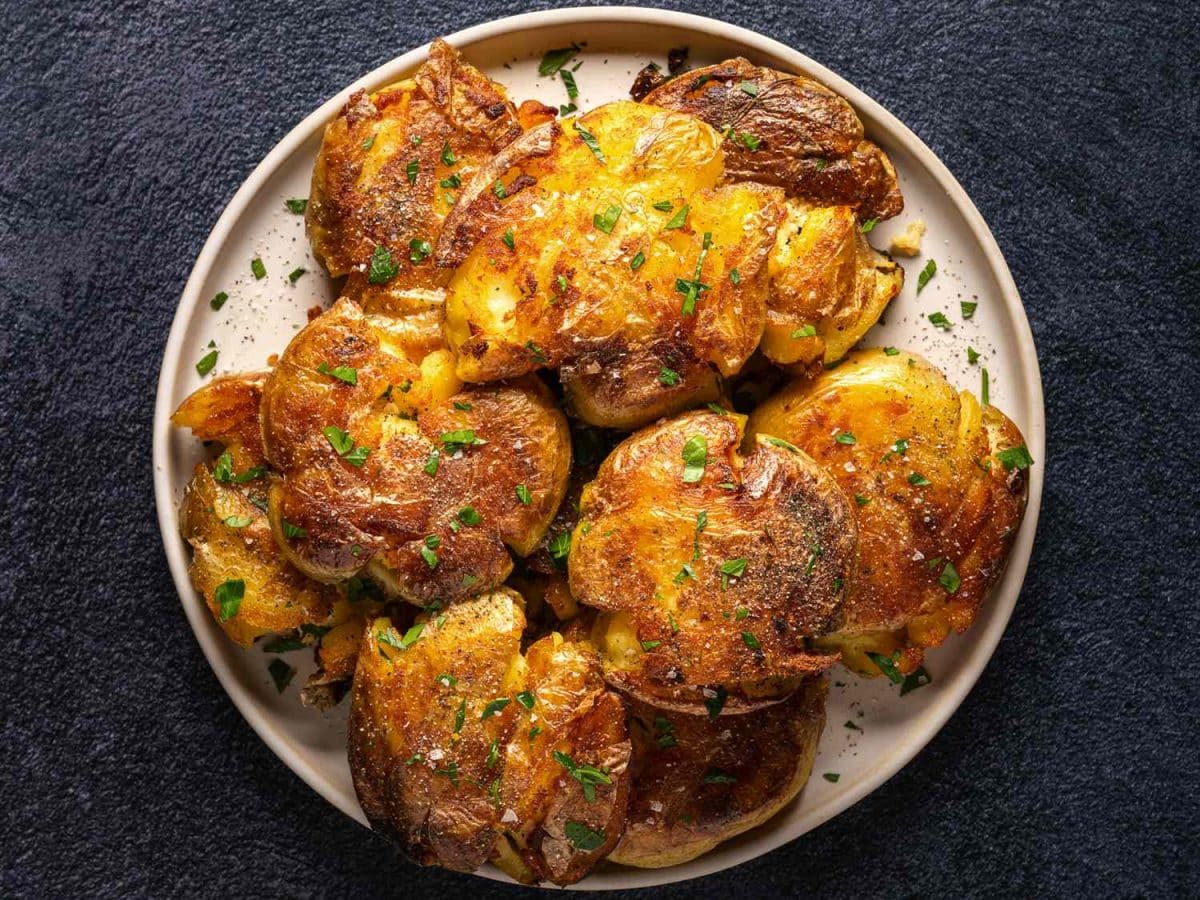
- Smashed potatoes: Parboil, gently press, then roast or air-fry for maximum crunch with a soft center.
Quick reference: Method, time and texture
| Method | Approx. time | Typical texture |
|---|---|---|
| Boil + Mash | 20–30 minutes | Silky, smooth |
| Roast (425°F / 220°C) | 30–45 minutes | Crispy edges, tender center |
| Pan-fry | 10–20 minutes | Crunchy exterior, slightly chewy |
| Smashed (parboil then roast/air-fry) | 25–35 minutes | Crunch outside, pillowy inside |
Small technique changes have outsized effects: drying cut potatoes before roasting prevents steam and encourages browning, while a splash of vinegar in the cooking water can help keep wedges from falling apart when crisping. For mashed potatoes, warm dairy and minimal stirring preserve a light, fluffy finish.
What cooks should try this week
For a fast midweek dinner, roast halved potatoes with rosemary and lemon zest—toss in a pan with olive oil and space them out so air can circulate. If time is tight, parboil small potatoes, press them flat and finish in a hot skillet or an air fryer for a crunchy side in under 30 minutes.
On weekends, experiment with a composed dish: pan-seared fish or roasted mushrooms over a bed of herb-scented mashed potatoes transforms inexpensive components into a satisfying meal that serves guests as easily as family.
Practical tip: buy a mix of potatoes if you can—one bag of starchy spuds for mashing and a waxy variety for salads or roasting. That small investment increases the number of successful dishes you can make without waste.
In short, the potato’s appeal isn’t just nostalgia. It’s a reliable, adaptable ingredient that responds well to modest technique improvements, helping home cooks deliver more flavor and texture while keeping costs in check—an increasingly valuable trait in today’s kitchens.
Irish whiskey: approachable bottles new drinkers should try today
Fishtown restaurants ranked: must-visit spots locals are raving about