The Hot Brown, the open-faced turkey-and-cheese dish long linked with Louisville, traces back to a late-night solution cooked up nearly a century ago for hungry ballroom crowds. Its creation at The Brown Hotel in 1926 helped turn a one-off improvisation into a regional culinary emblem — and the story still shapes how the city talks about food and hospitality today.
On a busy night in 1926, The Brown Hotel hosted a popular dinner dance that routinely drew thousands of patrons. Faced with the same rotation of ham-and-eggs for guests who arrived after hours, a hotel cook decided to experiment with what was on hand. That kitchen invention became what is now known across Kentucky as the Hot Brown.
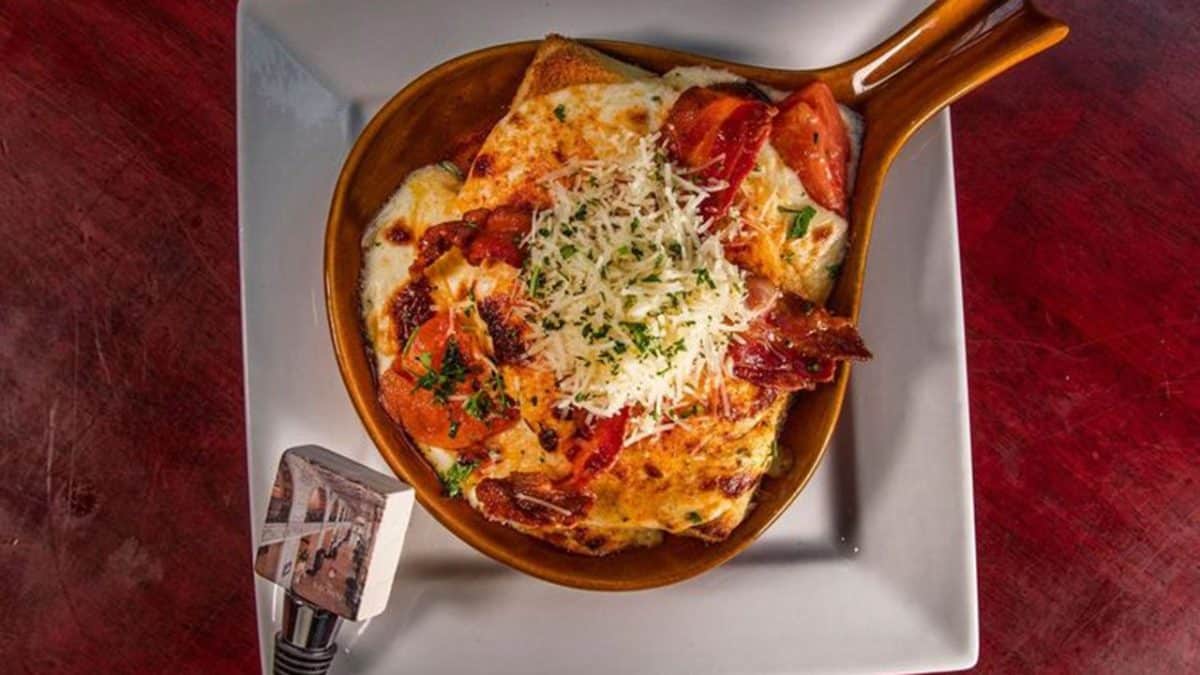
The basic composition is straightforward: a thick slice of bread topped with roasted turkey, tomato, and a cheese-thickened béchamel — known in French cooking as Mornay sauce — then finished under a broiler until bubbling and browned. According to hotel staff, the kitchen uses Pecorino Romano in the sauce and adds a hint of nutmeg for balance.
Caramel, butterscotch, toffee: how their differences affect your desserts
McDonald’s rebrands Twitter to honor Bubba Wallace after his first NASCAR Cup win
Over time, a small visual tweak — two bacon strips crossed on top — was added to break up the monochrome appearance and stuck as part of the classic presentation. The Brown Hotel still serves its version largely as it was conceived, with house-roasted turkey carved to order and the sauce made by just one or two designated cooks to ensure consistency.
- Year created: 1926
- Where: The Brown Hotel, Louisville, Kentucky
- Key ingredients: toasted bread, hand-carved turkey, tomato, Mornay sauce (béchamel + Pecorino Romano + nutmeg), broiled cheese, bacon garnish
- Portion note: The hotel’s standard includes roughly seven ounces of carved turkey
- How to eat: Traditionally served open-faced and eaten with utensils — not by hand
The dish’s endurance owes as much to local identity as to flavor. Hotel officials point to Louisville’s focus on craftsmanship — from distilleries to restaurants — as part of why the Hot Brown remains tied to the city’s culinary narrative. For many visitors, trying the original at The Brown Hotel is as much a cultural stop as a meal.
Not everyone is a devotee. Critics online have questioned the open-faced format and the resulting texture of the bread beneath the sauce. Still, the Hot Brown persists in menus across the region and in cookbook adaptations, signaling its move from late-night improvisation to established tradition.
For chefs and restaurateurs, the Hot Brown offers a lesson in how simple adjustments — a different sauce, a change in presentation, an added garnish — can create a lasting signature. For Louisville, it remains a culinary touchstone that helps promote tourism and local pride as it approaches its 100th anniversary.
Where to try it: The original at The Brown Hotel in downtown Louisville remains the benchmark, but many Kentucky restaurants and diners serve their own takes, from faithful recreations to variant versions that add regional ingredients.
Whether you approach it as a comfort dish, a piece of local history, or a menu experiment, the Hot Brown illustrates how a single kitchen choice can become a lasting part of a city’s food story.
Irish whiskey: approachable bottles new drinkers should try today
Fishtown restaurants ranked: must-visit spots locals are raving about