
Show summary Hide summary
This summer’s grill season puts a spotlight on regional takes on an American classic: the hot dog. From a vivid New England frankfurter to bacon-wrapped street food from the Southwest, these five local specialties show how place, history and immigrant cooks shape what ends up on our buns.
Below are five distinctive regional hot dogs, what makes each one different and where to look for the most authentic bite.
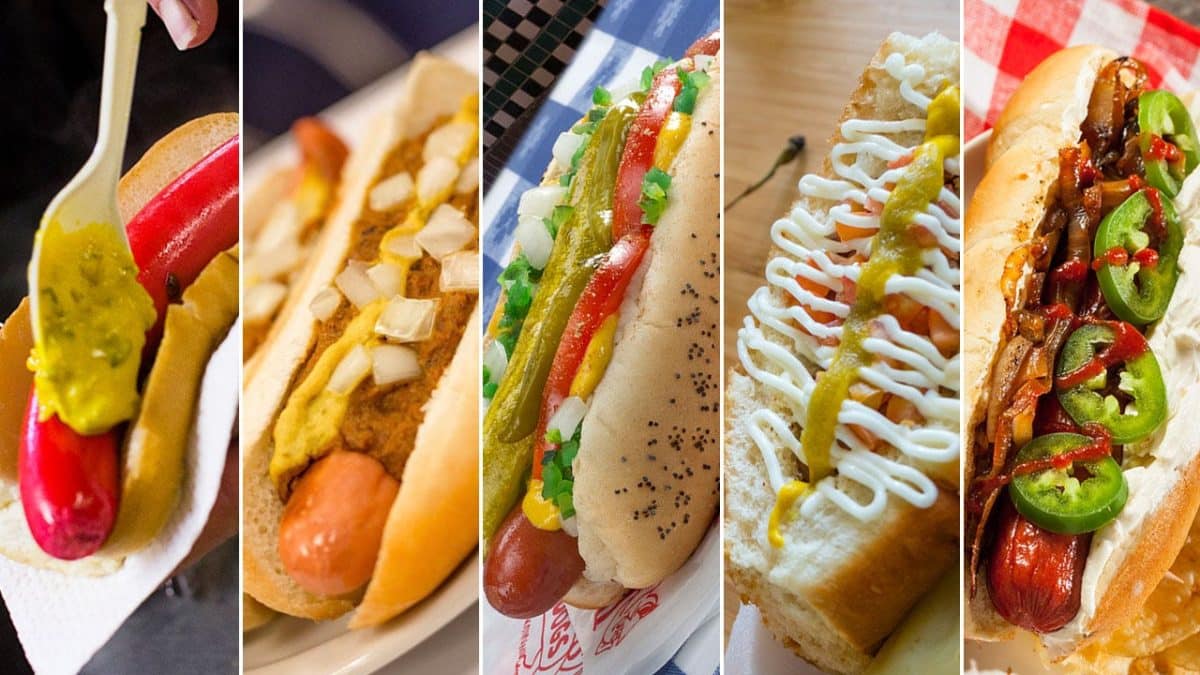
- Red snapper (Maine) — Bright-red casing, split-top bun, longtime New England favorite.
- Coney dog (Detroit, Michigan) — Steamed bun topped with a distinctive chili, mustard and onion.
- Chicago-style dog — A loaded dog with specific garnishes; ketchup typically omitted.
- Sonoran dog (Arizona) — Bacon-wrapped frankfurter on a bolillo roll with creamy and spicy toppings.
- Seattle dog — Notable for a smear of cream cheese paired with typical condiments; born at street carts.
Caramel, butterscotch, toffee: how their differences affect your desserts
McDonald’s rebrands Twitter to honor Bubba Wallace after his first NASCAR Cup win
Red snapper — Maine
Along the coast of Maine, a conspicuously red frankfurter is an enduring summer staple. Locals prize these for their firm casing and the crisp bite it delivers; they are traditionally served in the region’s characteristic split-top bun.
The Portland Sea Dogs minor-league baseball club has periodically leaned into that local identity, temporarily adopting the red-snapper nickname as a nod to the state’s culinary icon. Fans often pair the hot dog with other Maine regional treats, highlighting how food can be a marker of place as much as taste.
Coney dog — Detroit
The Coney dog is a Detroit institution built around a specific combination: a steamed frankfurter smothered in a particular style of chili, then finished with mustard and chopped onion. Family-run stands in the area trace their recipes back generations.
American Coney Island, a Detroit business with more than a century of history, still ships product outside Michigan and emphasizes that the texture — the snap of the casing — is central to the experience. The dish’s name nods to an earlier stop on an immigrant’s route, but the version Detroiters claim as their own has become a local emblem.
Chicago-style dog — Illinois
The so-called Chicago dog is defined less by the sausage and more by its precise toppings. A typical assembly includes yellow mustard, chopped onion, a bright-green relish, tomato slices, a dill spear, sport peppers and a dusting of celery salt, all served on a steamed poppy-seed bun.
Chains that began in the Chicago area have helped spread this recipe beyond the city, but purists stress that certain condiments — most notably ketchup — are not part of the canonical version. For many residents, the combination of textures and contrasts is what makes the style unmistakable.
Sonoran dog — Arizona
Originating across the border in Sonora, Mexico, the Sonoran dog arrived in Arizona decades ago and rapidly became a street-cart favorite. Its defining detail is a bacon-wrapped hot dog tucked into a soft Mexican roll called a bolillo.
From there it’s layered with a mix of toppings that can include crema, shredded cheese, beans, pico-style salsa, jalapeños and diced tomatoes — in short, a generous, customizable assembly. Culinary observers and longtime vendors say the most memorable Sonoran dogs are still sold from roadside stands and carts, where the vendors’ attention to one signature item often yields the best results.
Seattle dog — Washington
In Seattle, the surprising star is cream cheese. The so-called Seattle dog pairs a grilled frankfurter with a smear of cream cheese and other standard toppings, a combination that began in the 1980s when a vendor who sold bagel sticks started stuffing hot dogs into his product at the request of local students.
That improvised pairing became a city staple, especially at late-night carts and neighborhood stands. Even as the original vendor moved on, the cream-cheese–topped dog has remained a popular local specialty.
Why this matters now: with travel and food tourism rebounding and warmer months encouraging outdoor eating, regional comfort foods like these are both a culinary experience and a cultural touchpoint. Sampling a local hot dog offers an inexpensive, immediate way to connect with a city’s food history and the people who helped shape it.
Where to try them
- Red snapper: Summer fairs, local ballparks and family-owned stands across Maine.
- Coney dog: Historic shops and longstanding diners in Detroit; some ship nationally.
- Chicago-style: Street vendors in Chicago and established fast-casual chains that replicate the city recipe.
- Sonoran dog: Street carts and neighborhood stands in southern Arizona for the most authentic versions.
- Seattle dog: Late-night carts and urban food vendors across Seattle.
Whether you prefer a simple frankfurter or an elaborately dressed creation, these regional variations demonstrate how the humble hot dog adapts to local palates, immigrant influences and the culture of street food. If you’re planning a summer road trip or just tending the backyard grill, consider trying one of these styles to taste a piece of local history.
Irish whiskey: approachable bottles new drinkers should try today
Fishtown restaurants ranked: must-visit spots locals are raving about










