Show summary Hide summary
Two thin slices from the same cut of pork can steer a dish in very different directions. As more home cooks experiment with global pantry staples, the choice between pancetta and bacon matters — not just for flavor but for technique, timing, and how a recipe finishes on the plate.
Both come from pork belly and are cured, but their treatments and culinary uses diverge in ways that affect everything from salt level to how they brown in a hot pan. Below is a practical guide for recognizing the differences, choosing the right one for your dish, and simple cooking rules to get the outcome you want.
How they’re made — quick read
Caramel, butterscotch, toffee: how their differences affect your desserts
McDonald’s rebrands Twitter to honor Bubba Wallace after his first NASCAR Cup win
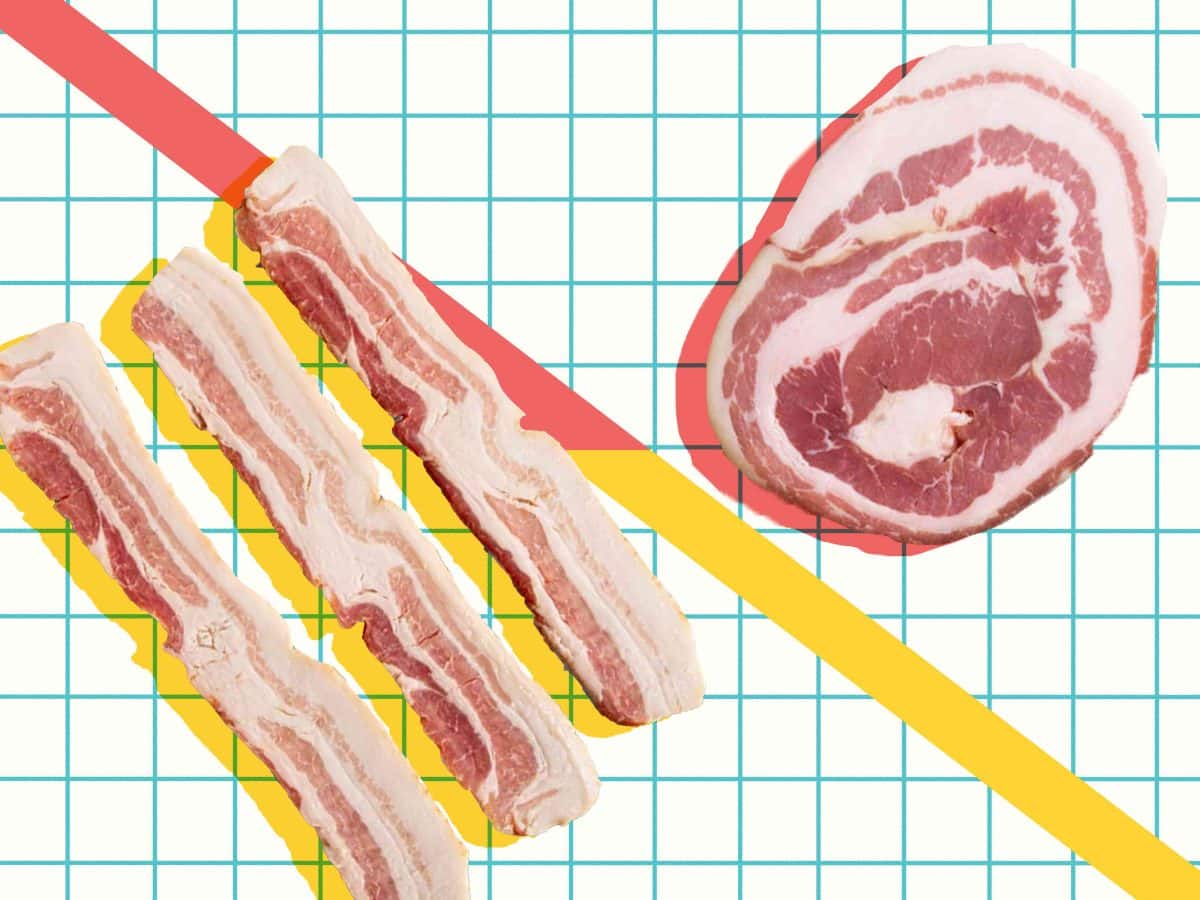
Pancetta is an Italian-style cured pork belly usually seasoned with salt, pepper, and aromatics, then cured for several weeks. It’s typically not smoked, so its flavor stays rounded, fatty, and subtly spiced. You’ll find it sold flat (in slabs) or rolled (arrotolata), which affects slicing and presentation.
Bacon refers to a cured pork belly that is commonly smoked after curing. The smoking step — commonly over hickory, apple, or mesquite — gives bacon its characteristic smoky aroma and a sharper, more assertive flavor profile. In many supermarkets, bacon is sold pre-sliced and ready to crisp.
Side‑by‑side: key differences
| Attribute | Pancetta | Bacon |
|---|---|---|
| Origin | Italy | Britain/North America (widespread) |
| Curing | Dry‑cured with salt, herbs, spices | Dry or wet‑cured, usually smoked |
| Flavor | Rich, porky, savory, lightly spiced | Smoky, bold, often saltier |
| Common form | Slab or roll | Pre‑sliced strips |
| Typical uses | Pasta bases, stews, soups, charcuterie | Breakfast, sandwiches, salads, smoky accents |
Cooking principles: when to use each
Choose pancetta when you want concentrated pork richness without the smoke. It’s ideal for dishes where fat must melt into a sauce — think carbonara, soffritto for risotto, or braised greens. Because it’s not smoked, it integrates into the dish without competing for attention.
Bacon is your pick when you want an immediate smoky note and crispy texture: breakfast plates, BLTs, or sprinkled over baked dishes. The smoke can dominate subtle sauces, so use it where that character is desirable.
Practical tips for home cooks
- Slicing and prep: Chill pancetta before slicing thinly; if it’s rolled, cut across the roll for coins. For bacon, leave slices intact or chop after cooking depending on application.
- Rendering fat: Start in a cold pan and heat slowly so the fat renders evenly. This applies to both products, though pancetta may take longer to loosen its fat.
- Timing: Add pancetta early when building a sauce so its fat becomes part of the base. Add bacon later if you want a crisp texture retained.
- Substitutions: Swap pancetta for bacon when you can tolerate a smoky outcome, but reduce added smoke elsewhere. To mimic bacon from pancetta, a pinch of smoked paprika or a few drops of liquid smoke will bridge the gap.
- Salt control: Both are cured and salty; taste your dish before adding extra salt.
Here are two short cooking approaches most readers will use:
For silky, integrated flavor: Dice pancetta and render slowly until translucent; add onions and garlic to the rendered fat to form a flavor base. Pancetta’s un-smoked profile is ideal when the pork flavor should be present but not loud.
For texture and punch: Fry bacon over medium-high heat until edges are crisp, then drain on paper towel. Reserve some fat to sauté vegetables or finish a dish for a smoky lift. Toss the crisp pieces into salads or soups just before serving for contrast.
Storage and buying advice
Buy pancetta from a deli counter for fresher slicing, or choose vacuum‑packed slabs for longer storage. Keep both refrigerated and use within one to two weeks after opening; freeze for longer storage, sliced or whole. If freezing sliced bacon, separate layers with parchment to make individual portions easier to remove.
For best value: consider whether your recipe needs slices (buy bacon) or a slab for slicing to order (buy pancetta). Local butchers and Italian specialty shops often have higher-quality or artisanal options that bring more nuanced aromatics and less commercial saltiness.
Why this matters now
As seasonal entertaining and global recipes circulate online, knowing the difference saves time and preserves intended flavor. A swapped ingredient can transform a familiar pasta into an entirely different experience — sometimes for the better, sometimes not. Understanding the culinary role of each ensures dishes deliver the aroma, texture, and balance readers expect.
Whether you reach for pancetta or bacon, cooking with awareness of their differences is the simplest way to make a recipe sing rather than surprise. Small choices in curing and timing lead to very different plates.
Irish whiskey: approachable bottles new drinkers should try today
Fishtown restaurants ranked: must-visit spots locals are raving about