Show summary Hide summary
A handful of restaurants in California are asking diners to do what most go out to avoid: cook their own steak. Once a midcentury novelty, the communal “grill‑your‑own” steakhouse is surviving and, in a few cases, being revived — offering cheaper cuts, built‑in entertainment and a retro social ritual that feels distinctly of the moment.
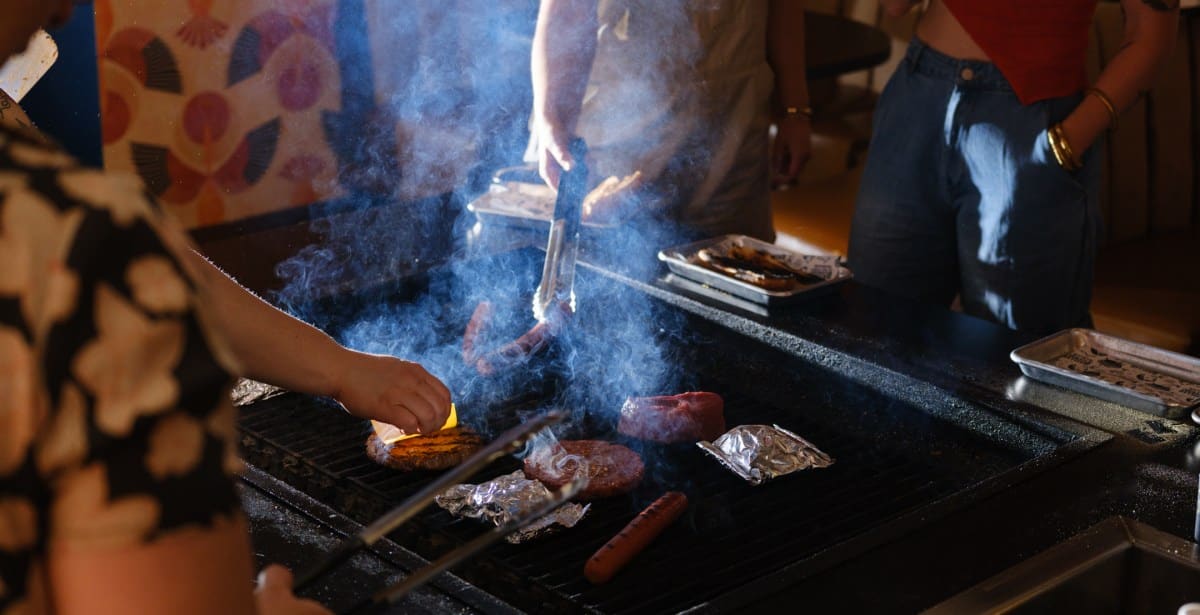
On the surface the concept is simple: raw steaks arrive at the table and guests take them to a centrally located cooking station to sear them to taste. The menu tends toward classic American steakhouse cuts — think sirloin, New York strip and rib‑eye — accompanied by staples such as baked potato, salad and house garlic bread. But the format carries quirks and consequences that make it more than a novelty.
From midcentury kitsch to modern revival
These restaurants trace back to the 1950s and 1960s, when a handful of U.S. establishments installed grills in dining rooms so patrons could prepare their own meat. Newspaper ads from the 1970s promoted the idea as a selling point, and diners flocked to the theatrical, hands‑on experience. Not everyone warmed to it: some reviewers from the 1980s objected to the idea of paying for a night out that involved manning a grill and smelling of smoke.
Caramel, butterscotch, toffee: how their differences affect your desserts
McDonald’s rebrands Twitter to honor Bubba Wallace after his first NASCAR Cup win
Today, a small circuit of surviving spots — and a few newcomers — are reframing the model. Instead of merely saving labor, these operators lean into the social and nostalgic angles, positioning the meal as part communal kitchen, part casual show.
A modern example: Sacramento’s revival
The Butterscotch Den in Sacramento reopened in 2022 as a conscious throwback, reviving the grill‑your‑own format with a 1970s design, a funk and soul playlist, and a menu that mixes steakhouse cuts with burgers, sausages and vegetarian options. The owners butcher meat in house, keep some cuts unfrozen, and supply each table with a set of cooking tools and an assortment of seasonings — from simple salt and pepper to a house Montreal blend and a vegan alternative.
Co‑owner Trevor Easter says the appeal is partly economic. With diners doing the grilling, the restaurant can price prime cuts more aggressively than full‑service steakhouses while still providing table service, drinks and cleanup. “We’re doing the dishes and making the drinks,” he notes, “and customers typically pay less than they would elsewhere.”
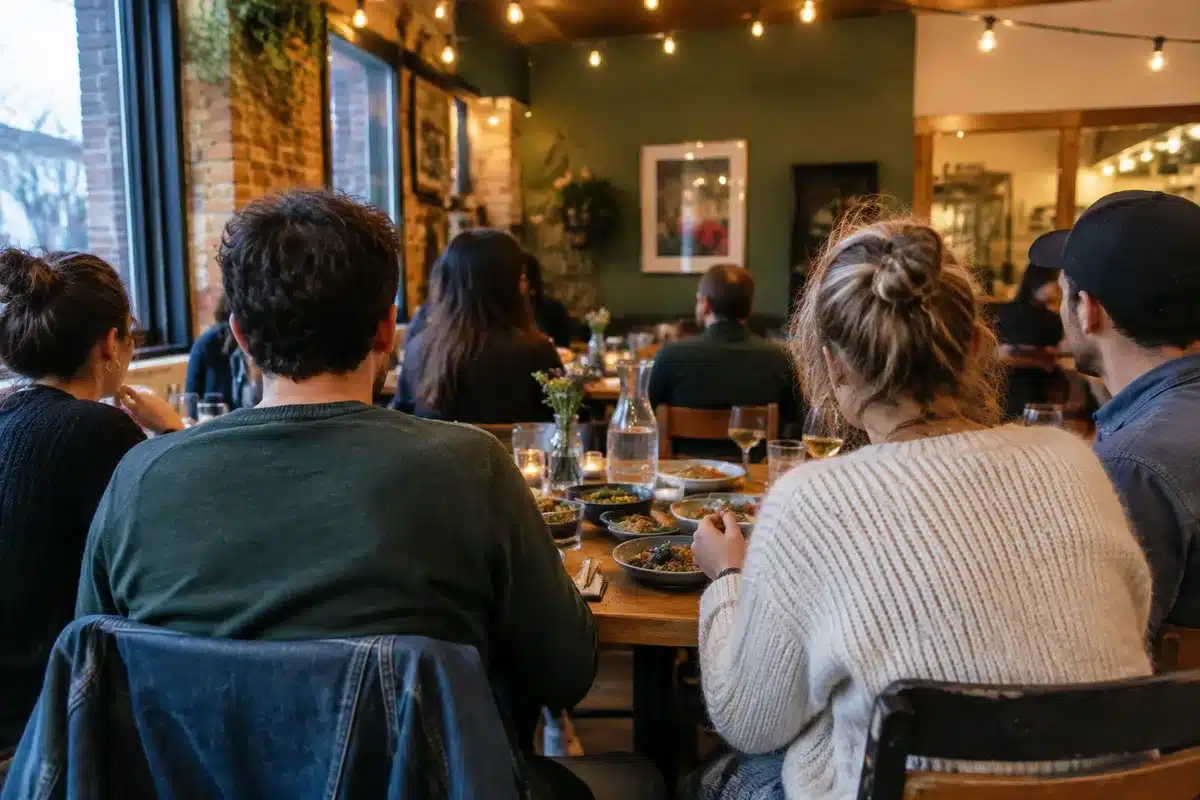
That practical benefit sits alongside an experiential one. The setup encourages conversation, shared tips and a casual, hands‑on energy: the sort of interaction restaurateurs now call “eatertainment.” For some patrons the appeal is nostalgic; for others — younger diners and families — it’s simply a different kind of night out.
Why it matters now: in an era when restaurants compete on experience as much as on food, cook‑your‑own steakhouses offer affordable cuts paired with theatre and social connection. For diners watching budgets or chasing memorable, interactive evenings, the format hits both boxes.
What to expect and a few tips
Visiting a grill‑your‑own spot is straightforward but distinct from a typical steakhouse. Expect to:
- Receive raw, portioned proteins and a clean set of grilling utensils at your table.
- Find a communal or centrally placed grill stocked with condiments, oil and seasonings.
- Pay lower menu prices on some cuts compared with full‑service steakhouses, because labor for individual cooking is reduced.
- Have staff handle cleanup and beverage service, even if you’re doing the cooking.
First‑timer tip: ask the staff for grilling guidance — most places are happy to help with timing and technique — and don’t be shy about letting your group make a mess. That’s part of the point.
Where to try it in California
- The Butterscotch Den — 3406 Broadway, Sacramento. A 2022 reopening that reimagines the midcentury supper‑club grill with in‑house butchery, fondue for two and a playlist to match the retro decor.
- Turf Supper Club — 1116 25th Street, San Diego. One of the longest‑running examples, this club installed a dining‑room grill early in its history and retains a classic, no‑frills vibe with reasonably priced proteins and kabobs.
- Palo Cedro Inn — 9191 Deschutes Road, Palo Cedro. Opened in the early 1970s; offers indoor and outdoor grilling and a mixed menu that includes steak cuts, burgers and seafood.
- The Venice Room — 2428 S. Garfield Ave., Monterey Park. A longstanding spot known for affordable lunch specials and an active, community‑oriented atmosphere, including karaoke nights.
These places vary in tone — from neighborhood dives to deliberately nostalgic venues — but each preserves the central idea: dining that invites participation.
Limitations: the format won’t suit everyone. Diners who want quiet, hands‑off service or who dislike smoke and crowds may prefer a conventional steakhouse. Operators also accept that grill‑your‑own is a niche — more entertainment than high‑margin business in many cases.
Still, as restaurants seek to stand out and patrons trade routine meals for memorable evenings, the communal grill is proving resilient. Whether you go for cost savings, the social atmosphere, or the novelty of cooking at the table, these spots offer a distinct alternative to the standard night out.
Irish whiskey: approachable bottles new drinkers should try today
Fishtown restaurants ranked: must-visit spots locals are raving about