Show summary Hide summary
If you’re planning a steak dinner in Philadelphia, the city’s options now extend well beyond the white-jacket dining rooms of decades past. From modern grillrooms and intimate neighborhood joints to steak-and-seafood counters, Philadelphia’s steak scene offers varied experiences that matter for anyone choosing where to spend an evening or host visitors.
What to expect tonight: menus are shaped by premium cuts, evolving supply costs and diners who want either a classic, formal night out or a more casual, ingredient-forward meal. That makes knowing what you value—ambience, price, wine list or a standout cut—more useful than relying on a single “best” label.
The practical stakes are simple. A restaurant’s menu style, aging practices and reservation policy will affect your bill and the time you spend there. For special occasions you may prioritize a show-stopping bone-in ribeye; for weekday dinners a well-seasoned flat-iron or a prix fixe can deliver more value.
Caramel, butterscotch, toffee: how their differences affect your desserts
McDonald’s rebrands Twitter to honor Bubba Wallace after his first NASCAR Cup win
How to pick the right steakhouse
Not all steakhouses aim for the same crowd. Ask these questions before you book: Are you after a formal multi-course meal? Do you want an accompanying seafood selection? Is your group looking for a lively bar scene or a quieter dining room?
- Cut and aging: Look for menus that list aging—dry-aged steaks offer nuttier, concentrated flavor; wet-aged tends to be juicier and less expensive.
- Source transparency: Restaurants that name farms or breeds (e.g., Angus, Wagyu) help you understand why prices vary.
- Value options: Check for smaller portion sizes, prix fixe menus, or midweek specials if cost matters.
- Book ahead: Popular dining rooms and weekend dinner services often fill quickly—online reservations are recommended.
- Wine and sides: A thoughtful wine list and distinctive sides (creamed spinach, smoked mushrooms, pommes frites) can elevate an otherwise ordinary steak.
Balance matters. A high price tag doesn’t always guarantee a better meal; technique, seasoning and how the kitchen treats the steak matter just as much as the cut on paper.
What to order (and why)
When you’re uncertain, these choices reduce risk and highlight the steakhouse’s strengths.
- Bone-in ribeye — a safe pick for flavor and texture if the kitchen knows how to render fat.
- New York strip — leaner, with firm chew and pronounced beef character.
- Filet mignon — tender and refined; choose this if texture is your priority over bold beefiness.
- House-made sauces and compound butters can reveal a kitchen’s attention to seasoning; ask for one if you want to compare.
Don’t overlook starters and desserts. A shared appetizer and a confident final course can make a steak dinner feel like a full event rather than just a single course on a plate.
Types of steakhouse experiences to consider
Philadelphia’s dining landscape accommodates several distinct formats. Picking the right one changes the tone of the night.
Classic fine-dining steakhouses: Formal service, linen, extensive wine program. Best for celebrations and business dinners where ambiance counts.
Modern grillrooms: Sleeker interiors, wood-fired grills and a focus on technique and seasonal sides. These venues often balance traditional steakhouse chops with contemporary small plates.
Neighborhood steakhouses and taverns: Less formal, more approachable prices, often with a strong local following. Good for regular dinners or groups who prefer a relaxed vibe.
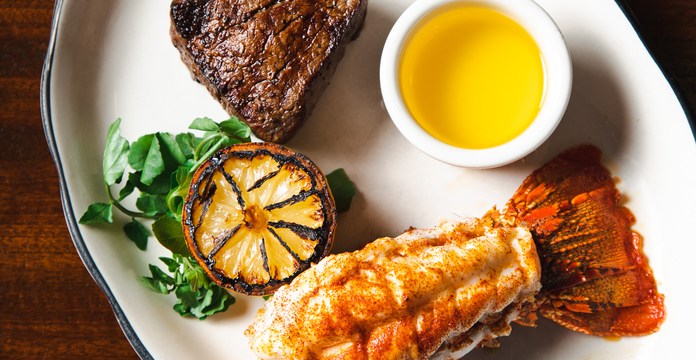
Steak-and-seafood counters: Pair top steaks with oysters or whole fish; these are ideal if your party has mixed preferences or if you want surf-and-turf done well.
- Classic rooms tend to run higher on price but deliver a predictable experience.
- Modern grills can surprise with creative sides and wine pairings.
- Neighborhood spots offer convenience and a lower-risk bill.
For visitors, proximity to Center City attractions can matter; for locals, parking and late-night options might be decisive. Think about logistics as part of the choice.
Simple etiquette and budget tips
Portion control is a real way to manage cost: many steakhouses list large cuts meant for sharing. Start with a lighter appetizer or swap a heavier side for a vegetable to keep the bill sensible.
Tip: if you’re ordering steak to medium or medium-rare, trust the kitchen. Over-checking a steak often leads to a colder, drier result.
Pay attention to corkage and gratuity policies when reserving for a large party; these extra fees can quickly change the per-person price.
Whether you’re celebrating a milestone or just craving a well-seared steak, Philadelphia offers options across budgets and styles. Focus on the cut, the cooking method and the kind of evening you want, and you’ll find a place that fits the occasion.
Irish whiskey: approachable bottles new drinkers should try today
Fishtown restaurants ranked: must-visit spots locals are raving about