
Show summary Hide summary
Portland’s Filipino food scene has evolved from tucked-away family kitchens into a visible part of the city’s culinary identity, and the appetite for authentic, reimagined Filipino flavors is spreading beyond Oregon. For readers curious about where to find the best plates—and why it matters now—this guide highlights the styles, neighborhoods, and dishes worth seeking in Portland and other U.S. cities.
Why Filipino food is gaining attention
Filipino cuisine blends centuries of regional cooking with Spanish, Chinese and American influences, resulting in bold, layered flavors that pair naturally with Portland’s love of seasonal ingredients. As restaurateurs experiment and younger generations reclaim recipes, the cuisine is moving from niche to mainstream—bringing new dining formats from intimate cafés to food-cart courts.
That shift matters because it changes who has access to traditional dishes and how those dishes evolve. New formats make classics like adobo and sinigang easier to discover, while preserving home-cooked techniques remains a cultural priority for many families and chefs.
Caramel, butterscotch, toffee: how their differences affect your desserts
McDonald’s rebrands Twitter to honor Bubba Wallace after his first NASCAR Cup win
What to look for on the menu
Filipino menus can vary widely, but several elements are common and worth trying:
- Adobo — a savory, vinegar-forward stew of meat or tofu; a useful baseline for quality.
- Sinigang — a tart, soup-based dish that showcases bright, seasonal produce.
- Lumpia and other handhelds — great for food-cart stops and casual sharing.
- Halo-halo — a layered dessert of shaved ice and sweet toppings, revealing regional sweetness and texture play.
Where to find notable Filipino offerings: Portland and beyond
The table below highlights the types of venues and signature dishes to seek in several cities—use it to plan a meal or a food-focused trip.
| City / Region | Where to look | Signature dish to try | Best for |
|---|---|---|---|
| Portland | Neighborhood cafés, family-run diners, food-cart pods | Adobo or modern bistro interpretations | Casual meals, tasting menus that highlight local produce |
| Seattle | Neighborhood markets and Filipino bakeries | Hearty stews and bakery snacks | Takeaway and market-style dining |
| San Francisco Bay Area | Contemporary Filipino restaurants and pop-ups | Fusion plates combining Filipino techniques with local seafood | Innovative tasting menus |
| Los Angeles | Long-established enclaves and late-night eateries | Street-style skewers and palabok | Large-group dining, nightlife fuel |
| New York | Chef-driven restaurants and weekly pop-ups | Reimagined classics and seasonal tasting courses | Fine dining and culinary experimentation |
Portland tips: how to make the most of your visit
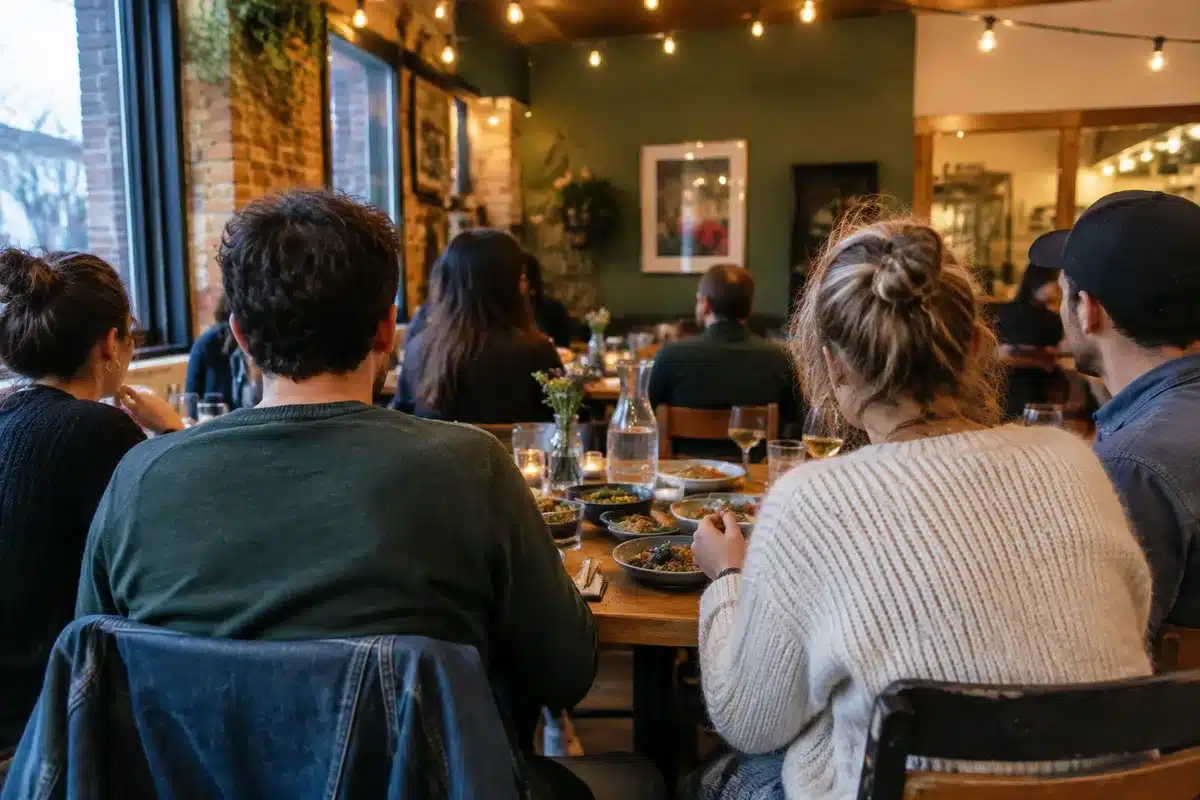
Portland’s scene is diverse—expect everything from sticky-sweet grill flavors to clean, vegetable-forward bowls. Neighborhoods in southeast and inner eastside are especially active, and food-cart courts remain a practical way to sample several items without committing to a full entrée.
- Ask servers about house-made condiments; a simple vinegar or pickled relish can change a dish.
- Share plates to try more textures and flavors—Filipino portions are often family-style.
- Look for weekend pop-ups and market appearances to find smaller, experimental concepts.
- If you want the most authentic experience, seek out family-operated spots where recipes are passed down generations.
Why supporting these restaurants matters
Small Filipino restaurants often operate on thin margins, and visibility in local press or on dining apps can be decisive. Choosing to dine at or recommend these spots helps sustain cultural practices and gives chefs the freedom to innovate responsibly.
For diners, that means a wider, richer food landscape. For communities, it preserves culinary knowledge and creates economic opportunities for immigrant entrepreneurs.
Whether you’re hunting for the best lumpia in a food-cart pod, a modern take on halo-halo, or a comforting bowl of sinigang, Portland offers accessible entry points—and other cities are expanding their Filipino offerings too. Tasting across venues reveals both the depth of traditional recipes and the creative directions chefs are taking them in, making now a good time to explore this evolving cuisine.
Irish whiskey: approachable bottles new drinkers should try today
Fishtown restaurants ranked: must-visit spots locals are raving about