Show summary Hide summary
When Bad Bunny closed out the Super Bowl halftime show with a sequence celebrating Latin American street life, a Los Angeles taquero stood at his cart on one of the world’s biggest stages — a rare crossover moment that underscored how immigrant-run small businesses shape American culture. For Victor Villa, owner of Villa’s Tacos, the cameo was less about celebrity and more about visibility: a public recognition of food, family and the immigrant stories behind them.
From grandma’s yard to a global audience
Villa’s path to the halftime stage began in Highland Park, where he launched a makeshift taco stall in 2018 from his grandmother’s front yard. He told TODAY.com that the early days were built on “a grill, a canopy and a lot of hope,” and that the business expanded into brick-and-mortar locations within five years.
Caramel, butterscotch, toffee: how their differences affect your desserts
McDonald’s rebrands Twitter to honor Bubba Wallace after his first NASCAR Cup win
Today Villa’s Tacos operates multiple sites across Los Angeles and has earned local and national attention, including wins in L.A. Taco’s Taco Madness and consecutive Michelin Bib Gourmand nods for dishes such as the now-famous queso taco.
The moment on the stage
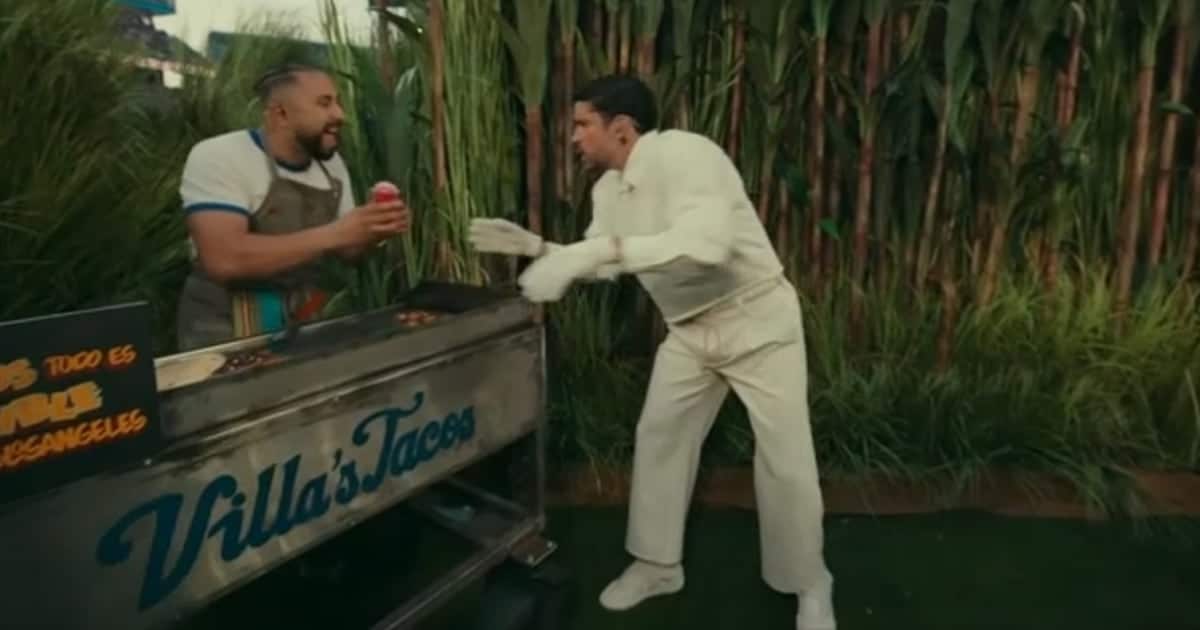
On Feb. 8, during a halftime medley performed primarily in Spanish, Benito Antonio Martínez Ocasio — known professionally as Bad Bunny — staged a sequence that moved through Puerto Rican sugarcane fields, street-side vendors and neighborhood scenes. The artist briefly interacted with Villa, who appears behind a taco cart and receives a piragua, a Puerto Rican shaved-ice treat.
The exchange was short but symbolic: two culinary traditions intersecting in a live broadcast watched by millions. For Villa, the appearance was a nod to the shared stories and labor of immigrant communities across Latin America.
- Who: Victor Villa, founder of Villa’s Tacos, a Los Angeles small business.
- What: A cameo in Bad Bunny’s Super Bowl halftime performance.
- Why it matters: National visibility for immigrant entrepreneurs and cultural representation on a major platform.
- Background: Business started in 2018 at his grandmother’s home; now multiple locations and award recognition.
Why this moment resonates
Villa has framed the appearance as a tribute to his family’s journey. In social posts after the show he emphasized that his first taco would not have been possible without his parents’ decision to immigrate — and dedicated the moment to “the immigrants who paved the way.”
The halftime production also carried an explicit message: the jumbotron displayed the line, “The only thing more powerful than hate is love,” turning the performance into a statement about unity at a time of heightened national division. Villa described this as consistent with what he saw in rehearsals — an effort by the artist to bring people together and highlight immigrant contributions.
Behind the brief camera cut
Villa said he kept his role secret during rehearsals but used the time on the field to meet other participants whose personal stories were woven into the show. He pointed to performers who were more than their on-screen roles — a piragua vendor who plays pro basketball, a coconut vendor who’s also a dedicated father and B-boy — and said those acquaintances deepened the meaning of the moment.
That human thread extends back to Villa’s earliest lessons in the kitchen. He credits his grandmother with the “secret” to her cooking: the care she put into every meal, a lesson he says applies to life as much as it does to food.
What this could mean for immigrant-run small businesses
The boost from an appearance on a global broadcast can be immediate and measurable: social media attention, surge in customers and media requests — Villa reported thousands of messages and interviews after the show. But the longer-term impact can be subtler, affecting public perception and creating opportunities for cultural entrepreneurs who rarely get center stage.
In practical terms, the visibility may translate into:
- Increased foot traffic and online orders for featured vendors.
- More invitations to collaborate on pop-ups, festivals and media events.
- Heightened public recognition of immigrant labor as central to urban culinary scenes.
For readers in Los Angeles who want to see the food behind the moment, Villa has encouraged visits to his Highland Park location at 5455 N. Figueroa St., where he planned to meet customers following the performance.
Beyond the business metrics, Villa framed the halftime slot as a cultural milestone. He said the spotlight acknowledged a simple truth he learned at home: food carries memory, pride and love — and sharing it can be a powerful way to be seen.
Irish whiskey: approachable bottles new drinkers should try today
Fishtown restaurants ranked: must-visit spots locals are raving about