
Show summary Hide summary
A coordinated nationwide labor action on Friday, January 30, has prompted many Bay Area restaurants, bars and small businesses to close or alter operations in protest of recent Immigration and Customs Enforcement activity. The walkouts come as federal immigration enforcement in several cities — and deaths in ICE custody — have intensified debate over funding for the agency just as Congress faces a key Department of Homeland Security spending deadline.
Why this matters now
The strike is timed to put economic pressure on elected officials during a congressional funding decision, and to show solidarity with communities directly affected by aggressive immigration enforcement. Organizers say the goal is to disrupt business as usual to force policy change; critics warn the tactic strains already fragile small businesses during a slow season for hospitality.
Caramel, butterscotch, toffee: how their differences affect your desserts
McDonald’s rebrands Twitter to honor Bubba Wallace after his first NASCAR Cup win
In recent weeks, federal immigration operations in the Twin Cities and elsewhere have produced violent confrontations between agents, legal observers and demonstrators. Advocacy groups and local officials report a string of deaths connected to immigration enforcement operations across the country, fueling the urgency behind the demonstrations.
What businesses are doing in the Bay Area
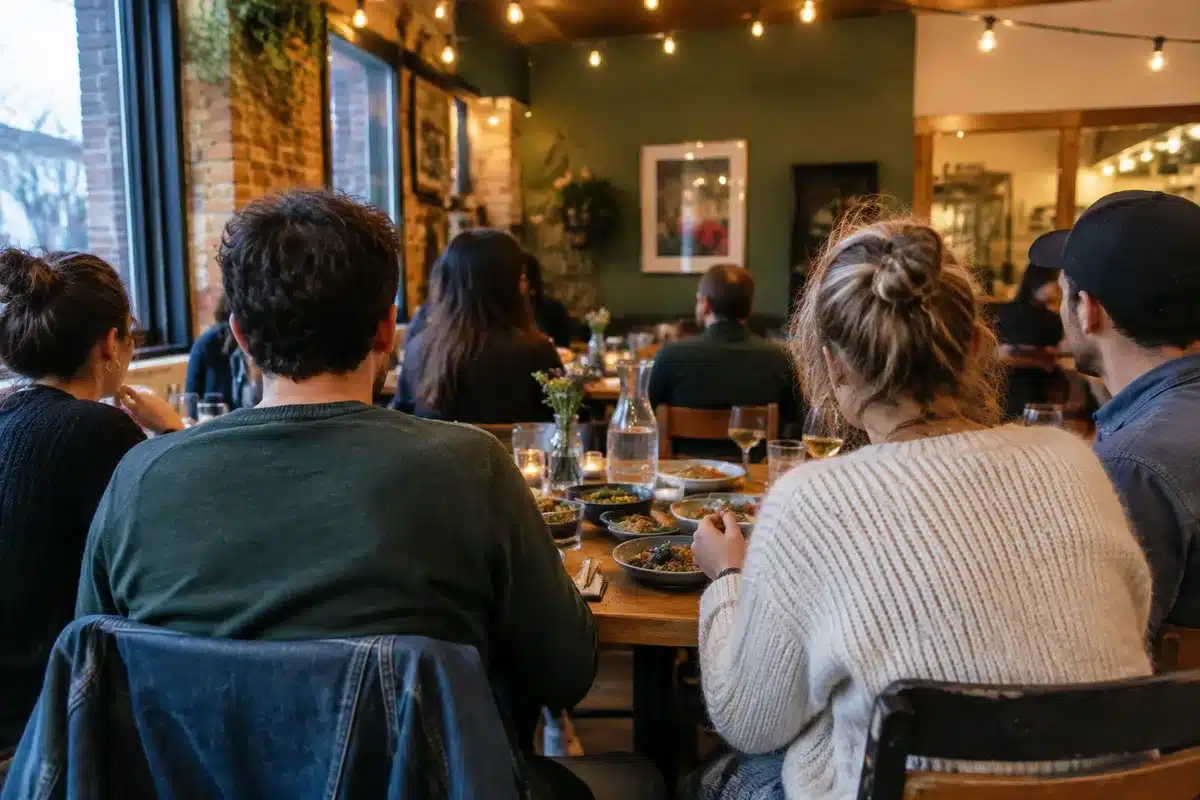
Some hospitality owners made the call to close for a day despite the financial hit: a number of neighborhood cafes, bars and bakeries chose solidarity over sales. Others opted to stay open but redirect proceeds or host community gatherings.
- Full or partial closures: Several small operations planned to shut their doors on Jan. 30 to join the strike.
- Donations and fundraisers: Some shops pledged to donate revenue from specific items sold that day to immigrant-rights organizations.
- Open as safe space: A few venues remained open to offer free coffee, meeting space or resources for organizers and residents.
Owners emphasized that the decisions were often made collectively with staff, weighing payroll and the economic realities of a busy Friday against the moral imperative to act. One North Beach wine bar co-owner said his team checked in daily about reports from the raids and wanted to ensure communities outside the Bay Area did not feel isolated — a motivation behind their choice to close for the day.
| Business | Action | Notes |
|---|---|---|
| Bombera | Closed for the strike | Owner joined staff decision to close in solidarity |
| Arizmendi | Closed for the strike | Part of a broader hospitality cohort participating |
| Calaca Coffee | Donating proceeds from select items | Using sales to support local immigrant-defense groups |
| Reem’s (bakery/restaurant) | Open; suspending wholesale deliveries | Offering free coffee mid-day and space for gatherings |
Broader context and stakes
Immigration and Border Patrol operations are not new, but critics argue that enforcement action has intensified and expanded in recent years, and that oversight has lagged. Advocates point to recent fatalities in custody as evidence of an emerging crisis that requires immediate policy attention.
Reported deaths tied to immigration enforcement in the past months include incidents in Minneapolis-St. Paul, Chicago, Texas and Los Angeles. Those fatalities have become a focal point for organizers calling for reduced funding for ICE and for changes in how federal agencies operate in communities.
Labor and community organizers who support the strike say coordinated economic pressure — whether through a single day of closures, redirected proceeds, or mass participation in protests — can alter political calculations. They frame the action as a way to force elected leaders to confront the human costs of current enforcement priorities as they vote on funding and oversight.
Some local media outlets and independent publishers signaled they would pause publication in solidarity with the action, a move intended to amplify attention on the issue and minimize normal commercial activity for the day.
The coming days will test whether the strike influences the congressional debate over DHS funding and whether sustained coordination among workers and small businesses can translate into longer-term policy shifts. For now, organizers are banking on concentrated disruption to revive urgency around accountability for federal immigration operations and the safety of affected communities.
Irish whiskey: approachable bottles new drinkers should try today
Fishtown restaurants ranked: must-visit spots locals are raving about