
Show summary Hide summary
Spanish cooking is having a moment at home kitchens — and with good reason: its techniques turn simple ingredients into deeply flavored dishes. These seven chef-tested methods explain what to do (and why it matters now) so you can nail everything from a socarrat-topped paella to a bakery-soft ensaïmada.
Seven chef-approved techniques to lift your Spanish cooking
Below are practical, compact methods used by professional cooks and test kitchens. Each one focuses on a single, repeatable trick that changes texture or flavour rather than relying on fancy ingredients.
1. Make a cascada cut for starch and crunch
Caramel, butterscotch, toffee: how their differences affect your desserts
McDonald’s rebrands Twitter to honor Bubba Wallace after his first NASCAR Cup win
The Spanish cascada is a purposeful, jagged potato cut that releases extra starch into stews and creates crisp edges when fried. To do it, slice partway through a potato, then twist the blade to snap off an irregular chunk — not a smooth slice. The torn surface gives you both thickening power in soups and deeper crispness when fried.
Works well in hearty fish stews such as marmitako or any rustic soup that benefits from a bit of natural body.
2. Grate tomatoes for the freshest pan con tomate
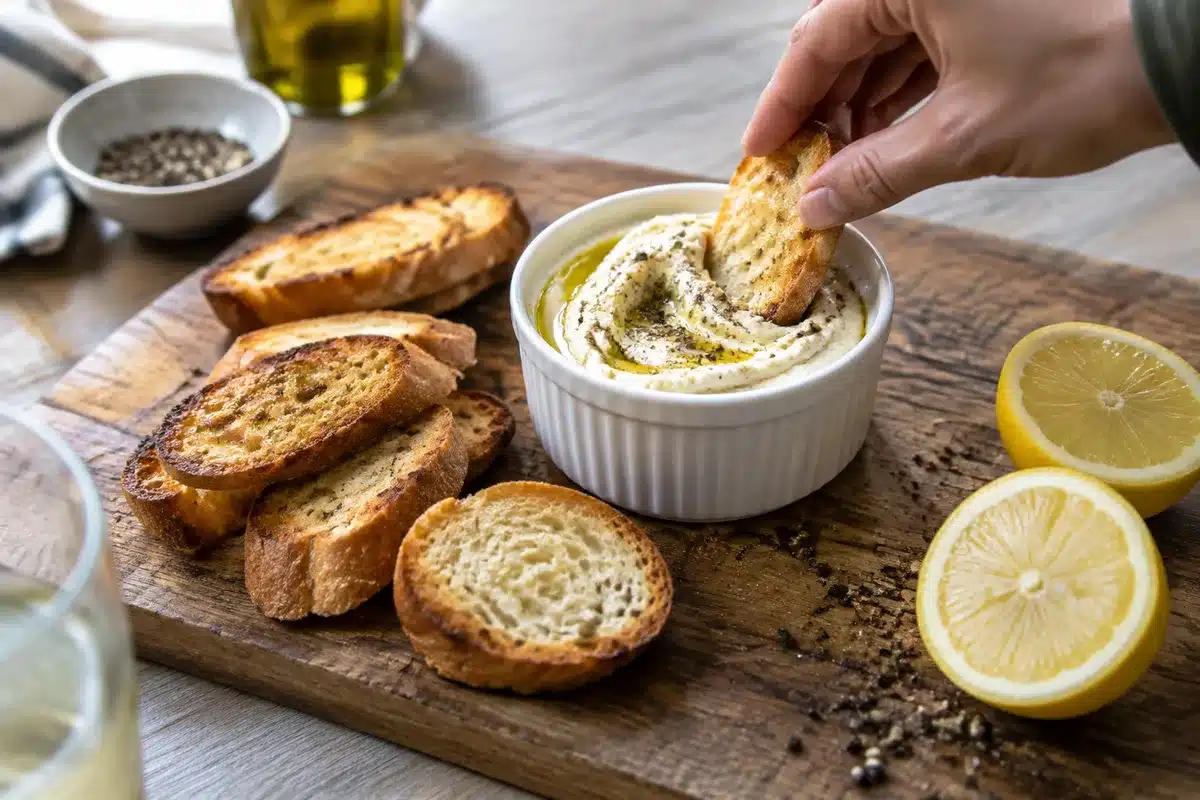
For authentic pan con tomate, don’t chop — grate. Halve very ripe tomatoes across the equator, then rub or grate the flesh down to the skin to capture silky pulp and bright juice without large chunks. The result is a spreadable, intensely fresh topping for toasted bread that needs only a rub of garlic and a drizzle of olive oil.
3. Build romesco in stages for texture
Romesco performs best when components are introduced progressively. Pulse roasted peppers and tomatoes first until smooth, then add nuts so they keep a little bite. Swapping hazelnuts for almonds adds a rounder, deeper flavour — a small change that lifts the whole sauce.
4. Let paella settle — and stop stirring
When rice and stock hit the pan, give paella a few minutes over high heat, then a gentle finish at low heat. Limit stirring from the moment the liquid is in: keeping the rice undisturbed for the final stage helps it form a compact layer and develop the prized crispy base, the socarrat. Early on, only knock stray grains off other ingredients to prevent uneven cooking.
Paella timing described by experienced cooks: roughly several minutes at higher heat to absorb stock, followed by a low-heat rest to finish. The exact time depends on rice and pan size, but the principle — minimal movement late in the cook — remains constant.
5. Use a wok to make migas
Migas — torn stale bread fried with bacon, garlic and vegetables — benefits from the wok’s curved sides. The depth lets you toss chunks without spillage while achieving an appealing contrast of crisp exterior and slightly chewy interior. For the ideal texture, toss the bread with a splash of water before frying so pieces steam slightly, then caramelise.
6. Grease hands and surface for perfect ensaïmada
When stretching dough for a Mallorcan ensaïmada, liberal fat is not optional — it’s essential. Coat your hands, work surface and the dough with butter or the traditional lard to help the pastry stretch translucently. Small tears don’t matter; rolling and coiling create many thin layers that hide imperfections and yield the pillowy crumb you expect.
7. Slice potatoes thin and even for tortilla
For a classic Spanish tortilla, aim for uniform, thin potato slices — about 2mm if you have a mandoline. Even thickness ensures simultaneous cooking and the desirable soft interior set in emulsified eggs. If you don’t own a mandoline, take time to cut consistently by hand; patience here makes the difference between a patchy and a flawless omelette-cake.
- Cascada potatoes: use to thicken stews or fry for extra crunch.
- Pan con tomate: grate ripe tomatoes for silky spreadability.
- Romesco: blend components in stages; try hazelnuts for depth.
- Paella: avoid stirring in the final phase to create the socarrat.
- Migas: cook in a wok and moisten bread slightly before frying.
- Ensaïmada: liberally grease hands and surface for easy stretching.
- Tortilla: slice potatoes thin and even – mandoline recommended.
These small shifts in technique matter because they change texture and concentration of flavour more reliably than swapping ingredients. They’re practical for home cooks: none require specialist produce, and most can be applied across multiple dishes.
If you want to practise, start with a simple project: make pan con tomate as an appetizer, then move on to a stovetop tortilla or a small paella. Each success builds confidence and brings you closer to the kinds of textures and flavours chefs aim for in professional kitchens.
Looking for recipes to try these techniques? Seek out trusted recipe collections for step-by-step guidance — especially for timing a paella and stretching ensaïmada dough — and adapt the methods above to your pantry and seasonality.
Irish whiskey: approachable bottles new drinkers should try today
Fishtown restaurants ranked: must-visit spots locals are raving about