
Show summary Hide summary
On a cool November evening in 2025, a compact crowd at a neighborhood jazz room fell silent as a saxophone cut through the air — a reminder that small music venues still matter. The 1881, a 15-table bar on the Pasadena–Altadena border, has become a local anchor for live music and community recovery after the devastating Eaton Fire of January 2025.
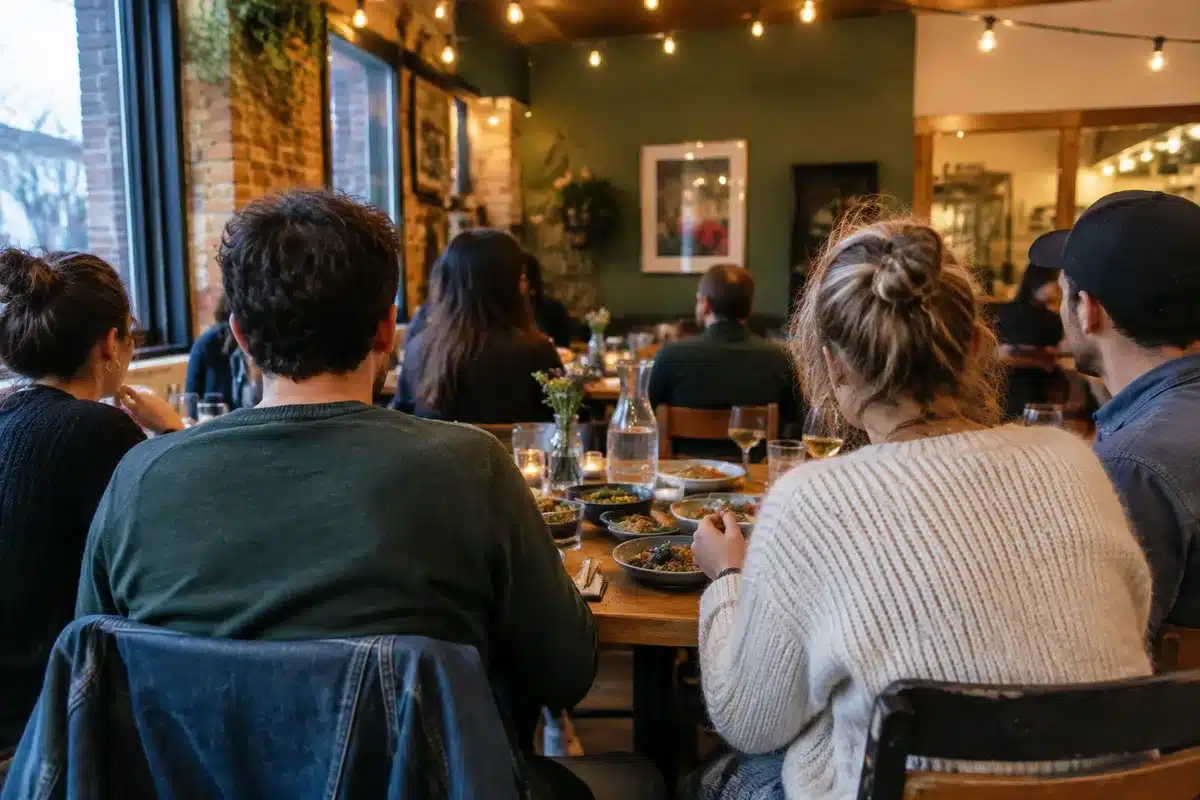
The room’s intimacy is deliberate: a short stage, a long bar seating eleven, and a television that during baseball season shows Dodgers games. Musicians who could fill larger Los Angeles stages choose the 1881 for the audience’s focus and warmth. Joel Taylor, a drummer who records and tours with high-profile artists, prefers the club’s close-up energy, where the sound of upright bass and brushed snare finds an attentive crowd.
From a 1933 building to a community hub
Caramel, butterscotch, toffee: how their differences affect your desserts
McDonald’s rebrands Twitter to honor Bubba Wallace after his first NASCAR Cup win
The building that houses the club dates to 1933. In 2017 Gail Casburn, her husband Judah and their son Owen converted the space into the 1881, and what began as a weekly Friday jazz night quickly expanded. The club now hosts live music several nights a week — a mix of traditional jazz, Brazilian influences and rotating residencies led by local players.
Casburn, who has taught math and computer programming across Southern California and runs another neighborhood tavern, kept the doors open even as personal losses mounted. She, her husband and son all lost their Altadena homes to the January blaze, along with many neighbors and a number of local musicians who saw instruments and collections destroyed.
Residents whose houses survived still come to the 1881 to trade stories, listen and find a measure of normalcy. The space has also hosted benefit concerts and fundraisers to support artists who lost equipment and livelihoods in the fire.
A music scene that keeps returning
The club’s regular lineup includes a mix of local and touring professionals. Pianists, upright-bass players and seasoned drummers rotate through short residencies; on any given night you might hear Roy Dunlap, Mike Gurrola or Charles Ruggiero. That blend of familiarity and surprise helps keep the room lively, even when audience sizes fluctuate as displaced residents rebuild.
“People don’t come here out of duty,” says one staff member. “They come because they want the music.” That voluntary attendance — and the musicians’ willingness to play in a smaller room — has been central to the 1881’s role as a cultural touchstone for the neighborhood.
The bar: small innovations, big meaning
After the fire, the club refreshed its beverage program. Bartender Adam Rettek, long part of the local bar circuit, redesigned the cocktail list with seasonally driven recipes. Signature drinks include the Key Change, a citrus-forward riff on a Lemon Drop, and the savory-sour Hooch Pickle, which pairs a Bimini gin with house-made dill honey and a quinine aperitif. A hybrid cocktail that blends a Manhattan with cola found its way into regular orders and conversation.
These menu changes are practical and symbolic: small pleasures that draw people back, help rebuild patronage and give displaced residents a place to reconnect.
- Address: 1881 East Washington Boulevard, Pasadena, CA 91104
- Phone: (626) 314-2077
- Website: https://www.1881pasadena.com/
- Live music: Wednesday–Saturday (varies); $10 typical entry fee
- Founded as a venue: 2017 (building originally constructed 1933)
- Community role: Hosted benefit shows after the January 7, 2025 Eaton Fire
For a neighborhood still coping with loss — the Eaton Fire killed residents, destroyed thousands of structures and scattered community networks — the 1881 functions as more than a bar. It’s a place where musicians who lost homes can play, where neighbors can check on one another, and where small acts of rebuilding happen nightly: a set played, a tip left, a conversation that helps someone feel less alone.
Looking ahead, the club’s survival depends on steady local support and the continued return of artists who treat the room as a creative home rather than a stopgap. Its story is a local example of how cultural spaces can anchor recovery after a disaster — and how small venues, when sustained, keep cities’ musical and social fabric intact.
Irish whiskey: approachable bottles new drinkers should try today
Fishtown restaurants ranked: must-visit spots locals are raving about