Show summary Hide summary
Chickpeas are quietly ruling kitchen cupboards for good reason: they stretch budgets, travel well through seasons, and adapt to dozens of cuisines. Whether you rely on canned beans or soak dried garbanzos ahead of time, they can anchor quick weeknight dinners or slow-simmered comfort dishes that keep well for lunches.
Why chickpeas matter now
As more people cook at home and choose plant-forward meals, chickpeas offer protein, fiber, and texture without the cost of meat. They’re also a practical ingredient for batch cooking and meal prep—use a large pot once and feed several meals across the week.
Caramel, butterscotch, toffee: how their differences affect your desserts
McDonald’s rebrands Twitter to honor Bubba Wallace after his first NASCAR Cup win
Beyond the familiar dips and fritters, chickpeas show up in brothy pastas, spiced stews, leafy salads, and surprising vegan swaps. Two pantry staples to know: chickpea flour, which crisps into batters and flatbreads, and aquafaba, the liquid from canned beans that whips into vegan meringue and mayonnaise-like emulsions.
Quick tour: recipes to try
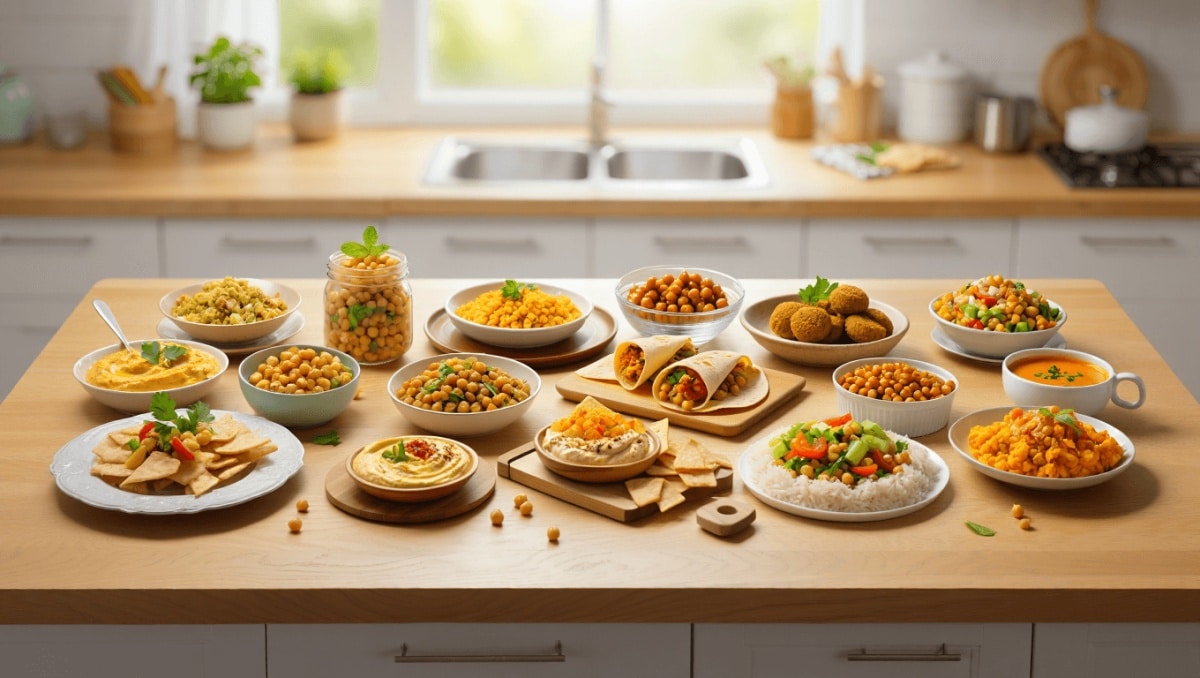
- Pasta e ceci — A rustic Italian-style pasta in a light chickpea broth; simple, warming, and ready on a busy night.
- Greek chickpea stew (revithia) — Minimal ingredients, long flavor: slow-simmered garbanzos that taste like they’ve been cooking all afternoon.
- Homemade falafel — Crisp outside, fluffy inside: herb-forward chickpea patties best served with tahini or a fiery green sauce.
- Maftool stew — Palestinian wheat pearls cooked with vegetables, chicken, and chickpeas for a comforting, textured bowl.
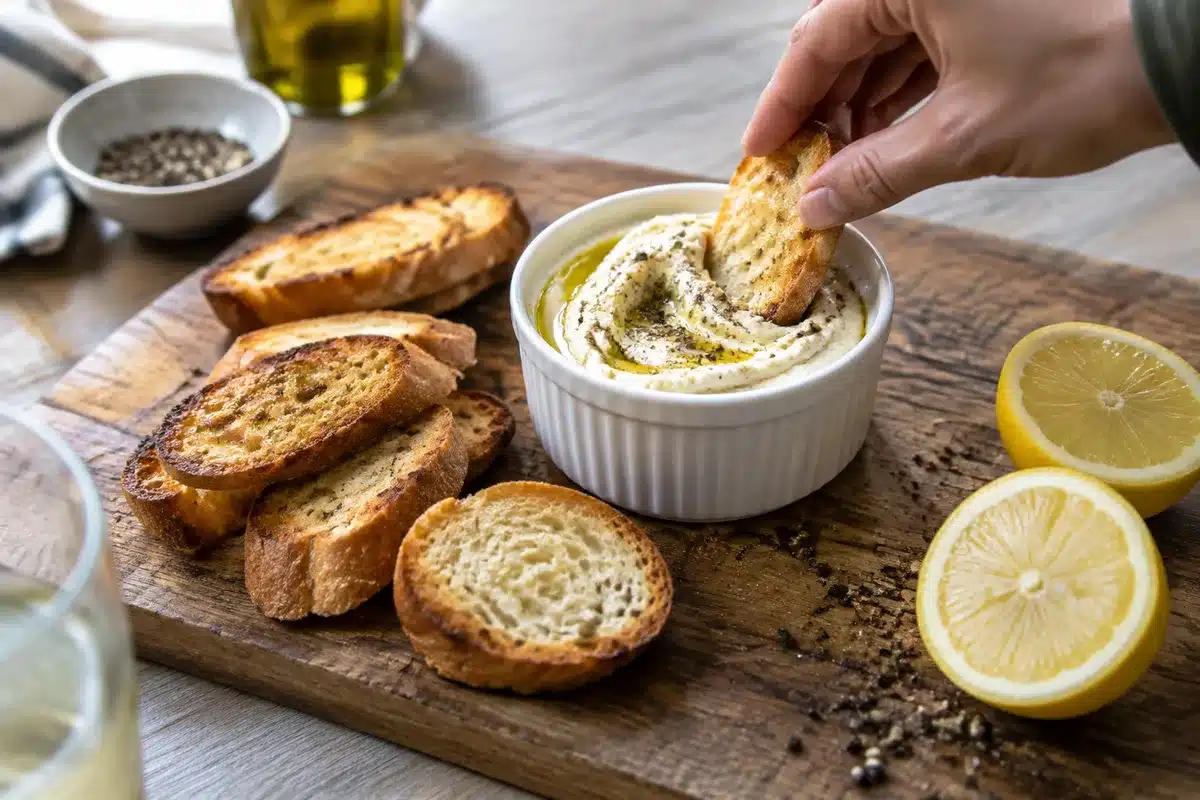
- Silky hummus — A smooth, Israeli-style purée technique that relies on hot blending and a lemony tahini emulsion for silkiness.
- Hummus masabacha — A deconstructed version with part-purée, part-whole chickpeas for contrast between creamy and chunky.
- Papri chaat — Indian street-food layers: chickpeas, potatoes, tangy chutneys and crunchy chickpea-flour sev.
- Channa masala — Tangy tomato-and-spice chole that’s big on flavor and quick to make.
- Chickpea, coconut & cashew curry — Rich, spiced curry mellowed by coconut milk and ground nuts for body and depth.
- Kale and chickpea salad with sumac onions — A make-ahead salad that improves in the fridge; sturdy greens keep their bite while flavors meld.
- One-pot chicken with chickpeas, tomatoes & chorizo — Speedy pressure-cooker meal that tastes like a long-simmered stew.
- Chickpea jalfrezi — A British-Indian favorite turned vegan, with browned vegetables, spices, and tender chickpeas.
- Spanish chickpea & spinach stew — Garbanzos braised with ginger and finished with a splash of vinegar for brightness.
- Chickpea cakes with mashed avocado — Quick, falafel-like patties made without soaking dried beans; crunchy crust meets creamy topping.
- Make-ahead chickpea salad with cumin & celery — A pantry-friendly, picnic-proof salad that keeps well for several days.
These dishes demonstrate how chickpeas move between roles: thickener, protein, filler, and textural counterpoint. They can be the star or a supporting player that elevates grains, greens, and meats.
Practical tips for better results
Start with how you buy them. Canned chickpeas are convenient and great for salads and quick stews; dried beans need planning but reward you with firmer skins and a different mouthfeel.
Small technique changes make a big difference: a pinch of baking soda during cooking can soften skins and aid puréeing when you want ultra-smooth hummus. Reserve some whole beans if you prefer a chunkier texture. And save the liquid from the can—aquafaba is an excellent egg substitute for vegans.
For crisp fritters or batters, try chickpea flour as the base: it browns beautifully and adds savory depth without gluten.
What this means for home cooks
Chickpeas are one of the most versatile, budget-friendly ingredients you can stock. They support a wide range of diets, travel well for packed lunches, and scale easily for families or meal-prep batches. Simple technique choices—soaking, simmering, or blending—let you tailor texture and flavor to each recipe.
Try picking two recipes from the list and make a double batch this weekend: one to eat hot and one to refrigerate for weekday lunches. Small investments in time (soaking overnight or simmering a pot) pay off across several meals.
Irish whiskey: approachable bottles new drinkers should try today
Fishtown restaurants ranked: must-visit spots locals are raving about