Show summary Hide summary
This summer’s grilling season has sharpened the spotlight on burgers—simple sandwiches that still reward small technical improvements. From restaurant counters to backyard hot plates, a few techniques and ingredient choices now separate the ordinary from the memorable.
Why this matters today: as people cook more at home and restaurants refine their menus post-pandemic, understanding which burgers deliver the best flavor, texture, and value helps readers decide where to eat and how to cook smarter.
Across city kitchens and home grills, three clear trends are shaping what people call “the best” burger right now: a renewed focus on beef quality, the rise of smash-style patties for crunchy edges, and growing demand for convincing plant-based alternatives. Each approach answers a different consumer question—taste, texture, or ethics—so the right burger depends on what matters to you.
Caramel, butterscotch, toffee: how their differences affect your desserts
McDonald’s rebrands Twitter to honor Bubba Wallace after his first NASCAR Cup win
Standout burgers to try this season
- Classic single with aged beef: Lean toward a coarse-ground, medium-fat blend and short cooking times to preserve juiciness and beef flavor.
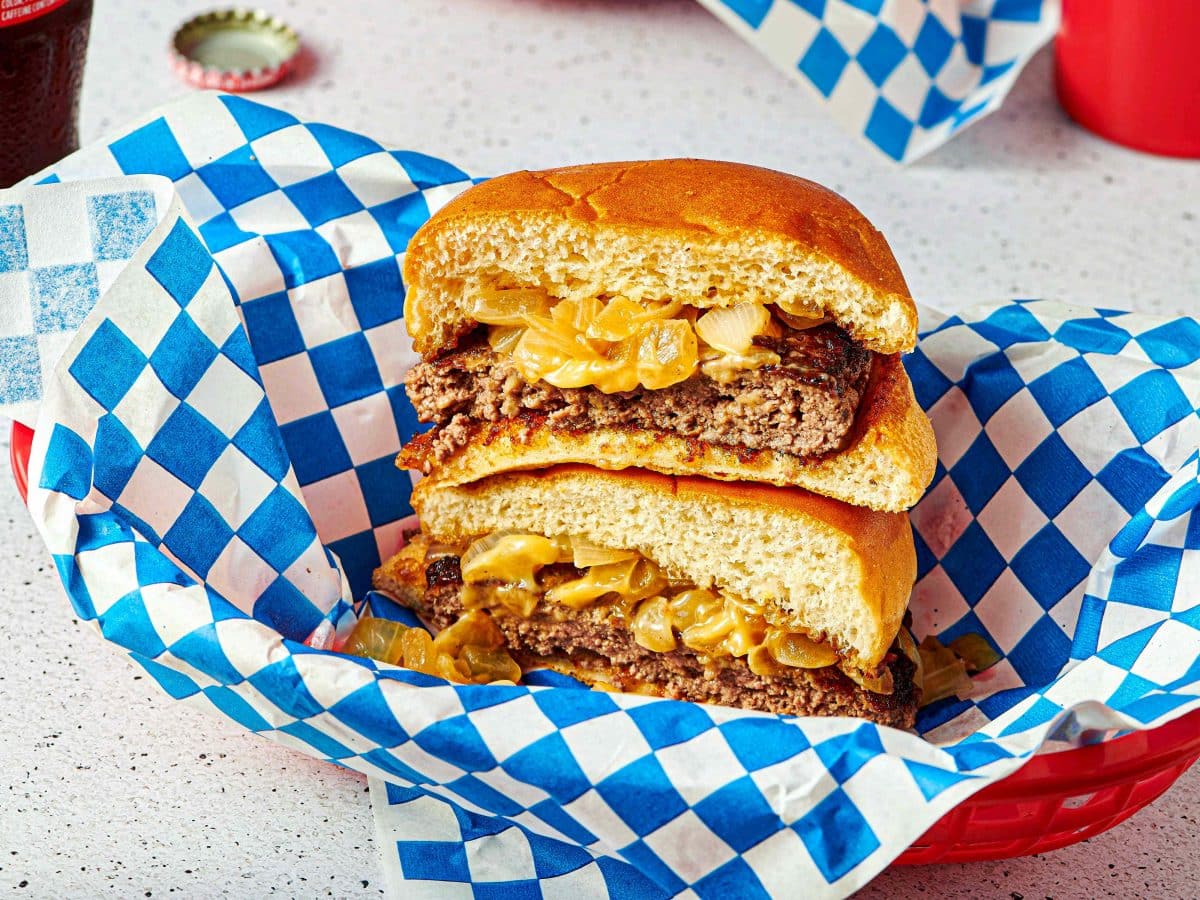
- Smash burger: Thin, pressed patties deliver a caramelized crust and fast cook time—ideal for weeknights and quick service counters.
- Double-stack deluxe: Two thinner patties with a glossy butter toast on the bun for contrast between soft interior and crisp exterior.
- Plant-forward alternative: Newer formulations aim to mimic beef’s texture and browning—best when finished on a hot surface for a seared crust.
- Regional specialties: From smashed Midwest sliders to coastal fish or lamb variations, local ingredients give each burger a distinct identity.
The practical difference for readers is straightforward: choose thin and hot for texture and char, or thicker and gentler for a juicier bite. Restaurants will keep pushing technique and toppings as a way to stand out, while grocery options make it easier to recreate those outcomes at home.
How to make a better burger at home
Small adjustments produce big results. Below are simple, repeatable steps that work whether you’re on a grill, griddle, or cast-iron skillet.
- Keep the meat cold until just before cooking; this helps patties hold together and prevents overcooking.
- Use a coarse grind and about 15–20% fat for balance between flavor and drip loss.
- For smash burgers, press thin and cook on a very hot surface to maximize Maillard browning.
- A quick rest (about two minutes) after cooking lets juices redistribute without cooling the burger completely.
- Toast the bun on the same surface for flavor and to prevent sogginess from sauces.
These steps boost consistency more than exotic ingredients. They also reduce waste and help busy cooks finish dinners quickly—practical benefits as grocery prices and time pressures continue to influence meal choices.
Restaurant dining still plays a role. Many establishments now highlight sourcing and technique—dry-aged beef, butter-basting, or house-made sauces—which can justify a higher price and provide a benchmark for at-home cooks. If you’re exploring menus, look for explicit notes on grind, fat percentage, or cooking style; those details often predict the result.
What to watch next
Expect continued experimentation with toppings and production methods. Lab-grown and hybrid protein products are moving through testing and could appear more widely in the coming year, changing both price and availability for consumers seeking alternatives to conventional beef.
For now, the simplest takeaway: prioritize texture and heat management. Whether you favor a crisp-edged smash or a thick, juicy patty, mastering a few core techniques will make the burger you order or cook this season noticeably better.
Irish whiskey: approachable bottles new drinkers should try today
Fishtown restaurants ranked: must-visit spots locals are raving about