Show summary Hide summary
- Akoya Omakase — Kansas City, Missouri
- Bomb Bomb Bar — Philadelphia, Pennsylvania
- Cassis — Milwaukee, Wisconsin
- Creepies — Chicago, Illinois
- Emelina — West Palm Beach, Florida
- Maroon — Las Vegas, Nevada
- Maydan Market — Los Angeles, California
- OK Chicken & Khao Soi — Portland, Oregon
- Ramen Del Barrio — Austin, Texas
- Restaurant Naides — San Francisco, California
- Rougarou — Denver, Colorado
- Rye Bunny — Washington, D.C.
- So. Fox — Atlanta, Georgia
- Somssi — New York, New York
- Titusz — Pittsburgh, Pennsylvania
This year’s Eater Awards shortlist captures how restaurants are responding to diners’ desire for familiarity paired with ambition. Editors and scouts traveled widely in 2026 to identify 15 openings that stood out for craft, hospitality, and cultural clarity — places worth seeking out now.
- Akoya Omakase — Kansas City, MO: precise sushi with surprising accents
- Bomb Bomb Bar — Philadelphia, PA: a faithful, fun revival of a 1951 neighborhood bar
- Cassis — Milwaukee, WI: large-scale French brasserie energy, Midwestern ingredients
- Creepies — Chicago, IL: playful French bistro technique grounded in local identity
- Emelina — West Palm Beach, FL: a Michelin-recognized Cuban tasting menu rooted in place
- Maroon — Las Vegas, NV: African-diaspora flavors brought to a theatrical Strip setting
- Maydan Market — Los Angeles, CA: a curated market incubator centering Indigenous and diasporic vendors
- OK Chicken & Khao Soi — Portland, OR: convivial Chiang Mai–inspired Thai, in a familiar spot
- Ramen Del Barrio — Austin, TX: Japanese–Mexican ramen and izakaya fare
- Restaurant Naides — San Francisco, CA: Filipino flavors reframed for fine dining
- Rougarou — Denver, CO: modern Southern cooking with a lively bar and music program
- Rye Bunny — Washington, D.C.: a neighborhood-minded, mid-price destination
- So. Fox — Atlanta, GA: seasonal Southern cooking anchored by a sought-after roast chicken
- Somssi — New York, NY: a deeply personal menu that blends the team’s global influences
- Titusz — Pittsburgh, PA: confident Central European comfort, executed with precision
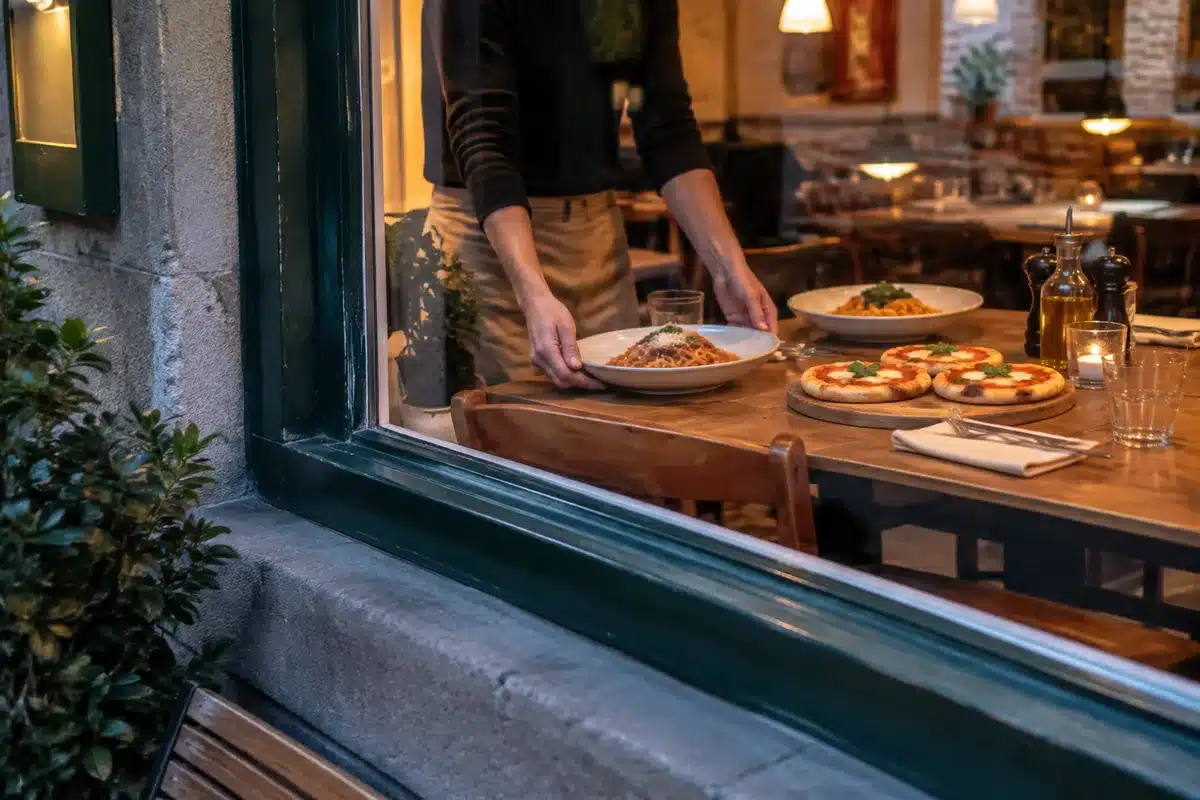
Williamsburg Italian restaurant from two sisters debuts with pasta and pizettes
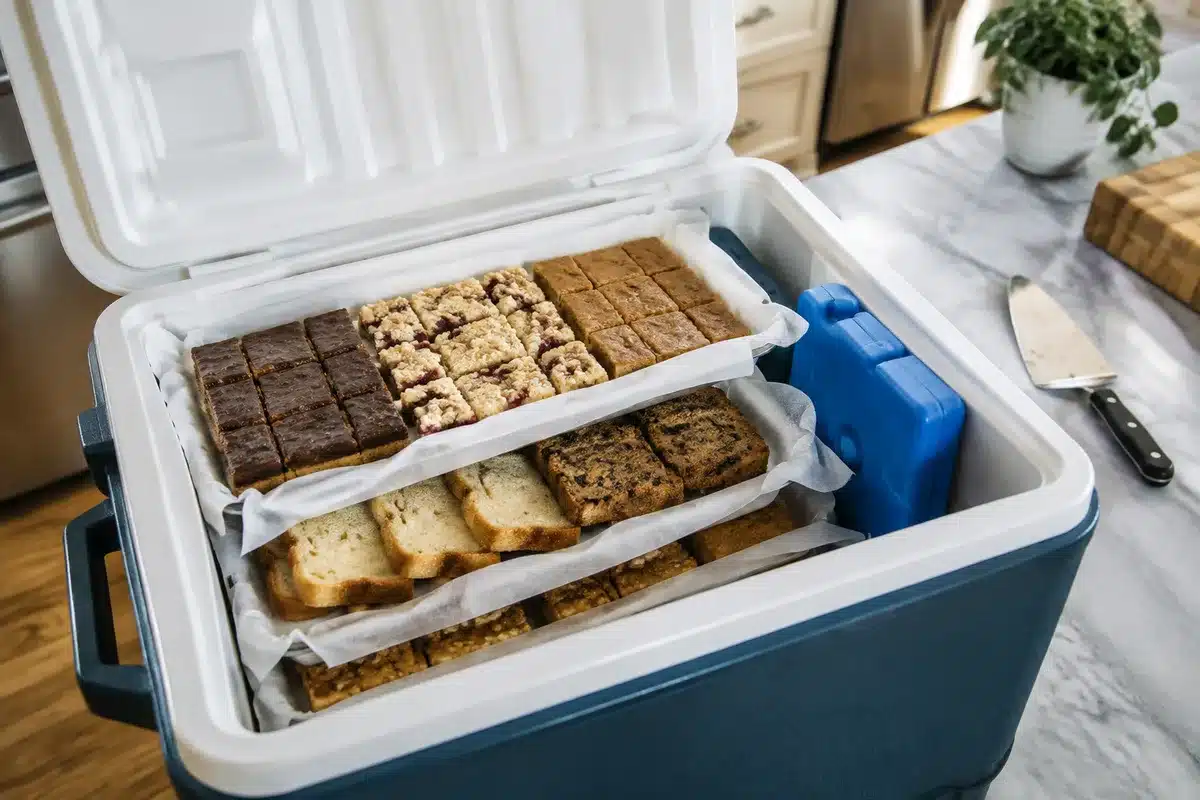
thanksgiving desserts that travel well: 12 make-ahead crowd-pleasers
Akoya Omakase — Kansas City, Missouri
Chef Peter Hoang is doing the improbable: running a quietly exacting omakase counter in a city known for barbecue. He sources fish from Tokyo buyers and often retrieves shipments himself, ensuring the raw material matches the meticulous seasoning of his rice.
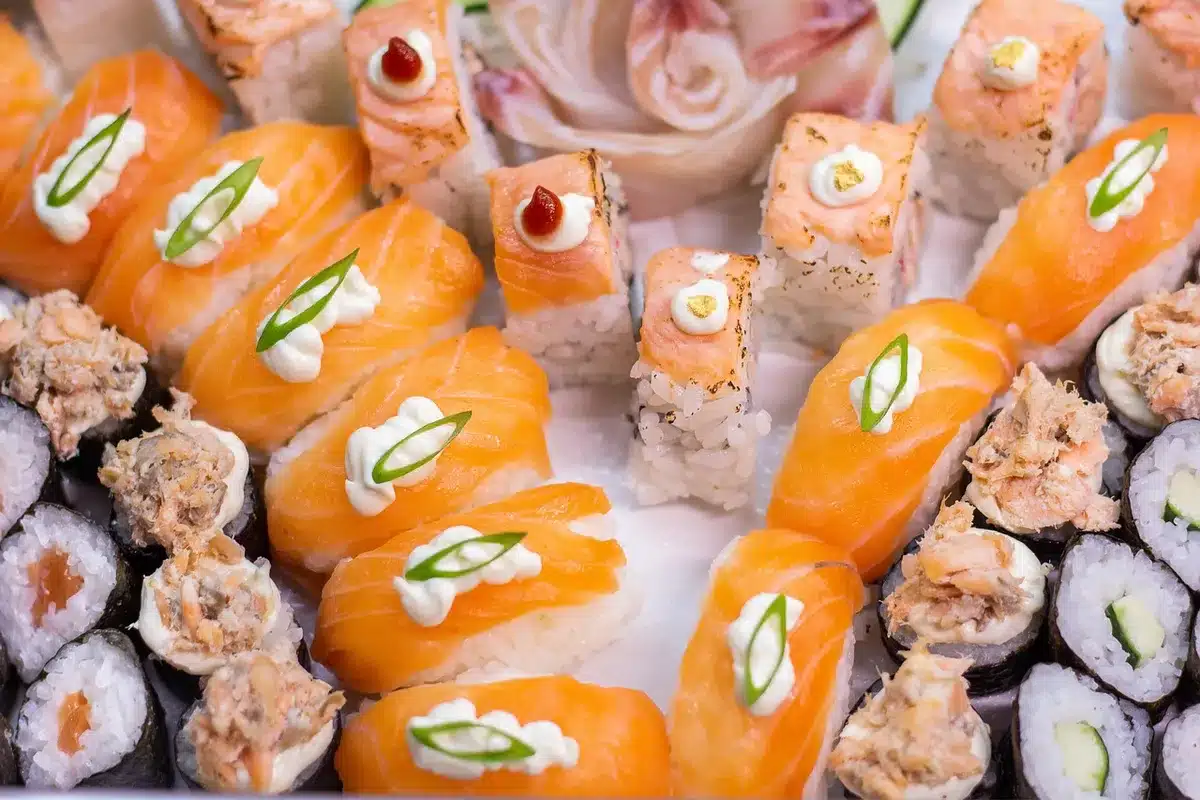
Beyond textbook sashimi and nigiri, Hoang layers in small, clever contrasts — think pineapple chutney offsetting smoky mackerel, or a restrained truffle pâté used to lift delicate hirame. There are approachable entry points, too: a la carte plates and lunch options let diners ease into the experience without committing to the full $165 omakase. The staff’s chatty bar service and the room’s unpretentious warmth help make Akoya feel like a neighborhood discovery. — Missy Frederick, editorial director
Bomb Bomb Bar — Philadelphia, Pennsylvania
Joey Baldino, a South Philly native, acquired and reopened this classic spot from 1951 and chose to lean into its history rather than erase it. Neon bombs above the door, a swordfish on the wall, and gruff-but-warm servers all nod to the place’s lore.
The menu keeps things straightforward but memorable: a seafood parade for roughly $65 per person, shrimp and lobster preparations, and the kind of hot-fudge sundae that’s ceremonially poured tableside. It’s a reminder that preserving an old favorite — and tightening the cooking — can reaffirm a neighborhood’s identity while appealing to destination diners. — Bettina Makalintal, senior reporter
Cassis — Milwaukee, Wisconsin
Cassis occupies a large, gleaming dining room and channels the polish of a classic French brasserie while showcasing Wisconsin ingredients. Kyle and Meghan Knall, known for Birch, built a place that invites lingering: a bright bar, roomy banquettes, and an all-day rhythm that feels like a civic night out.
The cooking pairs classical technique with local produce: herb-bright aioli with oeuf mayo, ravioli accented by summer corn and Pleasant Ridge Reserve cheese, and a featherlight foie gras éclair that reframes a rich ingredient. In an era when fine dining often narrows, Cassis argues for scale and sociability as part of its appeal. — Hilary Pollack, deputy editor
Creepies — Chicago, Illinois
At first glance the name is whimsical; at the table the food is seriously considered. Chefs David and Anna Posey riff on French bistro fundamentals while threading in Chicago references, making the menu feel local and inventive.
Steamed mussels hit with Pernod and a city-minded fennel giardiniera; a tavern-style tarte flambe evokes Chicago’s square pizzas; and warm Brie oozes from gougères for a generously gooey bite. A textbook roast chicken gains depth with liver-enriched jus, and desserts lean into playful contrasts. Creepies proves that the bistro format still yields surprises when executed with conviction. — Missy Frederick
Emelina — West Palm Beach, Florida
Chefs Osmel González and Camila Salazar have translated family recipes and Cuban memory into an ambitious tasting program that earned a Michelin star soon after opening. The result is cooking that can move longtime diners to tears while reframing familiar flavors.
Using South Florida produce and careful technique, Emelina nods to home-cooked dishes — a fried flounder with caviar that winks at pan con minuta, a mid-course of tropical fruits with ricotta and cured ham, and an elevated rabo encendido (braised oxtail). The menu reads like a modern paladar, intimate and rooted in place. — Matthew Kang, correspondent
Maroon — Las Vegas, Nevada
Kwame Onwuachi’s Maroon brings the African diaspora’s cooking into a bold, theatrical Las Vegas setting. The dining room is mood-lit and loud in the best way, making the food’s intensity feel wholly appropriate.
Expect big flavors: sashimi and braised octopus with a Scotch bonnet sting; jerk-spiced chicken with a crisp, aromatic crust; oxtail fried rice that layers stewed chicken and julienned peppers like a Caribbean bibimbap. Maroon’s maximalist garnishes — from caviar to grated truffle — aim to surprise, and in Vegas they land as part spectacle, part comfort. — Matthew Kang
Maydan Market — Los Angeles, California
Maydan Market opened as a collaborative marketplace designed to give small, often underrepresented operators room to grow. Anchored by established concepts and populated by rotating stalls, it’s a single destination that rewards grazing and curiosity.
Within one roof you’ll find Pozole flights and pescadillas, an asiento-painted tlayuda, Thai-style fried chicken, and a rotating stall spotlighting Black- and Palestinian-owned projects. The market’s deliberate centering of Indigenous Mexican vendors and other diaspora voices matters beyond gastronomy; in a fraught political moment it creates economic and cultural visibility for communities that need it. — Nicole Fellah, dining editorial manager
OK Chicken & Khao Soi — Portland, Oregon
Built where Pok Pok once stood, this project from chef Akkapong “Earl” Ninsom and co-owner Eric Nelson feels like an excellent dinner party you luck into. The room is familiar; the execution is fresh.
Chicken anchors the menu — crispy wings, grilled preparations, and two styles of khao soi — while nam prik makheua with long beans and a snappy yum moo yang salad bring fermented, herbal, and chile-driven notes. Drinks range from herbal slushies to inventive cocktails and desserts finish with longan sticky rice accented by perilla and crispy coconut. — Brenna Houck, dining editorial manager
Ramen Del Barrio — Austin, Texas
Chris Krinsky’s project bridges Japanese ramen traditions with Mexican flavors and techniques. What began as a garage and food-court venture has matured into a full restaurant that wears both influences confidently.
Standouts include a carnitas tonkotsu that folds confit buche and belly into a creamy pork broth, a pozole-tonkotsu studded with tripe and hominy, and mole tsukemen built for dipping. Creative small plates like tuna tostada with morita chile aioli and yaki-tacos extend the concept into izakaya territory. The space itself is warm and personal — ceiling sushi mats, handbuilt wood panels, and a Spanish-dubbed anime on the TV. — Nadia Chaudhury, deputy editor
Restaurant Naides — San Francisco, California
In a tucked-away Nob Hill dining room, Patrick Gabon and Celine Wuu have made a case for Filipino cooking within a fine-dining frame. Their plates preserve the soul of Filipino flavors while asking diners to re-evaluate expectations of high-end service.
Gabon reworks staples — a sinigang presented with dry-aged beef broth and abalone, bagoong transformed into a mellow sauce paired with chayote and caviar — while Wuu’s beverage pairings, especially the nonalcoholic options, are crafted to balance and amplify the cuisine’s bright, savory backbone. The result is focused, surprising, and respectful of its roots. — Dianne de Guzman, editor, Eater SF
Rougarou — Denver, Colorado
Rougarou resists neat labels: an energetic bar, a music-forward patio, and a kitchen turning out modern Southern plates with brash flavor. The room’s hard surfaces amplify the convivial noise, and the menu matches the mood.
Fried catfish comes with a fermented hot-and-sour sauce and pickled chiles; charred zucchini appears with smoked-cheddar sauce and country ham; and the signature Chicken on a Stick recalls a Mississippi gas-station specialty, refitted with love. Cocktails push toward tropical funk — green banana, oversteeped oolong, and Haitian clairin appear alongside late-night industry crowds. It’s a place that shape-shifts to meet the night. — Ben Mesirow, travel editor
Rye Bunny — Washington, D.C.
Rye Bunny repurposes the bones of a Michelin-starred dining room into a more accessible model: counter ordering, mid-range prices, and fewer staff to keep costs sustainable. The gamble has paid off with consistent lines and a new neighborhood habit.
Jon Sybert’s menu balances comfort and ingenuity — Aleppo-honey fried chicken, anchovy-and-quince toasts on milk bread, and seasonal salads — and sommelier-minded drinks keep the experience spirited while letting the food remain central. The format suggests a blueprint for sustaining mid-price restaurants as margins tighten. — Emily Venezky, social media manager
So. Fox — Atlanta, Georgia
So. Fox arrived with immediate buzz for its show-stopping roast chicken, available only to a tiny number of tables nightly after days of careful brining. The demand to secure that bird says as much about scarcity and theater as it does about the result.
Myles Moody’s kitchen highlights produce from the team’s Ormewood Park farm, while sommelier Rachael Pack favors low-intervention and Old World producers. Dishes rotate with the seasons — rabbit dumplings, Carolina Gold rice, late-summer peas — but the chicken remains the restaurant’s gravitational center. — Mona Holmes, editor, Eater LA
Somssi — New York, New York
Somssi is built from the personal histories of Ahris Kim and chef Daniel Gronert: Korea, Indonesia, the Philippines, Wisconsin, and more. That patchwork shows up in dishes that feel intimate and intentionally idiosyncratic.
Highlights include a caviar-topped Potato Potato Potato that plays on tot nostalgia atop miso hollandaise, grilled ox tongue glazed with tare, and a pork schnitzel riff disguised as shrimp toast. Hospitality here leans homey and analog: embroidered curtains, handprints on the bathroom wall, and a service team that rewards trust. — Nicole Fellah
Titusz — Pittsburgh, Pennsylvania
Chef Csilla Thackray named her restaurant for a family member and has built a small, confident home for Central European cooking in Pittsburgh. Titusz marries the comfort of heritage dishes with exacting technique.
Sunday’s Schnitzel Sonntag — a simple, lard-fried veal cutlet for an exceptionally low price — points to the chef’s restraint and belief in letting great ingredients speak. Paprika oil lifts sour-cherry soup, charred leeks and sauerkraut enrich cheese dumplings, and a walnut-studded aranygaluska lands in brown-buttered sweetness. A focused Central European wine list and cocktails that nod to regional spirits complete the picture. — Beth Kracklauer, dining editorial manager
Practical note: Eater is also offering select dining perks with some of this year’s winners through January 31, 2027. To access partner offers, create an Eater account or download the Eater iOS app; terms apply.
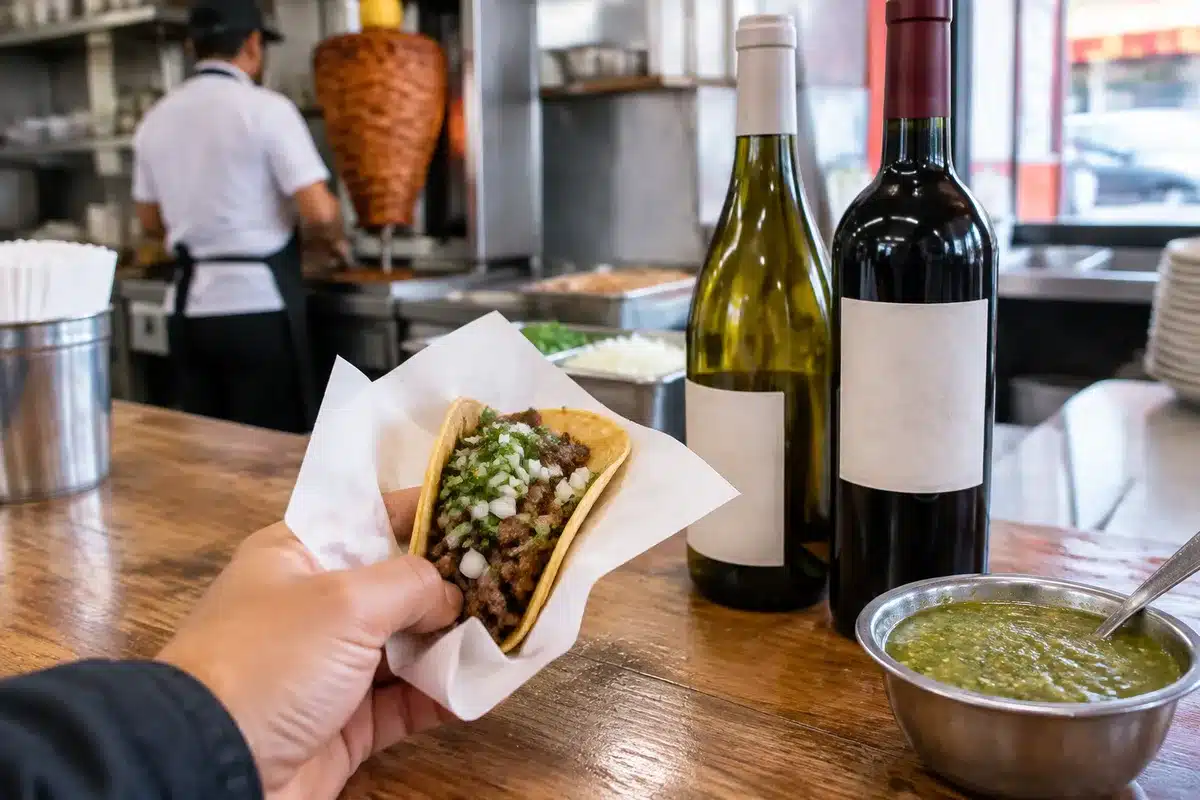
Taco wine pairings: Mexican chef reveals best bottles for every taco
New Hope, Pennsylvania restaurants ranked: top spots locals are flocking to