Show summary Hide summary
Los Angeles’s restaurant scene is shifting again this November: a wave of chef-driven openings across multiple neighborhoods is redefining how Angelenos eat, from pared-back seafood to elevated Filipino cuisine. These new spots matter because they signal both a return to ambitious, ingredient-led dining and a sharper focus on sustainability and neighborhood fit as the city heads into the holiday season.
What’s new and why it matters
The latest openings are notable not just for inventive menus but for the way they respond to current pressures—higher rents, tighter labor markets, and diners seeking clearer value. Expect shorter menus executed at a high level, more vegetable-forward options, and restaurant formats that lean on reservations and curated tasting experiences to control flow and reduce waste.
Best new bakery openings 2026: where to find America’s hottest spots
Freezer-friendly chicken recipes: make-ahead meals that slash weeknight cooking time
Beyond food, these restaurants are already influencing local dining patterns: several are in previously overlooked corridors, helping spread evening foot traffic beyond the usual hotspots. For diners, that means new choices and, in some cases, easier access to standout cuisine without the usual two-month wait.
Top new restaurants to try in November 2026
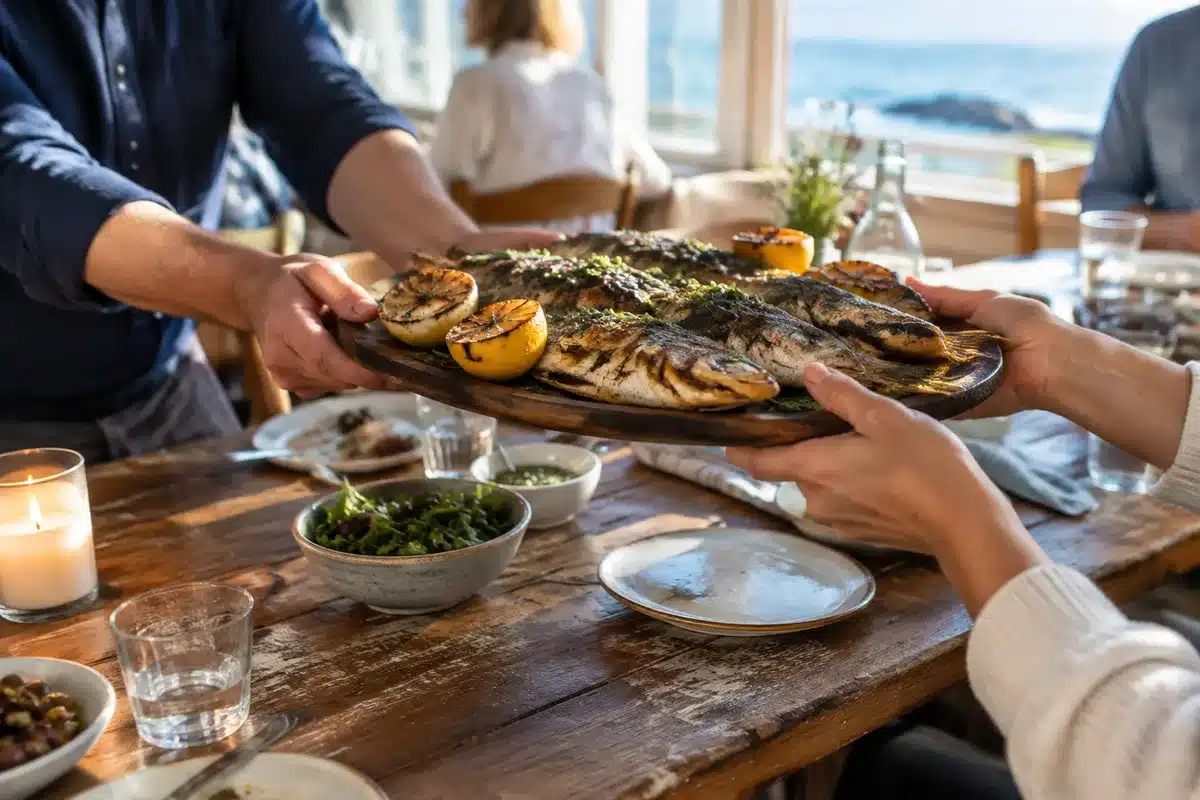
- Salt & Ember — Venice: Coastal seafood cooked over a wood-fired hearth. Price range: moderate–high. Standout: whole grilled branzino with charred lemon and seaweed butter. Reservations recommended on weekends.
- Luna y Sol — West Hollywood: Modern Mexican that highlights Baja-style seafood and coastal aguachiles. Casual counter service by day; full-service dining by night.
- House of Laksa — Koreatown: A tight, spice-forward kitchen focused on Southeast Asian soups and small plates. Best for communal dinners and late-night cravings.
- Hearthline — Arts District: A chef-owned, wood-fire tasting menu that emphasizes seasonal produce and whole-animal butchery. Limited seats; walk-in availability is rare.
- Mirth & Vine — Silver Lake: Wine-led small plates with an expansive natural wine list and shareable dishes. Ideal for groups and casual evenings.
- Sora — Culver City: Contemporary omakase in an intimate counter setting, blending traditional Edomae techniques with California seafood.
- Adobo Room — Highland Park: Elevated Filipino flavors presented in a refined, family-style format; expect creative takes on adobo and kinilaw.
- Cicero — Brentwood: Rustic Italian fare with an emphasis on house-made pasta and wood-fired pizzas, friendly to families and date nights alike.
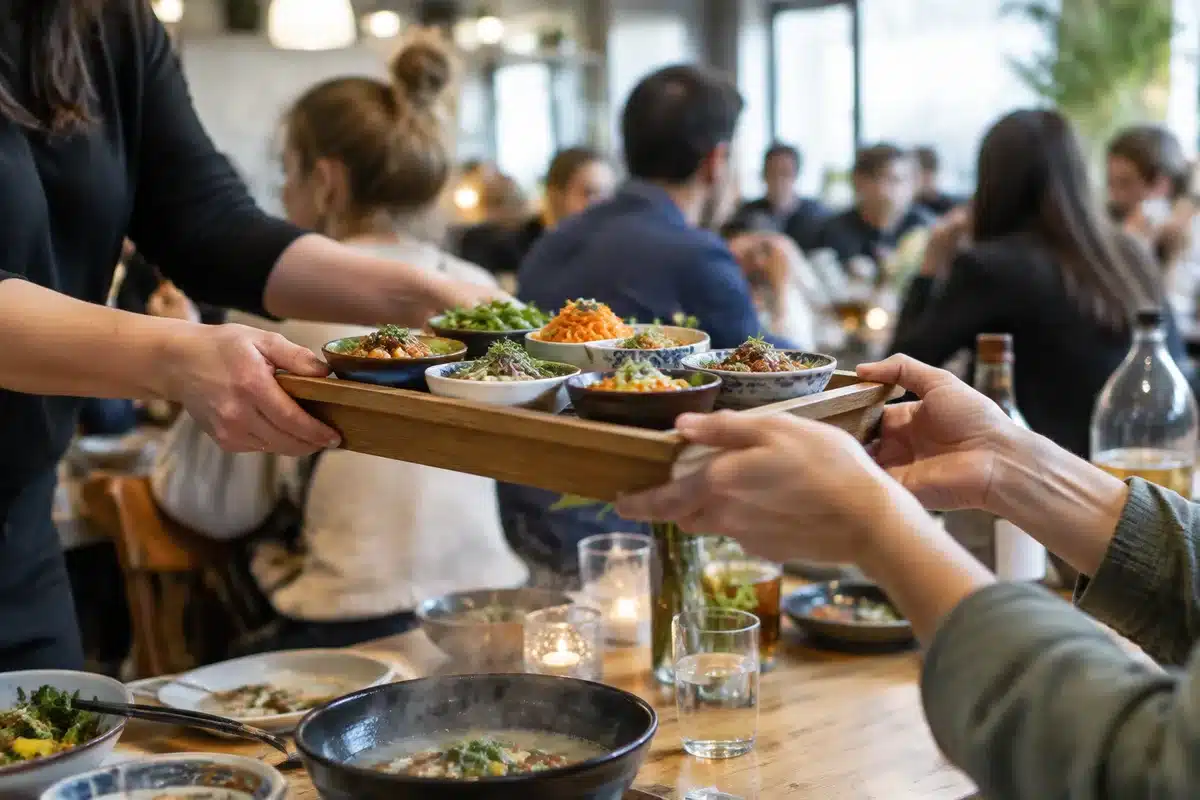
- Fig & Finch — Studio City: Plant-forward, seasonally driven tasting plates that appeal equally to vegans and omnivores looking for inventive vegetable cuisine.

What to expect at a glance
These openings demonstrate a few clear trends: smaller dining rooms, menus built around a few signature techniques, and service models designed to reduce waste. For diners, that often translates to higher per-cover prices but a more intentional, memorable meal.
Reservations are increasingly the norm. Many of these kitchens seat fewer than 40 guests per service and reserve prime nights for booked parties. If you want a weekend table, plan ahead—some are already taking bookings through popular reservation platforms; others hold a mix of online bookings and a small walk-in allocation.
Practical tips before you go
- Timing: Weeknights and late afternoon seatings can yield easier access and a quieter experience.
- Parking & transit: Check neighborhood parking rules; several openings are near Metro or bike-friendly corridors.
- Dietary needs: Most menus highlight vegetarian and gluten-aware options, but call ahead for strict allergies.
- Price signals: A short menu doesn’t always mean inexpensive—tasting formats often include multiple courses and supplemental charges.
Many of these concepts also prioritize sustainability—local sourcing, minimized food waste, and lower-impact protein choices—reflecting a dining audience that increasingly values provenance and environmental practices alongside flavor.

Neighborhood picks and what makes them special
Venice and the Arts District continue to host ambitious seafood and wood-fire restaurants that favor open kitchens and theatrical cooking. In West Hollywood and Silver Lake, expect vibrant small-plate rooms where wine lists and shareable dishes drive the evening rhythm. Farther east, Highland Park and Koreatown are home to culturally specific menus that spotlight regional techniques and family recipes elevated for city diners.
Those shifts mean two things for Angelenos: more diverse culinary options close to home, and a chance to sample chef-driven cooking in settings that feel less touristy than the traditional hotspots.
Why now is a good time to try these places
The end of the year brings seasonal ingredients—late citrus, hardy greens, and ocean fish at their best—so many November menu launches are timed to showcase those elements. For readers planning holiday gatherings, these restaurants offer fresh alternatives to the usual catered meals, provided you reserve early.
Additionally, several of these chefs are experimenting with prix fixe lunches and midweek specials to build regular clientele, a good opportunity to sample ambitious cooking at lower cost.
Final perspective
Los Angeles dining in November 2026 feels pragmatic and creative at once: restaurateurs are responding to economic realities with focused menus and intentional experiences while chefs push for memorable flavors and local sourcing. For diners, that combination delivers sharper, more purposeful meals—if you’re willing to plan ahead.
For a quick start, aim for a midweek visit, scope out parking options before you go, and check whether the restaurant holds a small number of walk-ins if you’re spontaneous. These new openings are worth seeking out—not just for novelty, but because they reflect where LA dining is heading: smaller, smarter, and more rooted in place.
Starbucks accused of firing employee after morning-shift TikTok goes viral
Starbucks secret menu: key ordering rule every customer should know