Show summary Hide summary
Five chefs whose recent openings have quickly become culinary touchstones are shaping how we eat in 2026 — from intimate tasting counters to ambitious, terroir-driven menus. Their restaurants are doing more than collecting headlines; they are redirecting local dining scenes and offering experiences that matter now to diners, critics and hospitality professionals alike.
Laura Ozyilmaz — Maria Isabel (San Francisco)
Maria Isabel opened in 2026 as a personal, ingredient-forward project that centers Laura Ozyilmaz’s Mexican roots. After gaining wider attention on Top Chef in 2024 and through her work at Dalida, Ozyilmaz has turned toward a kitchen that explicitly traces family recipes and coastal traditions.
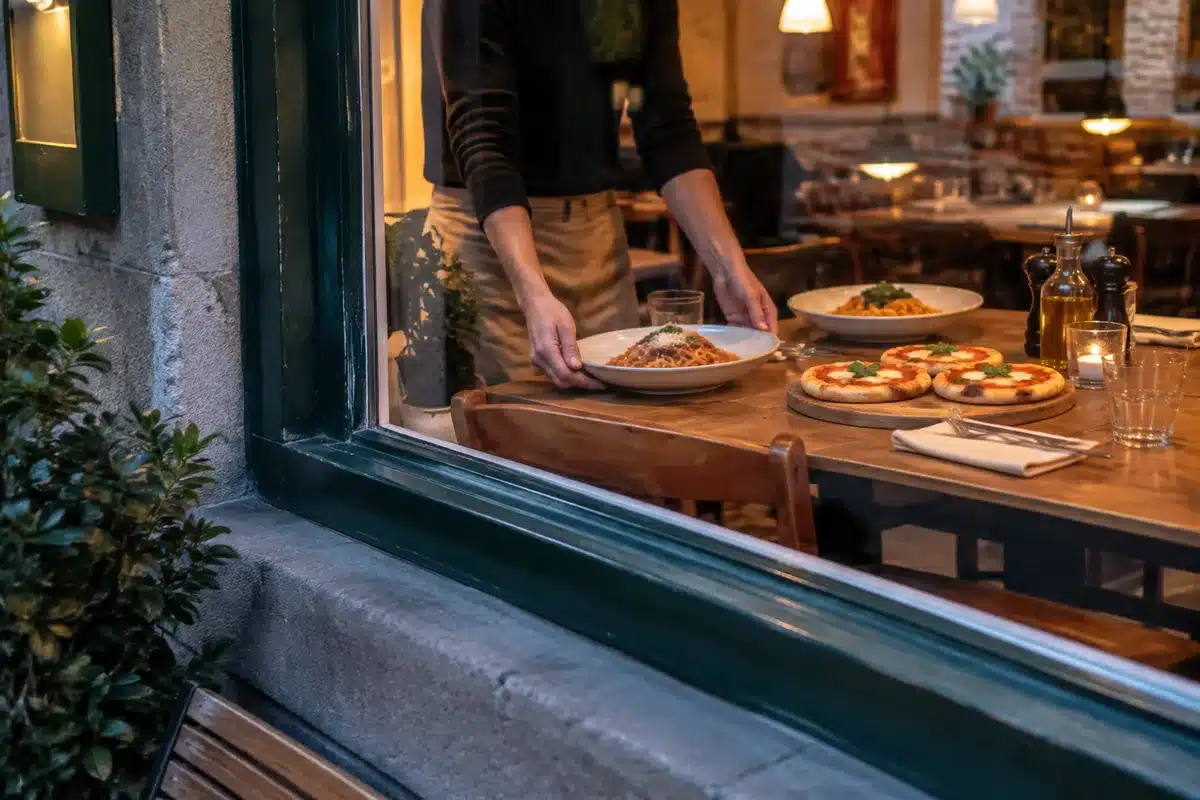
Williamsburg Italian restaurant from two sisters debuts with pasta and pizettes
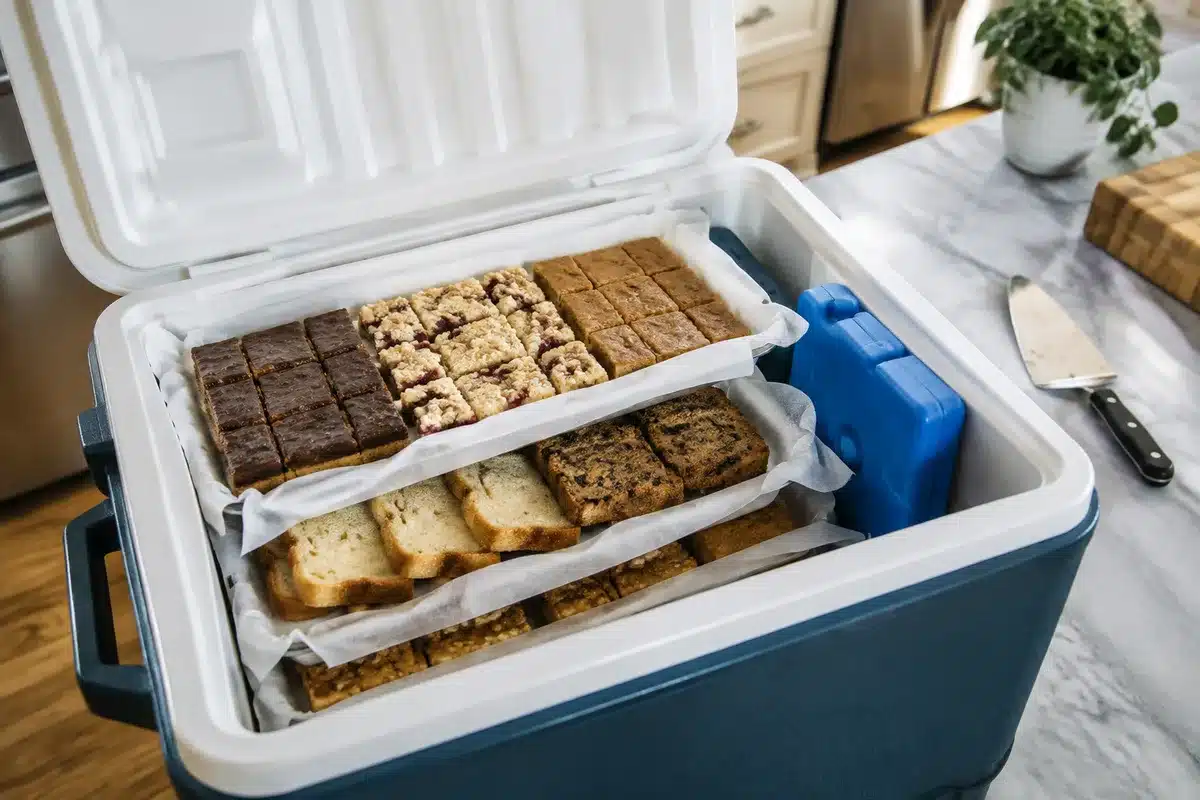
thanksgiving desserts that travel well: 12 make-ahead crowd-pleasers
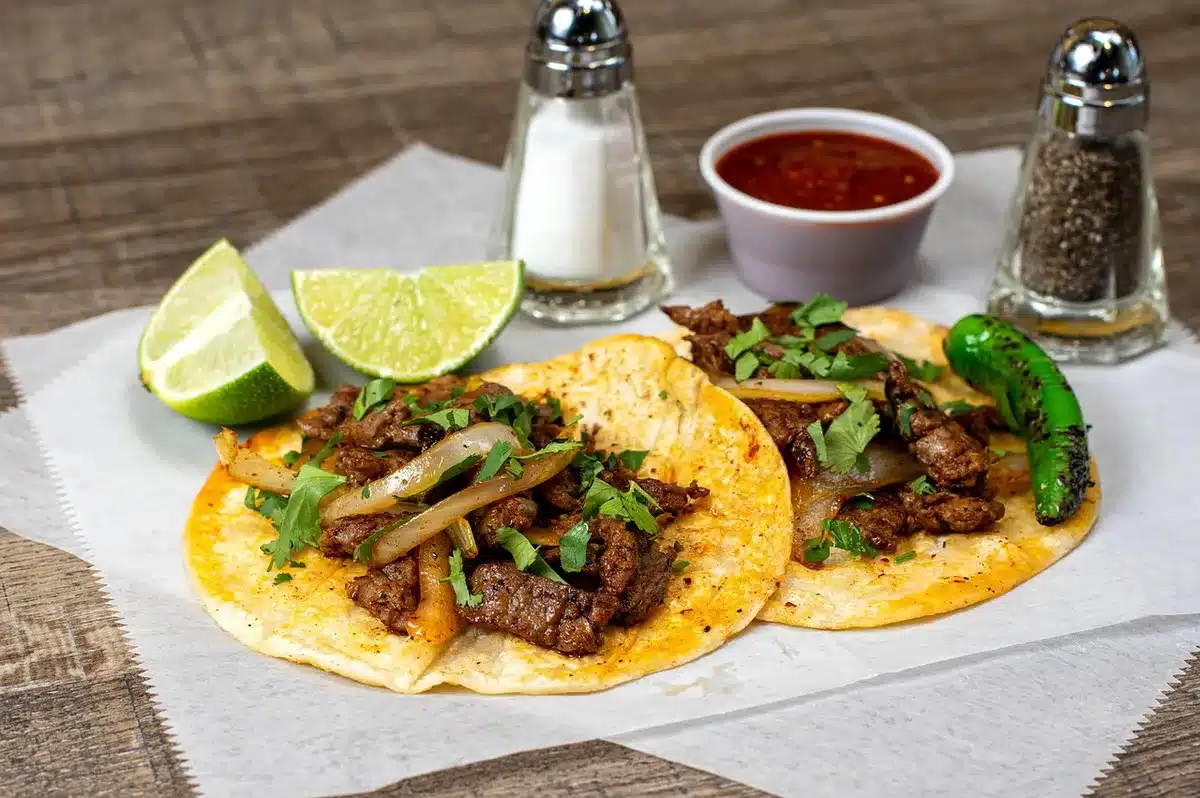
The menu emphasizes heirloom masa, coastal seafood and regional moles. Dishes such as a reimagined ceviche and duck enmoladas aim to balance nostalgia with refined technique. The room also highlights Mexican crafts and women makers, creating a dining room that’s both culinary and cultural in intent.
Carlos Delgado — Maru San (Washington, D.C.)
Maru San arrived on Capitol Hill in February and immediately became the city’s most-talked-about small counter. Delgado — who introduced D.C. to his Peruvian-leaning tasting room Causa in 2022 — pairs Nikkei seafood preparations with exacting sourcing and service.
Seating is limited to a 25-seat marble counter where hand rolls, sashimi and a compact tasting menu rotate with rare ingredients like premium uni and dry-aged fish. The result is high demand and hard-to-get reservations; Delgado is also expanding with additional projects in the city.
Amir Hajimaleki — Roya (Austin)
Roya is the most personal restaurant Hajimaleki has built in over a decade in Austin. The project, years in the making, is designed to showcase the breadth of Persian cuisine while layering in the hospitality traditions of the chef’s family.
Roya’s centerpiece is a communal sofreh-style prix fixe that traces classic Persian preparations — jeweled rice, herb stews, roasted meats — followed by tea service and desserts that evoke a family meal. The format and décor aim to transport diners and preserve recipes passed down through generations.
Phila Lorn — Sao (Philadelphia)
Sao continues a streak of high-profile openings from Phila Lorn after his breakout Cambodian noodle spot in 2023. Sao presents South and Southeast Asian flavors through a raw bar and oyster-house lens, creating vibrant cross-cultural plates that reflect the chef’s Cambodian heritage and Philly upbringing.
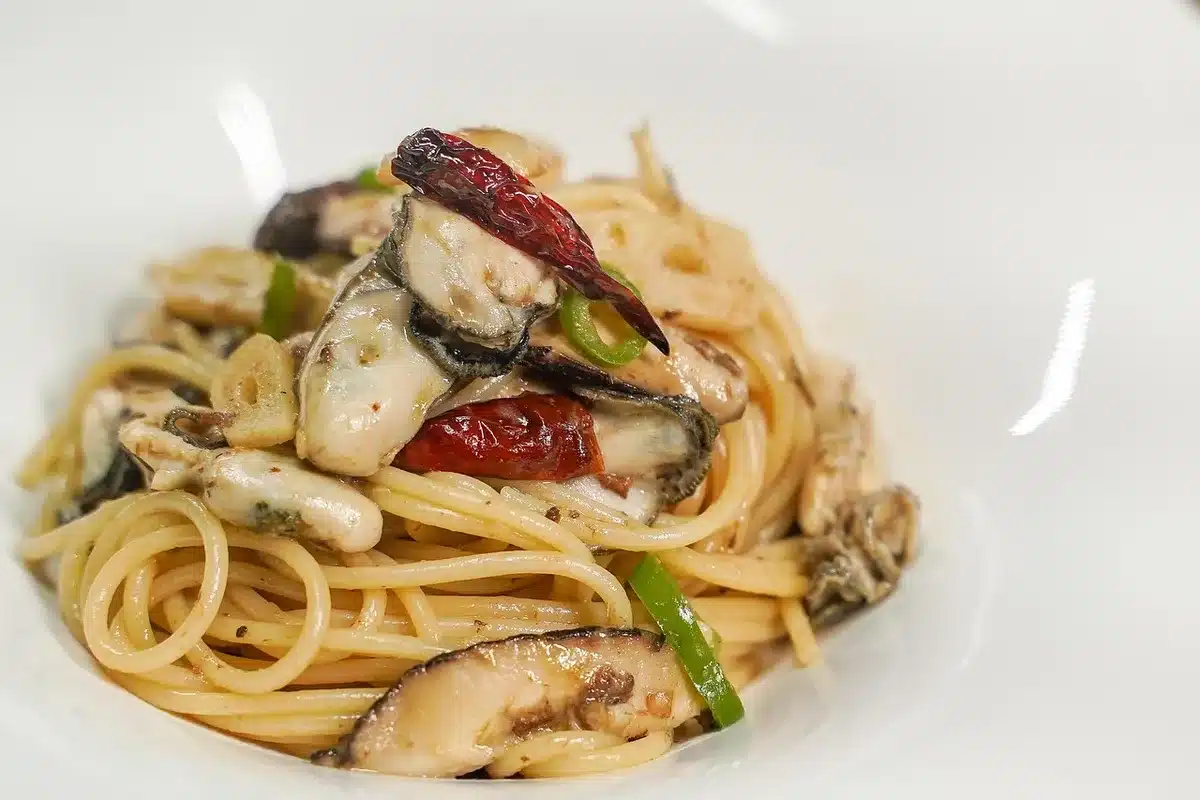
Expect playful combinations — crisp rice textures alongside cured seafood, bold vinegars and spice — that reflect a city-wide momentum for inventive, risk-taking dining. Lorn’s voice and style have helped push Philadelphia further into the national conversation.
Aaron Lopez — Ursa (Tucson)
Ursa is a high-concept, terroir-driven restaurant rooted in the Sonoran Desert. Lopez, who researched ingredients and techniques across borderlands communities, presents a tasting menu that elevates foraged plants, local beans and Indigenous methods.
Dishes often arrive with minimal embellishment to foreground native flavors — cactus fruit, pit-roasted goat, tepary beans — delivered through a $150 multi-course format that reads like a field guide to the region’s palate. The project signals growing interest in place-based fine dining outside major coastal cities.
Why this matters this year: these openings show a broader trend in 2026 — diners are seeking authenticity and storytelling as much as technique. Intimate counters, prix fixe rituals and region-specific sourcing force a rethink of reservations, budgets and how restaurants market culinary heritage.
| Chef | Restaurant | City | Focus / Notable feature |
|---|---|---|---|
| Laura Ozyilmaz | Maria Isabel | San Francisco | Mole and coastal Mexican traditions; female makers and ceramics |
| Carlos Delgado | Maru San | Washington, D.C. | Nikkei seafood counter; 25-seat tasting counter with rare seafood |
| Amir Hajimaleki | Roya | Austin | Persian sofreh prix fixe; family recipes and tea service |
| Phila Lorn | Sao | Philadelphia | South/Southeast Asian oyster house; genre-mixing plates |
| Aaron Lopez | Ursa | Tucson | Sonoran Desert terroir; Indigenous techniques and foraged ingredients |
Practical takeaways for readers: if you want to dine at these spots, start by checking reservation windows early and consider prix-fixe experiences that differ from conventional à la carte visits. For travelers, these restaurants are now compelling reasons to prioritize particular cities on a food trip.
- Reservations: expect limited seating and early sellouts at counter-style venues.
- Price expectations: many of the most notable meals are offered as tasting menus; plan accordingly.
- What to look for: emphasis on regional ingredients, family recipes and collaborations with local producers.
These chefs were singled out as part of this year’s awards and reflect a moment when kitchens are more explicitly rooted in place and memory. For diners and industry watchers alike, their work is a useful barometer of where American restaurants are headed in 2026 — toward more intimate, story-forward dining and a deeper valuation of local and ancestral foodways.
Note: select award winners are participating in limited dining partnerships and offers. For current availability and any guest benefits, check each restaurant’s booking channels or the awards organizer’s official announcements.
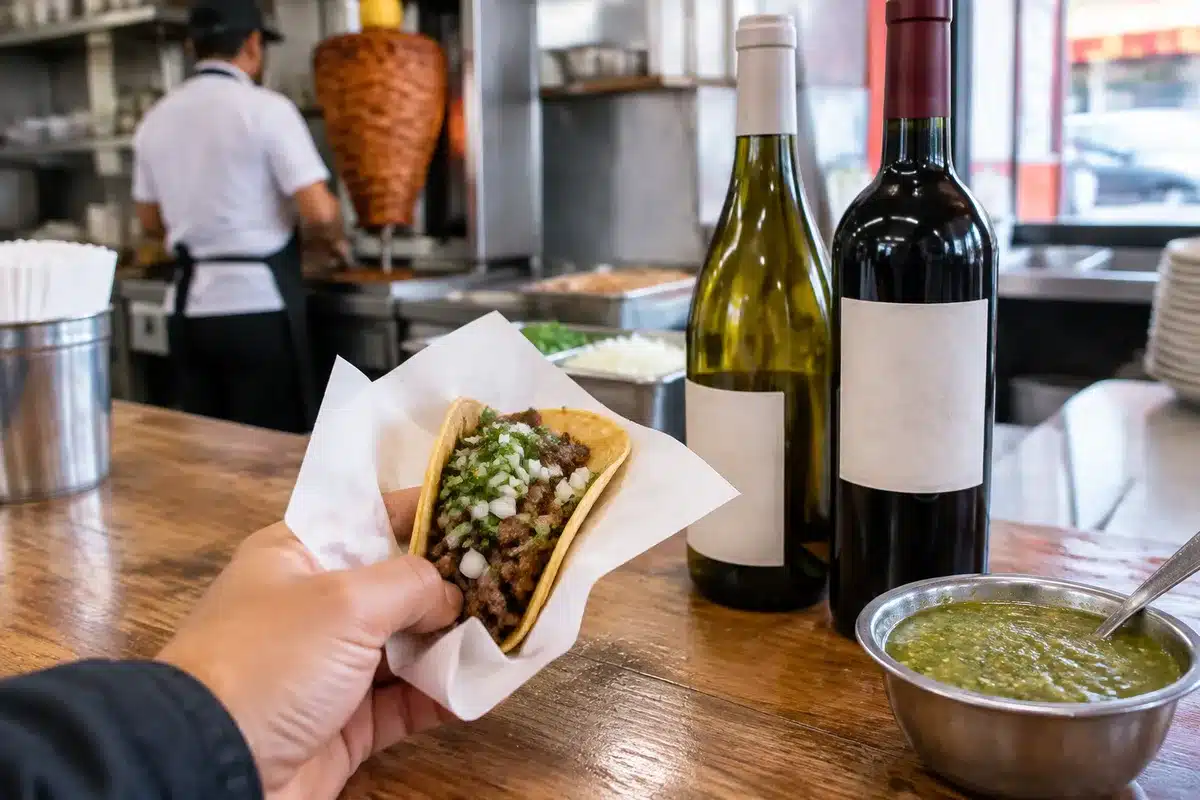
Taco wine pairings: Mexican chef reveals best bottles for every taco
New Hope, Pennsylvania restaurants ranked: top spots locals are flocking to