Show summary Hide summary
A McDonald’s manager in Southgate, Michigan, sprang into action last week after a woman used the drive‑thru intercom to say her elderly husband was collapsing from low blood sugar. The quick intervention — handing the man juice with added sugar — likely averted a far more serious outcome.
Quick thinking at the window
Susan Causey told local reporters she had picked up her 84‑year‑old husband, Ron, from a senior center when he became weak and unsteady. Fearing he was slipping into a diabetic coma, she pulled up to a nearby McDonald’s and warned staff over the intercom.
Provincetown restaurants ranked: where locals are lining up this summer
Best apples for pie revealed: baking experts name top varieties to buy now

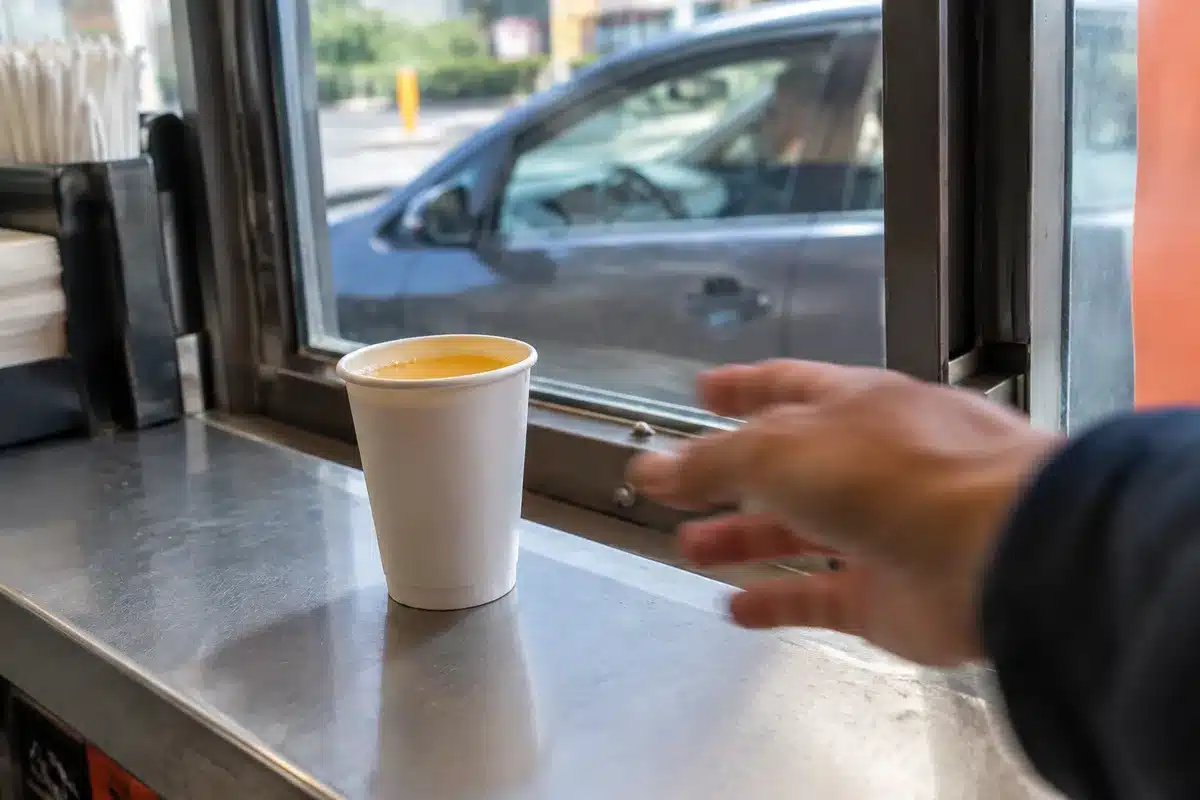
The store manager, James Dalpiaz, heard the plea and ran from the counter to the car. Rather than wait for medical teams, he prepared a large cup of orange juice and boosted it with extra sugar to raise the man’s blood glucose immediately.
Dalpiaz later explained that personal experience — caring for a relative with diabetes — helped him recognize the signs and act without hesitation. Causey publicly thanked him, and others in the community quickly praised the manager’s response.
Why this matters now
Episodes of severe hypoglycemia can escalate quickly, especially in older adults. Timely administration of a fast‑acting sugar source can restore consciousness and prevent emergency complications, while delayed treatment can lead to hospitalization or worse.

- Recognize the warning signs: confusion, sweating, shakiness, slurred speech, or reduced coordination.
- Give fast sugar if the person is alert — examples include juice, glucose tablets or candy. Orange juice is a common, effective option.
- Do not give anything by mouth if the person is unconscious or unable to swallow; this can cause choking.
- Call 911 if symptoms are severe, do not improve after sugar, or the person loses consciousness.
- Stay with the person and monitor breathing and responsiveness until help arrives.
Health professionals emphasize that while immediate sugar can be lifesaving, emergency services should be contacted whenever there is doubt about the patient’s condition.
Broader implications
Incidents like this highlight two practical points: the value of public awareness about treating low blood sugar and the potential impact of bystander intervention. Employees in high‑traffic, customer‑facing roles may encounter medical emergencies and can benefit from basic training in how to respond safely.
At the same time, family caregivers are reminded to carry quick sources of glucose and to let others know about a loved one’s diabetes, especially before outings.
Dalpiaz described the attention he received as humbling, saying he simply did what he believed was right. For Causey and her husband, the swift action made the difference between a frightening collapse and a recoverable medical episode — an outcome residents and local media have since applauded.
Michigan McDonald’s manager saves customer in diabetic emergency with fast action
Vanilla sodas tested: which brands to buy and which to avoid