Show summary Hide summary
Sushi Salon in Oakland quietly stands out not for a flashy dining room but for the unusually deep ties it has to Japanese ingredient makers — a rare factor that reshapes what a West Coast sushi counter can offer today. Since becoming a permanent spot in 2023, the seven-seat omakase bar has become a place where uncommon fish and old-school craft converge, giving diners a distinct alternative to the city’s larger sushi rooms.
Chefs Joji Nonaka and Anna Osawa, who previously worked at Alameda’s Utzutzu and other Bay Area kitchens, launched the pop-up that evolved into Sushi Salon. Their small counter—about 500 square feet—keeps the focus firmly on technique and provenance: Nonaka prepares each piece in view of guests while Osawa handles desserts and the drink program.
Sourcing is a defining feature. Much of the seafood arrives via broker Hasegawa Hiroki, based in Kanagawa Prefecture, who has built a reputation for championing sustainable and lesser-known species. Hasegawa’s work earned him the Innovation Award from the Gault & Millau guide in Japan in 2024, and Sushi Salon is reportedly his only regular U.S. partnership. That connection allows the menu to include fish you rarely see on American counters.
Sushi salon draws diners with must-try fish creations
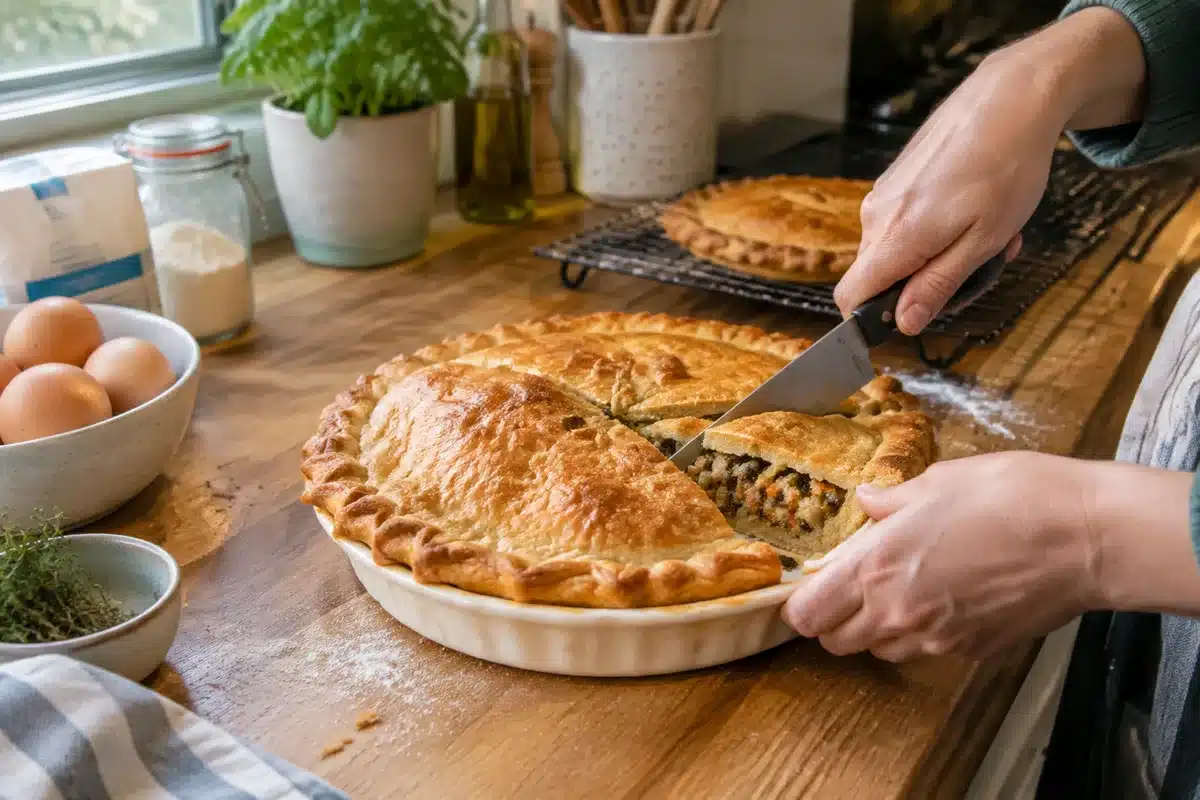
9 homemade savory pies to try now: ditch frozen for real flavor
Another touchstone is the kitchen’s use of traditional akazu—red vinegar—from Iio Jozo, a vinegar brewery founded in 1893. The producer received the Tradition Award in 2026 from Gault & Millau (noted by Savor Japan) for preserving culinary heritage; at Sushi Salon the vinegar is a subtle but consistent thread through the rice and seasoning choices.
The setting
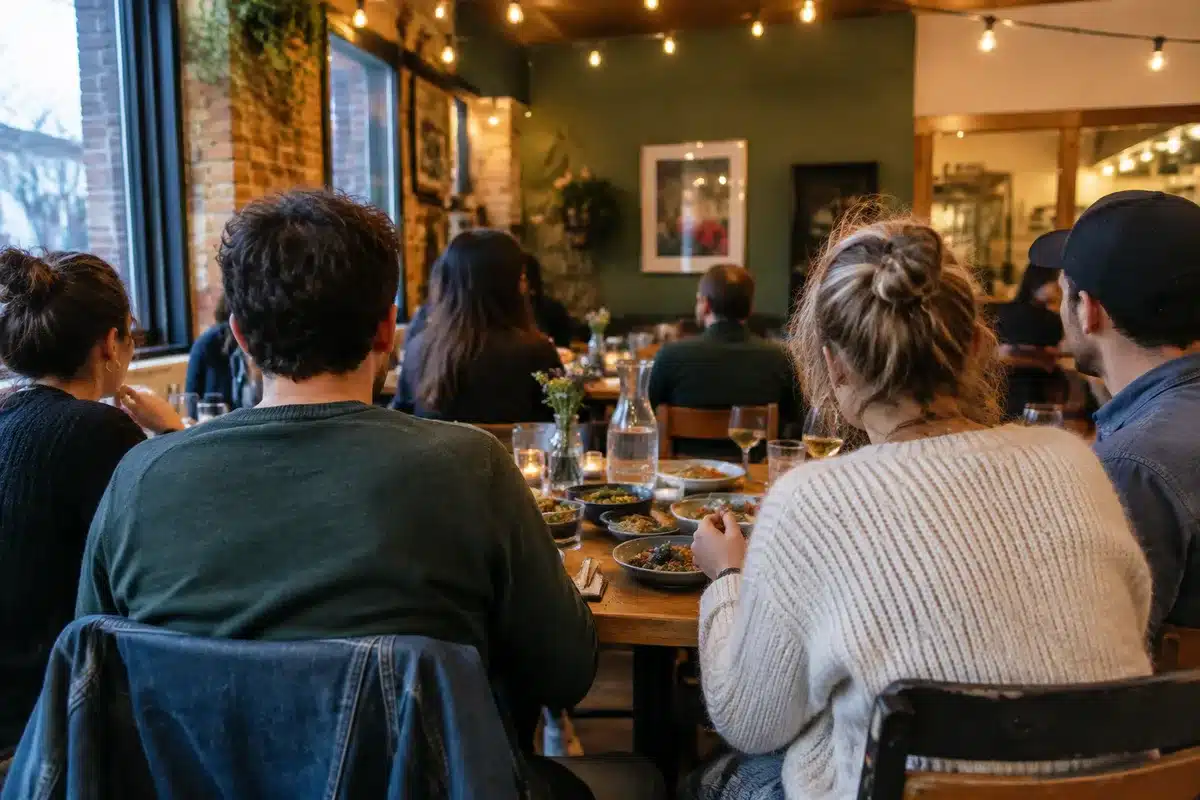
The room is spare and sunlit, with a light wood counter that seats just seven. It’s a compact stage: you watch knives move, see fresh wasabi roots grated at service, and hear the quiet explanations that accompany each course. Few decorations distract from the food—the presentation stays deliberately restrained so attention returns to the fish and the conversation at the bar.
Omakase and standout bites
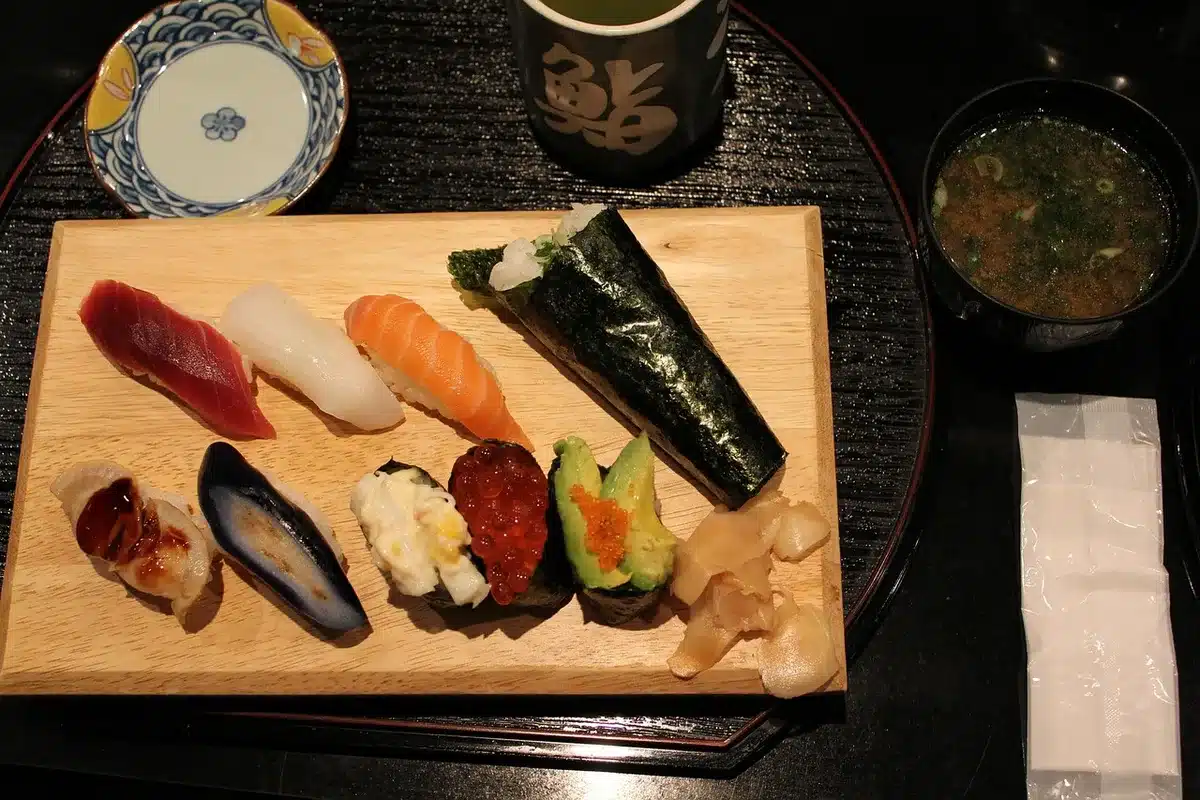
Sushi Salon serves a single 17-course tasting for $245 per person. There are no menu swaps aside from beverage selection, which keeps the experience tightly curated around what arrives from the broker and what’s in season.
- Range: The lineup mixes rare species—crescent sweetlips, snake mackerel, belt fish, unicorn leatherjacket—with familiar cuts such as uni, chutoro and maguro.
- Notable pairings: An early maguro course came dressed with a Kalamata-olive based sauce and topped with shiso—an unexpected savory-olive note that complemented the tuna’s texture.
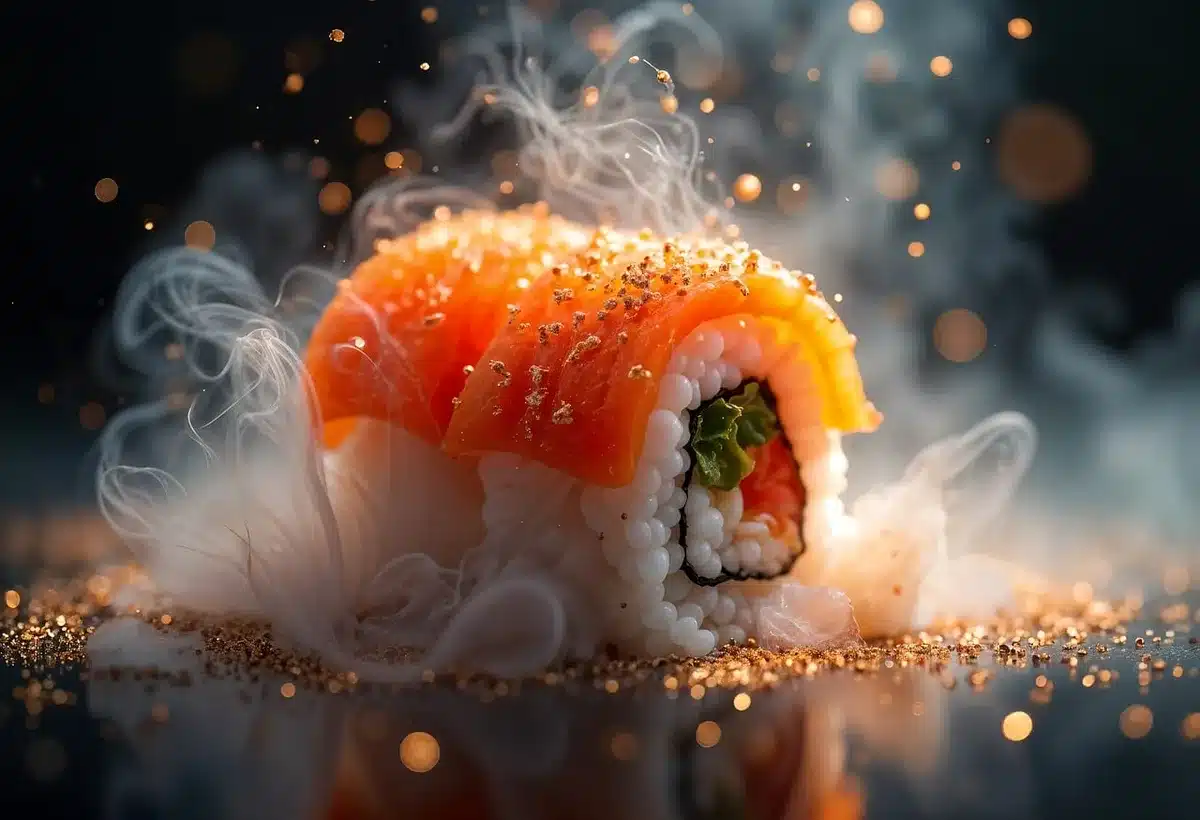
- Technique: A few fish are briefly torched on a blackened cedar plank for smoke and aroma before being placed on rice seasoned with akazu.
- Fresh wasabi: Sea bream served with sansho pepper and freshly grated wasabi offered floral, bright heat far removed from processed horseradish substitutes.
- Ikura encore: A final bite of rice and salmon roe wrapped in seaweed and finished with a whisper of lemon zest proved exceptionally bright and balanced.
Drinks and limited selections
Sake options are a clear focus: the restaurant offers a “classic” sake pairing for $85 and a domestic sake flight for $48. Individual pours generally run under $20; a junmai daiginjo from Brooklyn Kura was among the glass selections during a recent visit. Nonalcoholic choices include hot and iced teas and three organic sodas, one being a house spiced pineapple shrub soda.
For enthusiasts, pay attention to listings labeled “Limited.” During one service those included seasonal hiyaoroshi releases from Heiwa Kid and Shichida—bottles that often attract collectors and help frame the omakase as a moments-driven experience.
The takeaway
Sushi Salon is a deliberate, ingredient-forward omakase that will appeal most to diners who prize provenance and technique over theatrical dining theatrics. It’s not inexpensive, but the combination of Nonaka’s craft, Osawa’s hospitality, and access to unique Japanese suppliers makes it a noteworthy option for those seeking a distinct sushi counter in the Bay Area.
Carvel Hocus Pocus milkshakes hit shelves to kick off Halloween countdown
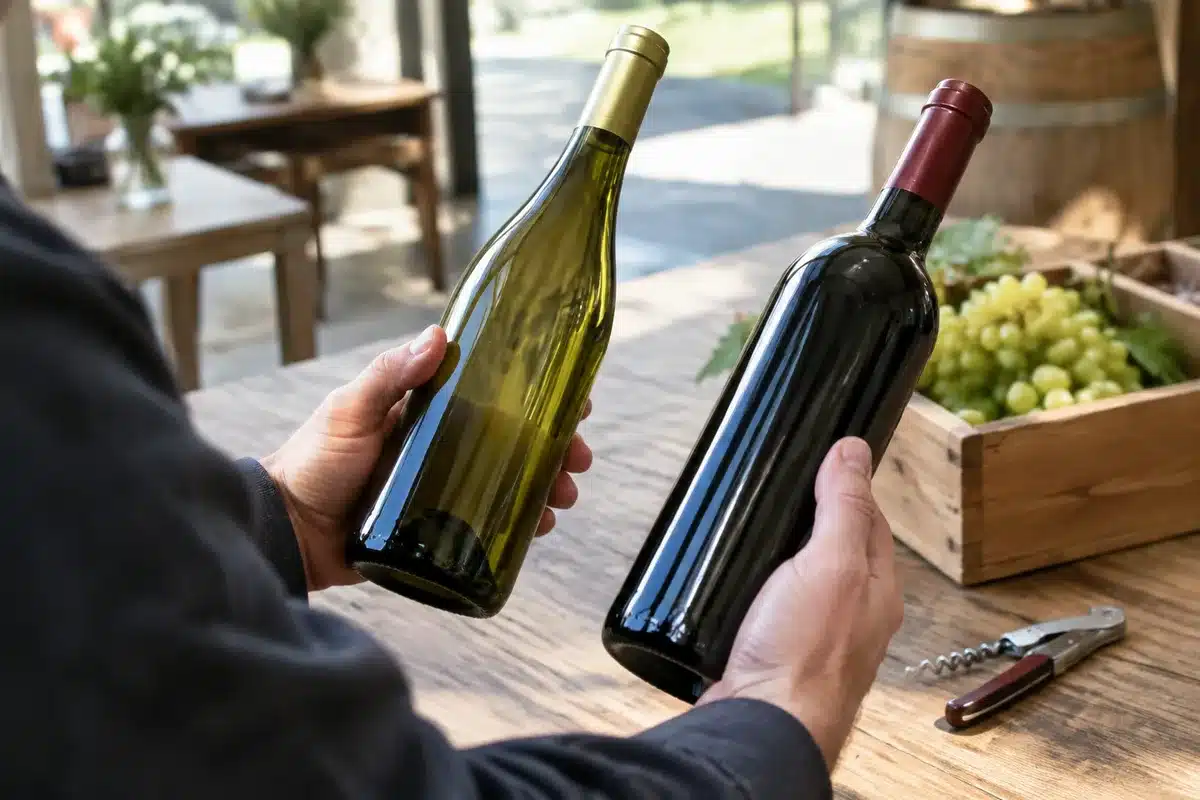
Costco Kirkland Sauvignon Blanc: New Zealand producer behind the popular Marlborough label revealed