Show summary Hide summary
Latin food brands are no longer a niche on supermarket shelves — they are reshaping pantries and menus across the country by mixing tradition with modern convenience. As shoppers seek bold, authentic flavors and makers push for greater visibility, a new generation of companies is translating family recipes into national products that matter for taste, culture and local economies.
Why these brands are gaining ground now
Consumers are looking for more than novelty: they want heritage ingredients, clear sourcing and products that fit everyday routines. That demand, combined with broader retail interest in regional specialties, has opened space for Latin-founded food brands to move beyond specialty stores into mainstream distribution. The result is easier access to staples once limited to immigrant communities and a wider reinterpretation of Latin cuisines for home cooks.
Latin food brands reshaping home kitchens: 4 companies bringing bold flavors and heritage
Frozen vegetables taste sweeter and cut prep time: the swap home cooks swear by
Four kinds of Latin food brands changing how we eat
Below are four representative profiles that illustrate current trends — from small-scale masa producers reviving heirloom corn to startups turning plantains into pantry snacks. Each vignette highlights what makes the company relevant and what it means for shoppers.
1. The masa revivalist: preserving corn, preserving flavor
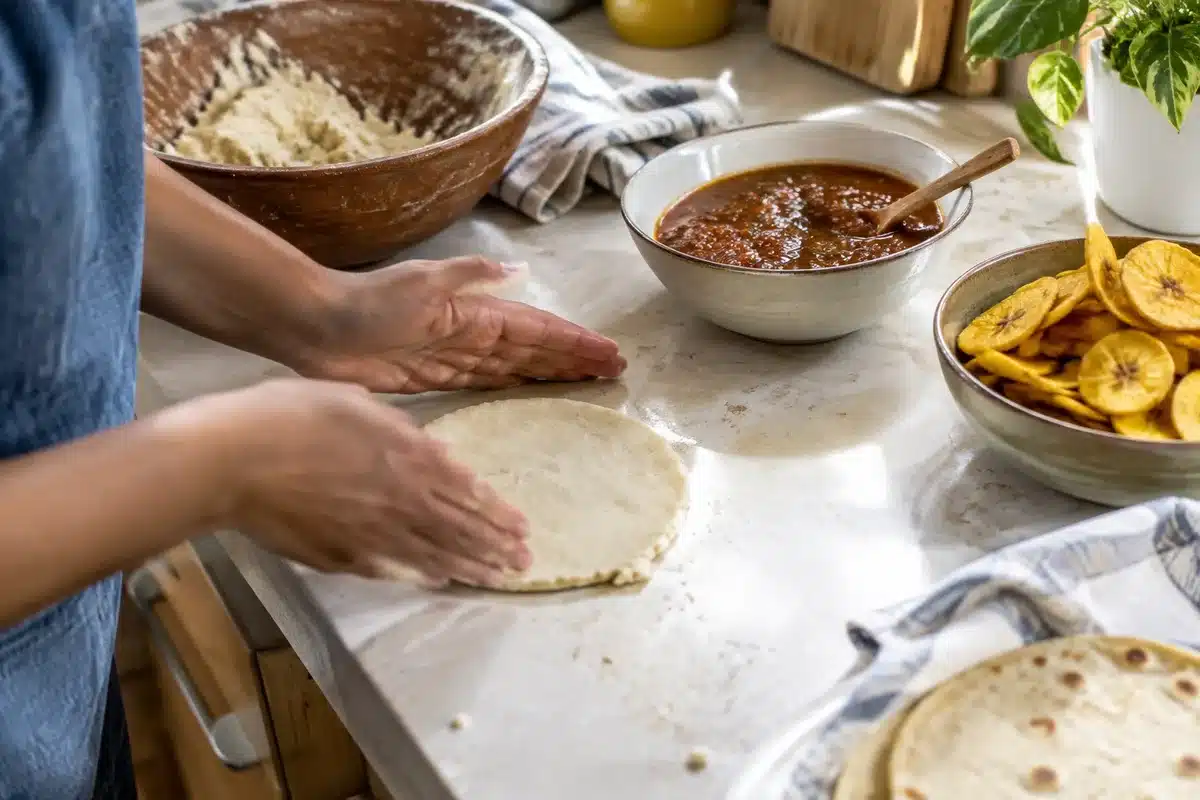
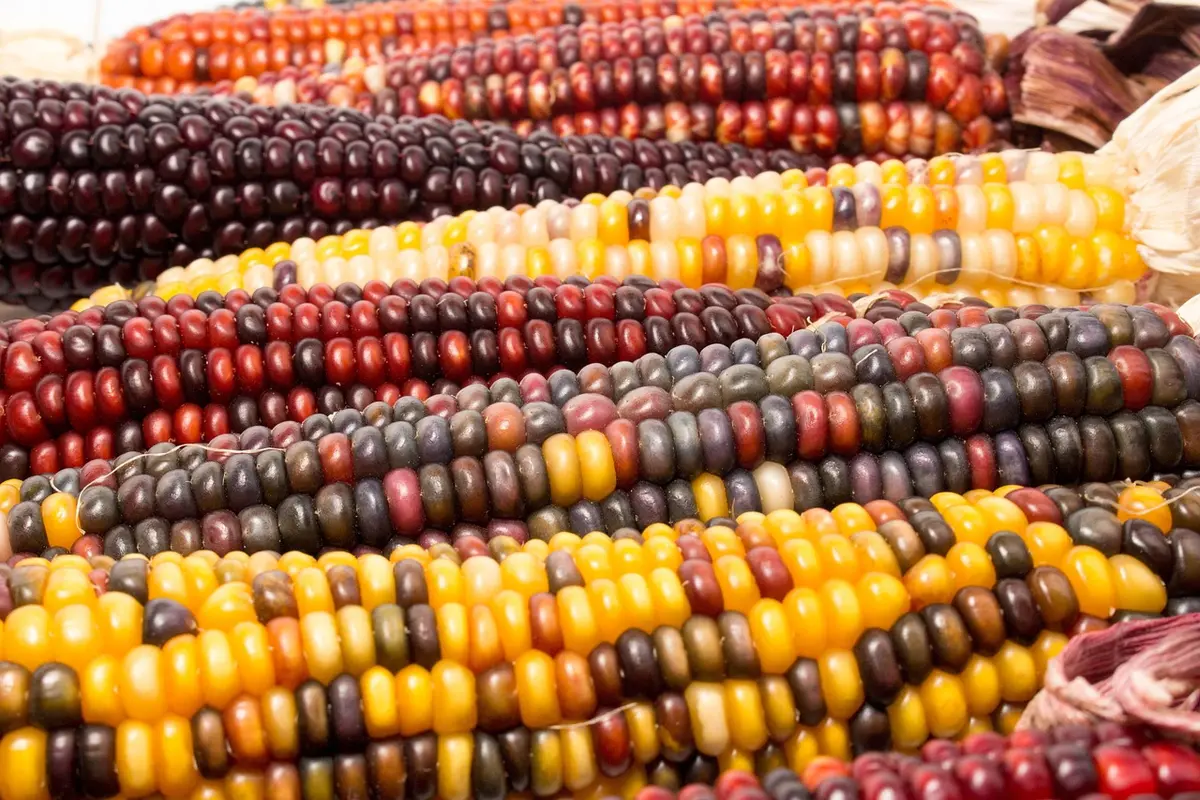
At the heart of many Latin kitchens is nixtamalized corn. Small producers focused on traditional masa are reintroducing heirloom varieties and time-tested milling methods, bringing a distinct aroma and texture to tortillas, tamales and arepas. These makers emphasize traceability — farmers, variety and processing — which appeals to cooks looking for authenticity and better flavor.
For consumers, that means fresher tortillas with a more complex corn character and products that support regional agriculture. Expect higher price points than mass-produced alternatives but noticeable differences in taste and cooking performance.
2. Small-batch condiments: fermented salsas and shelf-stable sauces
Brands producing fermented salsas, escabeches and slow-cooked sauces are translating artisanal techniques into jars and bottles that last on a pantry shelf. Fermentation adds depth and can increase shelf life without relying solely on preservatives. These companies often blend local produce with traditional spice blends to create condiments that pair with both classic and contemporary dishes.
Home cooks find these products useful for quick weeknight meals, and chefs appreciate their layered flavors as finishing touches. Because fermentation is both a flavor and preservation method, it’s become a selling point in product descriptions and marketing.
3. Plantain and cassava snacks: roots and snacks go mainstream
Snack startups are turning plantains, cassava and other Latin-rooted ingredients into thin chips and crisps suited to global tastes. These brands position themselves as alternatives to potato chips, emphasizing texture, natural sweetness and sometimes a healthier nutritional profile. Many also market gluten-free and grain-free attributes.
The commercial success of these snacks reflects a broader interest in diverse starches and a willingness among mainstream consumers to try unfamiliar ingredients when they are packaged as convenient, flavorful options.
4. Contemporary pantry brands: blending tradition with everyday convenience
Some companies take classic Latin pantry items — adobo, sofrito, mole — and reframe them for modern kitchens. They prioritize ready-to-use formats, clean-label ingredients and recipe suggestions that bridge traditional dishes and quick, contemporary meals. This approach helps people incorporate Latin flavors into breakfasts, pastas or grain bowls without a steep learning curve.
These pantry brands act as cultural translators: they lower the barrier to experimenting with new flavors while keeping a connection to culinary roots.
At-a-glance table: what each brand type delivers
| Brand type | Signature products | Why it matters | Buyer’s tip |
|---|---|---|---|
| Masa revivalists | Fresh masa, artisanal tortillas, specialty corn flours | Restores traditional flavors and supports heirloom agriculture | Use for handmade tortillas and tamales; expect to adjust hydration when substituting |
| Fermented condiments | Fermented salsas, escabeches, slow-simmer sauces | Offers complex flavors and longer shelf life with natural techniques | Start with small jars as flavor boosters for proteins and bowls |
| Root-based snacks | Plantain chips, cassava crisps, sweet potato snacks | Expands snack variety and introduces alternative starches | Pair with fresh salsas or use as a crunchy salad topping |
| Contemporary pantries | Ready sofritos, bottled mole, adobo pastes | Makes Latin flavors accessible for everyday cooking | Follow label serving suggestions, then experiment by adding citrus or herbs |
How to shop and integrate these products
- Look for clear sourcing and ingredient lists; transparency often signals small-batch care.
- Try one new item per shopping trip — a jarred sauce, a fresh masa pack or a sack of plantain chips — to learn how it fits your cooking.
- Consider price relative to quality: artisan techniques and regional sourcing typically cost more but can deliver noticeable flavor gains.
- Use these items as building blocks: a spoonful of sofrito can transform a simple soup; a fermented salsa can dress roasted vegetables.
As these brands move from specialty counters into larger chains and online marketplaces, they reshape everyday cooking by making Latin flavors more accessible and by spotlighting the people and traditions behind the food. For shoppers, that means new tastes in familiar formats and more opportunity to connect meals with cultural stories — all without adding extra time to the weeknight routine.
Andy Puzder blasts White House over gas spike: doubts claim that relying on OPEC lowers emissions
Cheap American beer under $10: top 6-pack buys to stock up now