Show summary Hide summary
Pizza is quietly shifting from a city specialty to a national staple: thin, crisp pies cut into squares are showing up on bar menus and in new pizzerias from coast to coast. That matters now because this easy-to-share style is reshaping how restaurants design menus, how bars keep customers longer, and what Americans expect from casual dining.
In Portland, Brittany and Brennan Grosvenor—who grew up in Chicago suburbs—say their childhood Friday-night orders weren’t the deep-dish often associated with the city, but the thin, weeknight pie families reached for. At their shop Proof, they’ve leaned into that form, while many other restaurateurs have made similar moves, translating Midwestern habits for new audiences.
What defines the style
The basic markers are consistent: a very thin, crisp crust, toppings stretched to the edge, and a distinctive way of slicing. Rather than wedges, these pizzas are often cut into small squares so a crowded bar or a table of friends can each take a bite without juggling plates. Depending on where the recipe comes from, the sauce may be sweet or on the spicier side, but the appeal is the same—lightness and crunch over density.
Latin food brands reshaping home kitchens: 4 companies bringing bold flavors and heritage
Frozen vegetables taste sweeter and cut prep time: the swap home cooks swear by
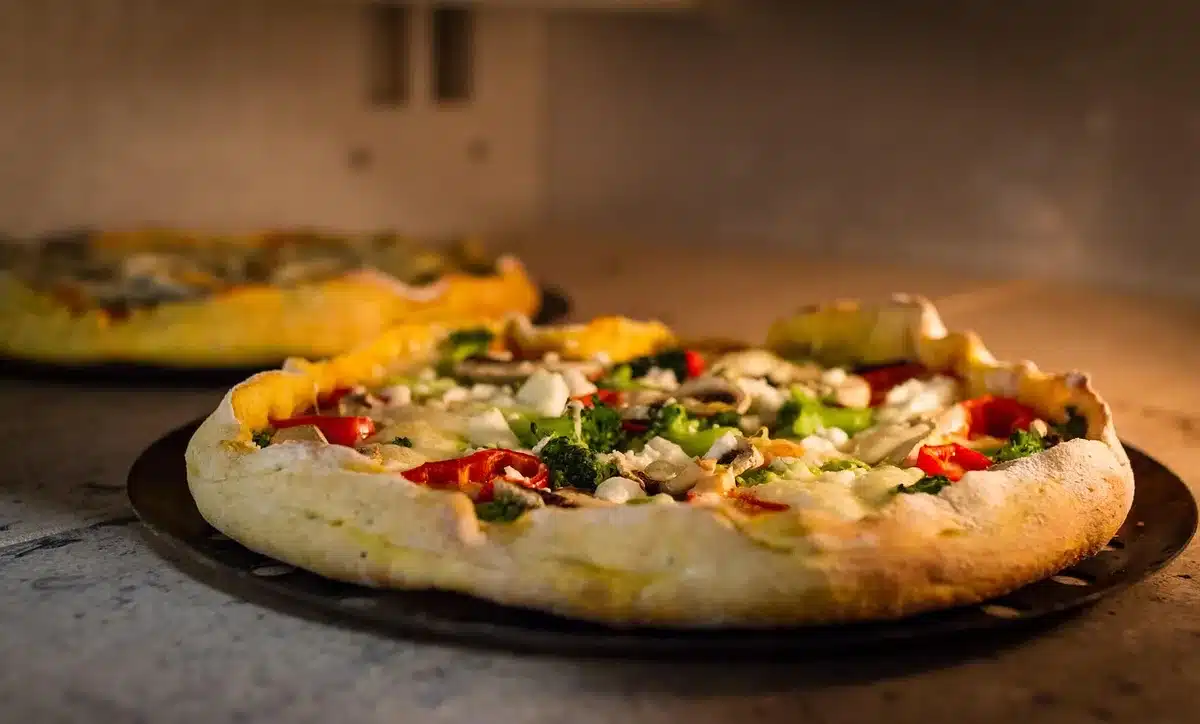
Chicago natives and restaurateurs often describe the format as focused on sharing and simplicity. Bradley Shorten, who runs Kim’s Uncle Pizza and La Merna, says the grid cut makes the pie ideal for drinking crowds: each little square generally carries some of every ingredient, and the pieces are easy to eat with a napkin if you’re standing at the bar.
How chefs are adapting regional roots
As the style spreads, chefs are blending its regional lineages. Mike Fadem of Ops—known for Neapolitan-style pies—created a crispy, whole-grain take he calls the “tavernetta,” inspired by thin-crust traditions from St. Louis and New Jersey but refined for New York palates. His experiment shows how tavern-style pizza can be a palette for local reinterpretation rather than a strict replica.
Bars are also treating this pizza as a retention tool. Brynn Smith of Los Angeles’ Bar Next Door added “bar pies” baked by a nearby pizzeria to encourage guests to linger and order more drinks, turning a simple slice into an on-trend tactic for boosting sales and atmosphere.
Where to try it (not exhaustive)
- Proof (Portland, OR) — Thin, Chicago-rooted pies and Midwestern sides meant to recreate a tavern menu.
- La Merna (Washington, D.C.) — A bar-forward space with a Midwestern dive-bar feel and shareable squares.
- Ops (New York City) — Sourdough-forward pizzeria offering a crisply finished “tavernetta.”
- Keepers (New York City) — A recent entrant tapping into tavern-style popularity.
- One Trick Pony (Fort Worth, TX) and Tillie’s Tavern Pizza (Wheat Ridge, CO) — Examples of the style’s rapid spread beyond the Midwest.
Why the trend is taking hold
The adoption of tavern-style pies links to a broader appetite for places that feel familiar and comfortable. Restaurateurs aim to create rooms where guests relax for hours—wood paneling, shared plates, pitchers on the table—and pizza cut into squares fits that social model. For many operators, adding Midwestern staples (think stuffed breadsticks or Italian beef) helps close the gap between novelty and nostalgia.

It also suits practical demands: the pies are economical to produce, simple to slice for large groups, and pair well with cocktails and beer—making them a fit for bars that want a food program without a full kitchen overhaul.
How to recognize a true tavern-style pie
- Crust: cracker-thin, crisp rather than chewy.
- Slicing: typically grid-cut (sometimes called the party cut) into small squares.
- Toppings: spread to the edge so each bite includes sauce, cheese and toppings.
- Texture: lightness and snap on the first bite, not the heavy chew of deep-dish or pan pizza.
- Pairing: designed for beer and cocktails; easy to eat standing or at the bar.
For diners, the takeaway is straightforward: if you want a crowd-friendly, low-fuss pizza for groups or a late-night bar snack that won’t weigh you down, look for places billing bar pies or tavern-style menus. Expect regional twists—chefs are borrowing from Chicago, St. Louis, New Jersey and beyond—so the flavor profile will vary by neighborhood. The style’s rise suggests it won’t be a passing fad but rather a permanent option in the American pizza landscape.
Andy Puzder blasts White House over gas spike: doubts claim that relying on OPEC lowers emissions
Cheap American beer under $10: top 6-pack buys to stock up now