Show summary Hide summary
A compact mango-and-tea stand in Historic Filipinotown has become one of Los Angeles’s latest food-line phenomena, drawing long queues most afternoons. What began as a low-key side project focused on a single seasonal dessert has turned into a neighborhood ritual — and a case study in how a short social video can upend a small business overnight.
From small experiment to daily sell-outs
Apinatt Watthanavanit started serving mango sticky rice in May 2026, expecting to operate quietly for nearby residents. Within months, a short video posted in August by creator Aysha Harun pushed the stand into wider view; the clip garnered tens of thousands of likes and transformed modest daily traffic into regular sell-outs.
The operation remains intentionally minimal: two people run the stand, offering a compact menu of **mango sticky rice** and **Thai tea**. Demand has been brisk — Watthanavanit reports the quickest sell-out at roughly 45 minutes — and lines often form before the stand opens at 4 p.m.
Inglewood lounge aims to draw year-round crowds: not just a pregame spot for Intuit Dome
Brown butter upgrade: golden nutty version elevates taste and versatility
Why the fruit matters more than the hype
Watthanavanit has anchored the business on one principle: fruit quality. He scouts and switches mango varieties as seasonality dictates, choosing whichever cultivar is at its peak rather than sticking to a single type.
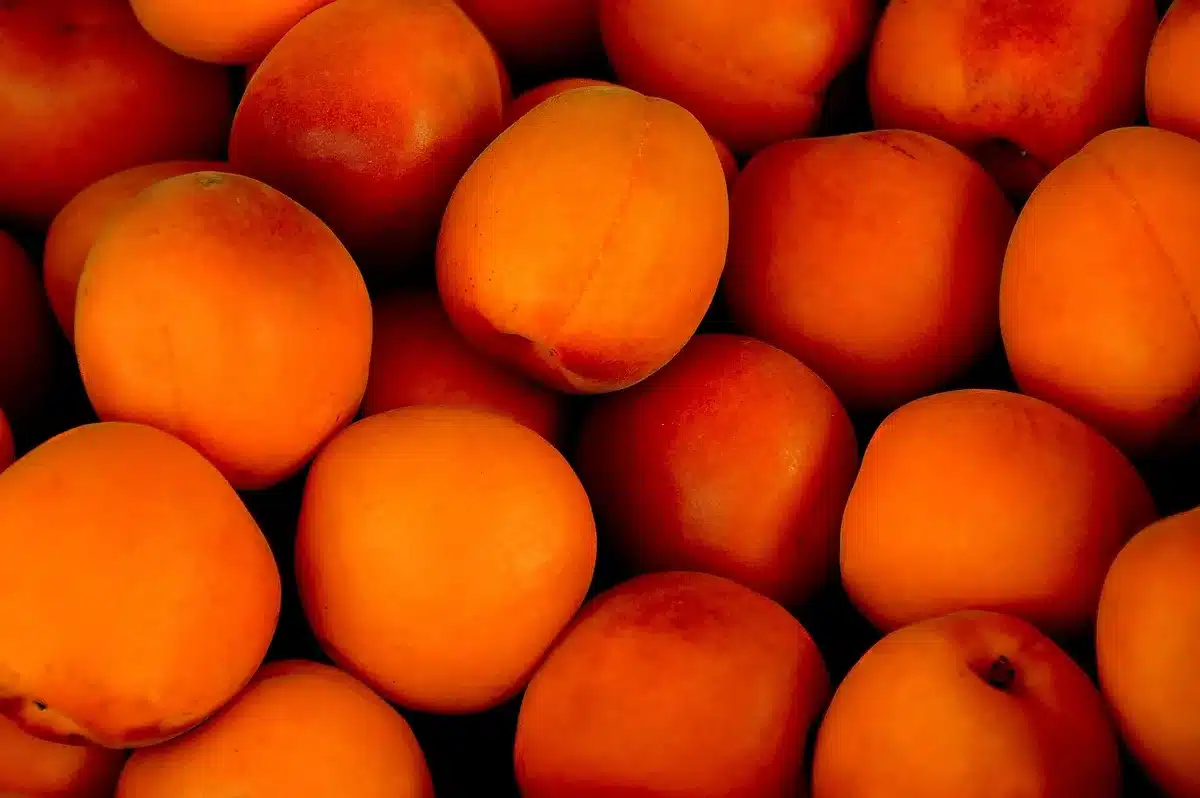
On any given day the menu board and handbills list the day’s mango variety and a note about its sweetness, signaling to customers that the stand prioritizes ripeness and balance over volume. The team cooks **sticky rice** fresh each morning and prepares a coconut cream sauce that leans into a measured sweet-salty profile — small changes that matter when a dish has only a few components.
Operations and limits
Because availability depends on the fruit, the stand pauses when mangoes aren’t of sufficient quality. Watthanavanit has framed the schedule around produce rather than strictly around dates: as long as the mangoes meet his standards, he’ll continue; when they don’t, service stops.
The stand currently operates from Tuesday through Sunday in a parking lot on West Temple Street, serving customers until the day’s supply is exhausted.
| What | Mango Sticky Rice Stand — focused menu (sticky rice, mango, Thai tea) |
|---|---|
| Address | 2006 W. Temple Street, Los Angeles, CA 90026 (Historic Filipinotown) |
| Hours | Tuesday–Sunday, from 4:00 p.m. until sell-out |
| Why sell-outs happen | Limited daily production + seasonal mango availability + social media demand |
Practical tips for visitors
- Arrive early — the stand often vanishes within an hour on busy days.
- Check notices at the line for that day’s mango variety and sweetness level.
- If mangoes aren’t ripe, the stand may only serve **Thai tea** — plan accordingly.
What this says about LA’s food scene
The stand’s trajectory underscores two broader trends: the power of short-form social media to propel tiny food concepts, and a growing appetite among diners for single-purpose, high-precision offerings. For owners, virality brings opportunity but also operational strain — sourcing consistently ripe fruit and maintaining quality under sudden demand are ongoing challenges.
Locally, the spot has become more than a quick dessert stop; it’s a weekly ritual for some neighbors, a gathering point for students and workers, and a reminder that seasonality still drives many of the city’s most talked-about bites.
Zero-sugar coffee creamer flops: shoppers warn against popular store brand
Indian recipes: slow-cooked depth, ready in under an hour