Show summary Hide summary
If you want apples that stay crisp and juicy beyond a few days, how you handle them at home matters more than the variety. Recent hands-on storage trials show that simple choices — whether you wash them, seal them, or chill them — change how long apples keep their texture, flavor and moisture.
How the tests were run
Over several weeks, we tracked dozens of apples through a range of everyday storage scenarios: rinsed vs. left dry, placed in open air vs. kept in bags, and stored at room temperature vs. refrigerated. Measurements focused on texture, visible shriveling, and a quick taste check for juiciness and off-flavors. The goal was practical: identify methods anyone can use to reduce waste and keep apples tasting fresh.
Inglewood lounge aims to draw year-round crowds: not just a pregame spot for Intuit Dome
Brown butter upgrade: golden nutty version elevates taste and versatility

What mattered most
Three factors consistently determined outcomes: temperature, humidity and surface moisture. Cold slows the ripening process and limits softening; retained humidity prevents apples from shriveling; and excess surface moisture encourages decay. Managing those elements simply and reliably delivered the best results.
- Temperature: Chilling significantly slowed softening and flavor loss compared with counter storage.
- Humidity: Apples kept in a humid microclimate lost less weight and stayed crisper.
- Surface moisture: Washing introduces moisture that, if not dried, can promote rot—so timing of washing matters.
Practical storage recommendations
These are straightforward, evidence-based steps you can apply today using typical kitchen tools.
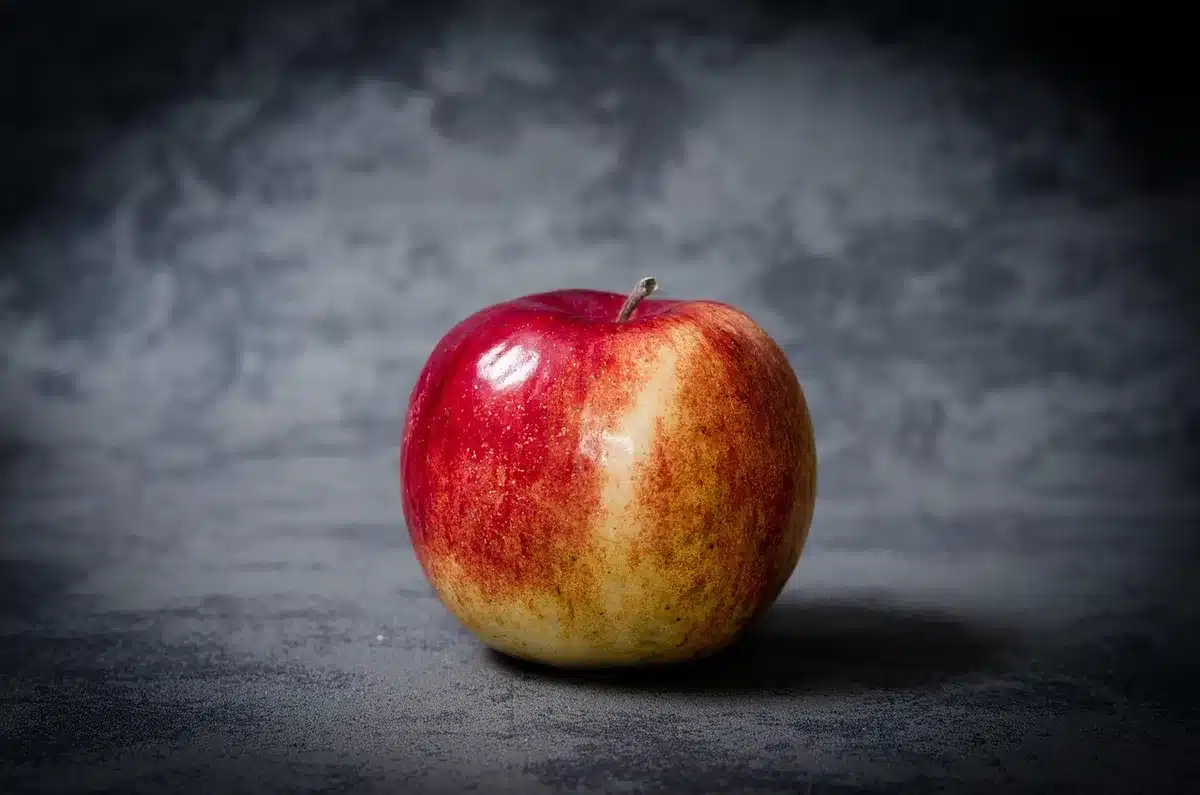
- Refrigerate most apples if you want to prolong crispness. Your refrigerator is the single most effective tool to slow ripening.
- Keep apples in a slightly humid environment — the crisper drawer or a perforated plastic bag works well to reduce shriveling without trapping too much moisture.
- Wash only before eating. Washing apples and then storing them damp increases the chance of mold and soft spots; dry handling preserves shelf life.
- Store apples away from other produce if you want to avoid accelerating ripening. Apples emit ethylene, a gas that speeds softening in nearby fruits and vegetables.
| Method | Best for | Typical result |
|---|---|---|
| Room temperature, unbagged | Short-term use (a few days) | Faster softening and moisture loss; convenient but limited shelf life |
| Refrigerator crisper, perforated bag | Keeping apples crisp for weeks | Balanced humidity preserves texture without encouraging rot |
| Refrigerated, sealed plastic bag (no holes) | Very short-term if air is trapped moistly | Can retain moisture but increases mold risk if apples are wet |
| Washed then stored wet | None — avoid | Increased surface rot and soft spots unless fully dried first |
Small habits that make a big difference
Beyond the basic rules, a few simple household practices extended freshness in our tests. Dry apples thoroughly after rinsing and store them with the stem intact when possible; damaged or punctured fruit deteriorates much faster. Check stored apples weekly and remove any that show softening or mold — one bad apple really can spoil the bunch.
For those who buy in bulk or want to store heirloom varieties, separate the best-looking pieces for longer-term chilling and use bruised fruit first. If you want a faster ripening process for immediate use, keep apples at room temperature and away from the crisper drawer.
Why this matters now
With grocery prices and food waste on many minds, getting the most from a simple bag of apples is practical and cost-effective. Small changes in storage can stretch freshness by days or weeks, cutting waste and keeping snacks and recipes tasting their best.
Bottom line: for reliably crisp, juicy apples, rely on refrigeration, maintain gentle humidity, and wash only before eating. These habits require little effort but deliver a noticeable improvement in texture and flavor.
Zero-sugar coffee creamer flops: shoppers warn against popular store brand
Indian recipes: slow-cooked depth, ready in under an hour