Show summary Hide summary
Basket overflowing after a weekend at the orchard? As apple harvests reach their peak this season, the question shifts from “What do I do with all these apples?” to “How can I turn them into meals and preserves that actually get eaten?” Simple approaches now can save money, cut waste and fill the pantry with ready-made weekday staples.
Act quickly: freshness matters
Inglewood lounge aims to draw year-round crowds: not just a pregame spot for Intuit Dome
Brown butter upgrade: golden nutty version elevates taste and versatility
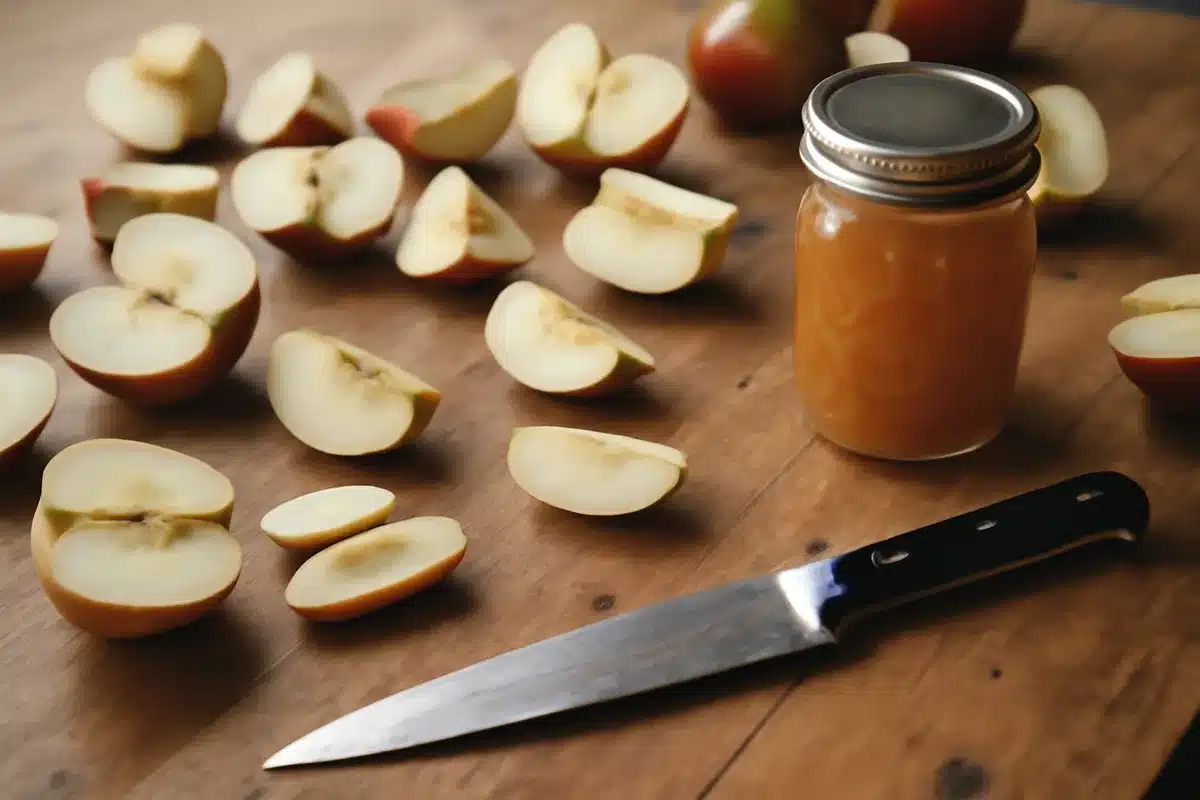
Apples bruise and soften fast once picked. The sooner you sort and plan, the more eating options you’ll have. Firm, crisp fruit will hold up in tarts and pies; softer or slightly bruised apples are ideal for sauces and butters.
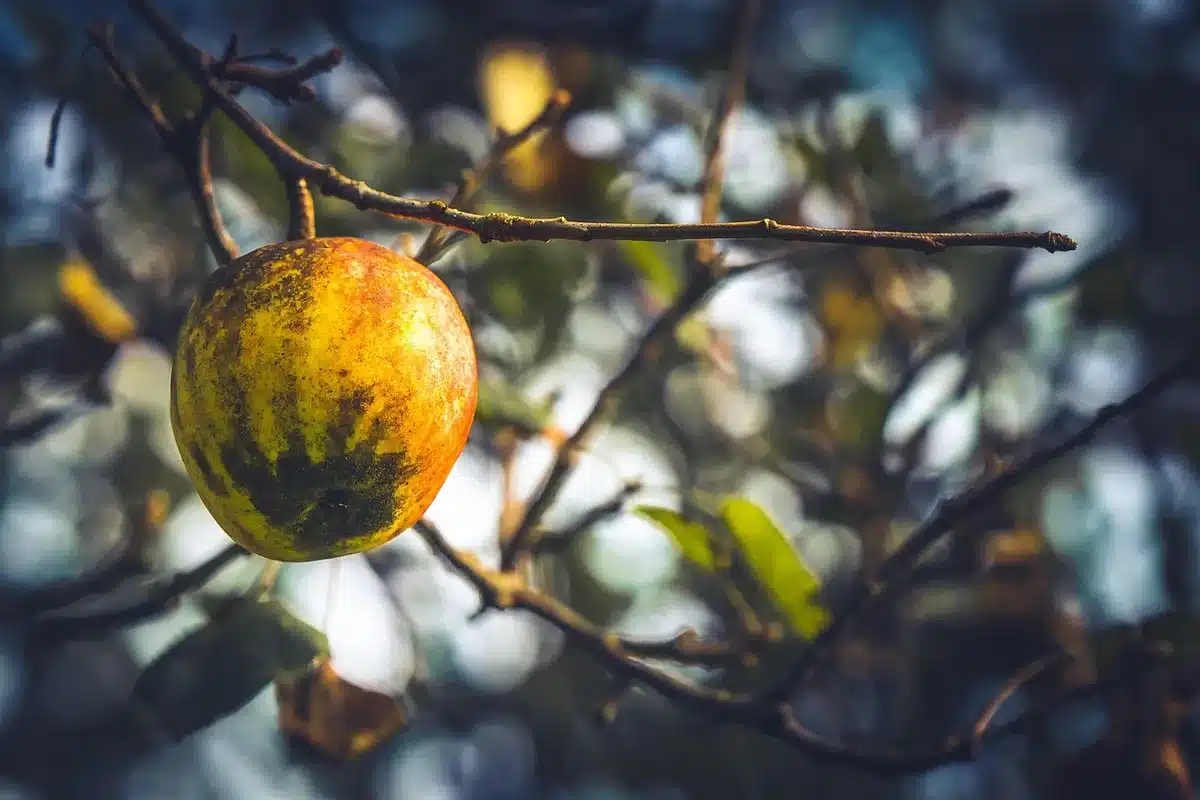
Decide within 48 hours whether apples will be eaten fresh, refrigerated, frozen, or preserved. That small timeframe has outsized consequences for texture and flavor down the line.
Quick wins — ideas to use apples today
- Pan-fried apple slices with butter and cinnamon — a fast topping for oatmeal or yogurt.
- One-bowl apple cake — uses chopped apples to keep the crumb moist; freezes well in slices.
- Stovetop applesauce — sweeten lightly and jar for the week or for baking later.
- Muffins or quick breads — grate or chop apples for even distribution and fewer soggy pockets.
- Simple chopped salad — add apples to greens with nuts and a sharp vinaigrette for contrast.
Preserve now, eat later
A small investment of time preserves most of an orchard haul and stretches enjoyment into winter. Below is a quick comparison to match method with your plans.
| Method | Best for | Storage life |
|---|---|---|
| Freezing | Slices for pies, smoothies, or compote | 6–12 months |
| Canning | Applesauce, pie fillings, chutneys | 12–18 months (unopened) |
| Dehydrating | Snacks, baking add-ins | 6–12 months in airtight jars |
| Fermenting/pressing | Cider, vinegar, hard cider | Varies — months to years |
Each method preserves different textures and flavors: freezing keeps structure for baked goods, while canning concentrates sweetness for spreads and desserts.
Savory and unexpected uses
Apples aren’t just for desserts. They add balance to savory dishes and can rescue meals that feel heavy.
Try them sliced into pork roasts, stewed into braises, or diced into grain bowls. Coarse-chopped apples mixed into stuffing bring aroma and acidity; caramelized apple rings complement sharp cheeses on a board.
Kitchen tips to extend value
Little techniques make a big difference when you want every apple to count.
- Stop browning: toss cut apples in a splash of lemon juice or a light syrup; blanching briefly before freezing helps texture.
- Use the right apple: keep tart varieties for baking and sauces, sweeter ones for eating raw or quick desserts.
- Label and rotate: mark dates on containers so older jars or bags get used first.
Beyond the food itself, using a full harvest reduces waste and stretches household food budgets. For community-minded households, a share of preserved apples makes a practical, appreciated gift.
When quantity overwhelms quality
If you’re still facing more fruit than you can handle, consider these next steps: donate fresh apples to a local food bank, trade extras with neighbors, or look for a nearby cidery that accepts community donations for pressing.
This season’s apples can become weeks of breakfasts, preserves that taste of fall in midwinter, and savory touches that refresh everyday dinners. A little planning today keeps those apples from becoming tomorrow’s compost.
Zero-sugar coffee creamer flops: shoppers warn against popular store brand
Indian recipes: slow-cooked depth, ready in under an hour