
Show summary Hide summary
Many noteworthy Canadian whiskies never make it onto U.S. retail shelves, leaving curious drinkers to rely on travel, special orders, or collectors to taste them. For anyone tracking new expressions or hunting unique bottlings, these labels are worth knowing—whether you sip them neat, mix them into crowd-pleasing cocktails, or add them to a tasting shelf.
Limited distribution reflects a mix of business choices: small-batch producers prioritizing local markets, brands holding back premium releases for domestic sale, and logistical hurdles around cross-border liquor shipping. The result is a handful of Canadian names that are widely admired north of the border but rarely seen in American stores.
| Brand | Why it’s scarce in the U.S. | What to expect | Best use |
|---|---|---|---|
| Sons of Vancouver | Small-batch, direct-to-consumer releases that sell out quickly | Rye-forward single cask and limited bottlings—pronounced spice and grain character | Neat or in contemplative sipper cocktails |
| Macaloney’s | Island distillery with tightly allocated releases and local focus | Triple-distilled single malt influenced by Scottish technique; coastal minerality | Single-malt tastings and whisky flights |
| Potter’s Special (Highwood) | Primary market is Canada; export limited to select lines | Affordable, mixing-friendly Canadian rye with varying reviews on drinking neat | Cocktails and highball-style drinks |
| Golden Wedding (Schenley) | Production now focused in Canada; modest export footprint | Light amber whisky, often used as a reliable mixer | Batch punches and long, refreshing cocktails |
| Highwood Ninety (20-year) | Limited-aged bottling, produced for domestic connoisseurs | 100% corn spirit with pronounced sweetness and layered complexity | Neat tasting or slow-sip occasions |
| J.P. Wiser’s (Deluxe and premium expressions) | Core blends reach the U.S., but premium/aged editions are often sold only in Canada | Range from approachable Deluxe blends to older, more refined releases | From mixed drinks to special-occasion pours |
| Sortilège Original | Maple-infused spirit with limited cross-border retail agreements | Maple-forward liqueur-whisky hybrid; sweeter, dessert-friendly profile | After-dinner drinks and culinary uses |
| Alberta Premium Legacy 10 | Premium reserve generally stocked for Canadian retailers | Well-aged rye with balanced sweetness and subtle oak influence | Neat, or blended at home for custom bottlings |
Sons of Vancouver
On Vancouver Island and beyond, Sons of Vancouver has become synonymous with tight-run distillations and bottles that disappear fast. Enthusiast communities often tip one another off when a new release drops; those who miss out typically look to cross-border buyers or secondary markets.
The distillery’s style leans toward bold, grain-driven expressions—many fans prize the rye influence and small-batch provenance. If you want a chance at a bottle, subscribe to mailing lists or join local spirits groups that monitor drops.
Macaloney’s
Macaloney’s combines island water with copper pot stills and a clear nod to Scottish single-malt tradition. Its production scale is modest, and the best chances to try a bottle are either visiting the distillery or ordering through Canadian specialty retailers that ship internationally when regulations allow.
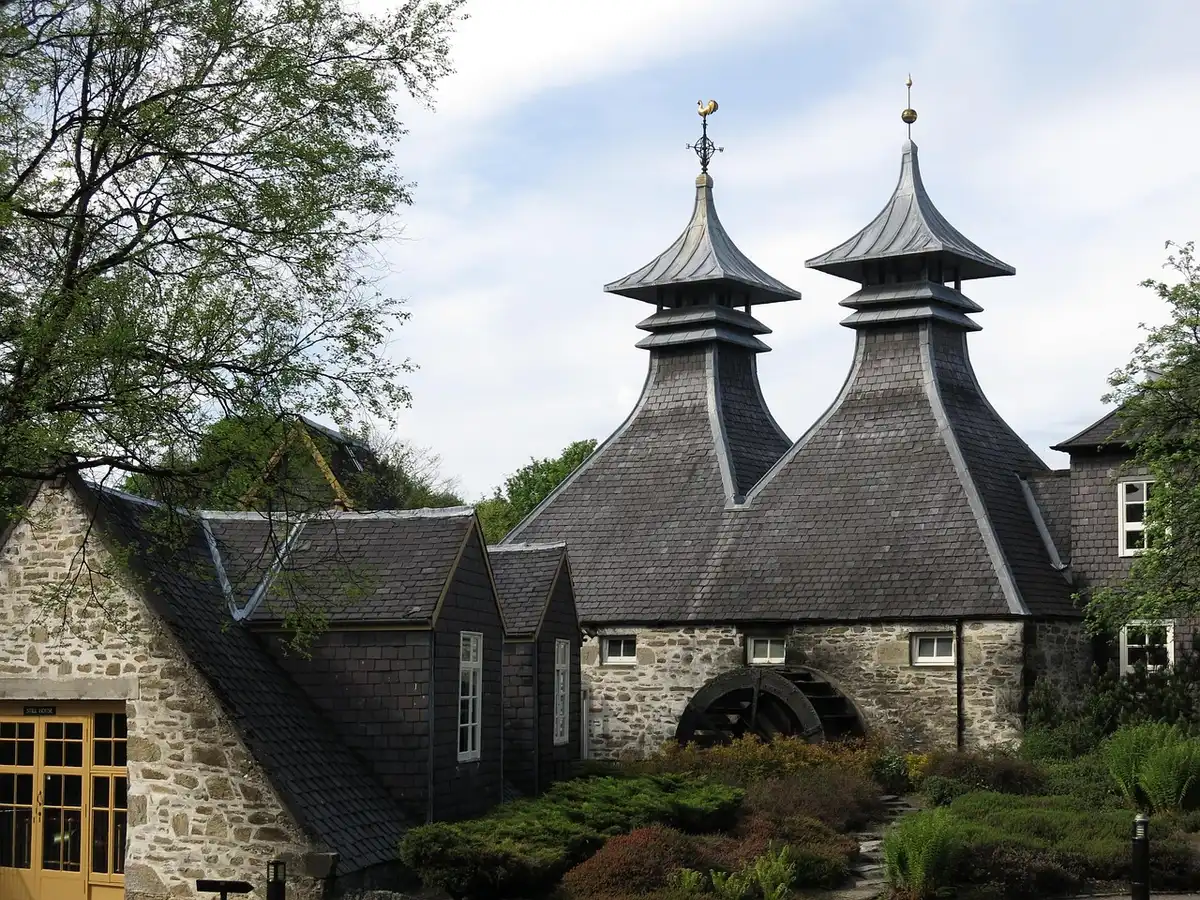
Visitors often report memorable distillery tours, where the process behind the spirit becomes part of the appeal. Those tasting the whisky at home often note floral and coastal notes layered on a clean malt base.
Potter’s Special Old Canadian Rye (Highwood)
Highwood Distillers produces several labels that see limited export. Potter’s Special is often recommended as an economical mixing whisky—opinions vary on sipping it neat, but it performs reliably in cocktails and highballs, especially with ginger ale.
For bartenders and hosts, these kinds of bottles are practical: they stretch a budget without sacrificing the spirit backbone needed for classic mixed drinks.
Golden Wedding by Schenley
Once an American-made brand, Golden Wedding’s contemporary production is primarily Canadian. The whisky’s straightforward profile and unmistakable packaging make it a go-to for mixers and bulk cocktail prep.
Light and slightly peppery, it blends well in crowd-size pitchers and retro-inspired cocktails that call for an easy-drinking base spirit.
Highwood Ninety — 20 Year Old
Unlike most Canadian ryes, the Highwood Ninety is distilled entirely from corn and aged two decades—a rarity that has earned it a devoted following among collectors. Its sweeter, mellow character sets it apart from more peppery rye-forward options.
Because availability is limited, expect to find this at specialty shops in Canada or through auction and private-sale channels among collectors.
J.P. Wiser’s Deluxe
J.P. Wiser’s is a large, recognizable Canadian brand; its core Deluxe blend appears in some U.S. markets, but higher-end, age-statement bottlings are often reserved for the domestic market. The brand’s premium releases showcase blending and aging techniques that appeal to aficionados.
Sortilège Original
Made with Quebec maple syrup, Sortilège sits between whisky and liqueur. Its sweetness and flavor versatility have led people to experiment with it in recipes ranging from desserts to coffee enhancements.
Because it’s a more regionally focused product, it’s typically easier to locate inside Canada or via specialty importers than on standard U.S. shelves.
Alberta Premium Legacy 10
While standard Alberta Premium expressions appear more broadly, the Legacy 10 and other reserve releases are largely held for Canadian retail. Tasting notes commonly highlight a measured sweetness and layered texture—attributes that draw collectors and home blenders.
- Visit distillery webstores or sign up for release alerts to catch limited drops.
- Look for Canadian specialty retailers that ship internationally, but check local import rules first.
- Duty-free shops and travel purchases remain reliable ways to bring bottles home legally.
- For cooking or mixing, some of these labels are excellent and offer good value even if sipping impressions vary.
For American whisky fans, these Canadian bottlings represent both a tasting opportunity and a reminder that national borders still shape what ends up on local shelves. Whether you’re expanding a personal collection or searching for a new cocktail ingredient, tracking these names can lead to interesting discoveries—and a better understanding of Canada’s diverse distilling scene.
Irish whiskey: approachable bottles new drinkers should try today
Fishtown restaurants ranked: must-visit spots locals are raving about










