Show summary Hide summary
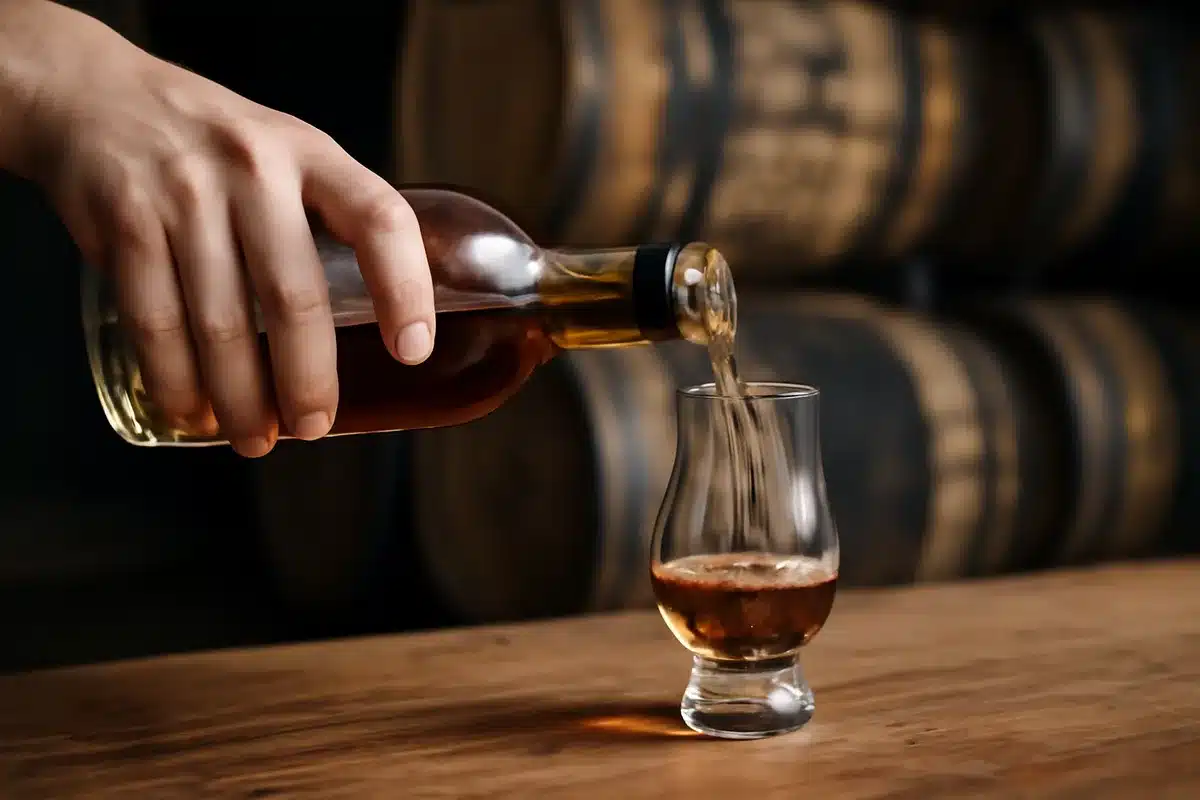
As bourbon prices climb and rare releases make headlines, many buyers assume higher cost equals better taste. Recent commentary from whiskey curators suggests that’s an unreliable shortcut: personal preference and production choices often matter more than the sticker price.
Chris Blatner, who runs the whiskey account @urbanbourbonist on Instagram, points out that what drives a bottle’s cost—age statements, limited runs, elaborate packaging or brand reputation—doesn’t automatically translate to a more enjoyable dram. In short: price can signal scarcity or marketing, but it is not a guaranteed measure of flavor.
What “expensive” actually pays for
Caramel, butterscotch, toffee: how their differences affect your desserts
McDonald’s rebrands Twitter to honor Bubba Wallace after his first NASCAR Cup win
At a production level, several concrete factors push a bourbon into the premium tier. Distilleries tie up barrels for years, and the longer whiskey sits in wood the more product is lost to evaporation—a cost producers must recoup. Limited or collectible releases also fetch higher numbers because they are rare by design.
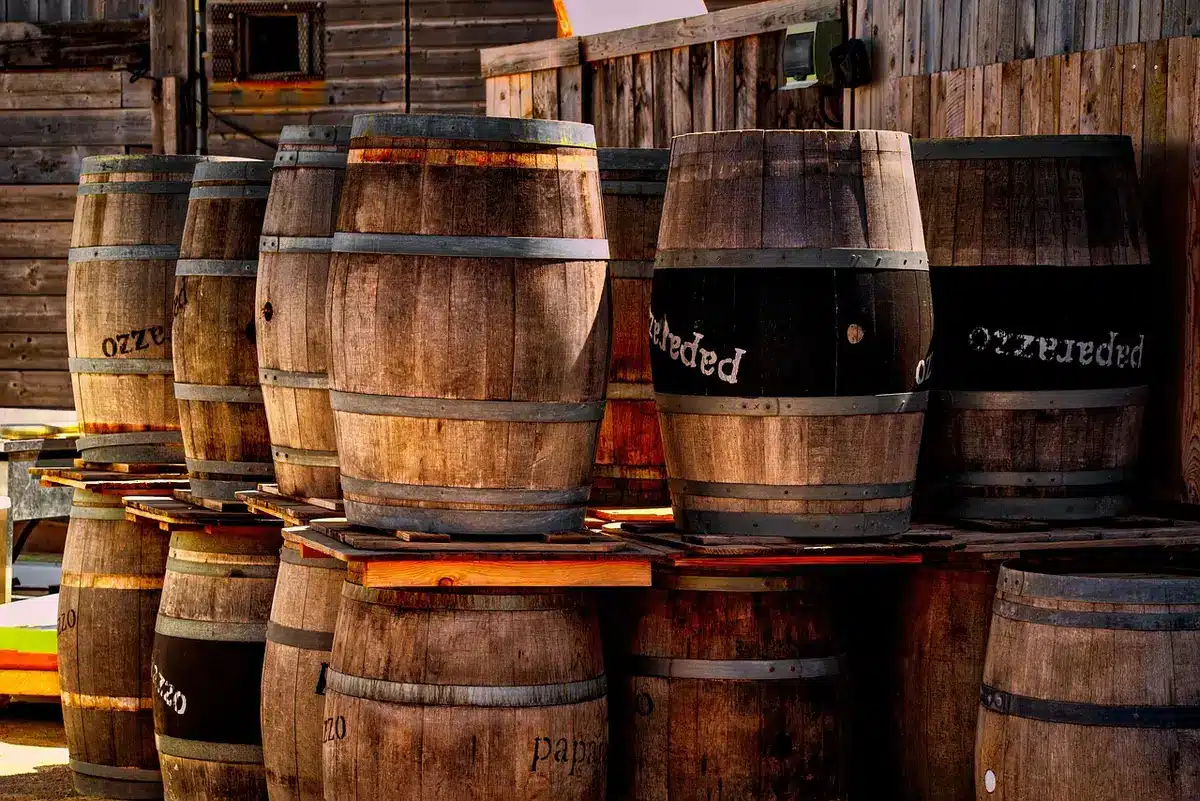
- Age and time in barrel — older whiskey typically costs more to produce.
- Scarcity and limited editions — small runs increase resale and retail value.
- Packaging and brand positioning — presentation and reputation affect the price tag.
- Production losses — evaporation and barrel discard raise unit costs.
That is why bottles like the highly sought-after Pappy Van Winkle command extraordinary prices: long aging plus constrained supply creates a market premium. But that premium reflects rarity and production economics as much as tasting quality.
Bourbon’s baseline — and where flavors diverge
By rule, bourbon is an American whiskey made from a mash dominated by corn, matured in new, charred oak and bottled at typical strengths between roughly 40% and 75% ABV. Beyond those limits, distillers play with mash bill, barrel choice and aging to create distinct profiles.
Two common style differences explain why a cheaper bottle can sometimes outshine an expensive one for an individual drinker. Bourbons with a higher proportion of rye in the mash — called high-rye — often register as spicier and sharper. Those made with more wheat — known as wheated bourbons — tend to be softer, rounder and more dessert-like.
Extended barrel time can deepen complexity, but it can also push a whiskey toward dry, tannic or overly woody notes. So a long-aged, high-priced bottle may delight collectors yet disappoint someone who prefers sweeter, fruit-forward sippers.
How to buy bourbon without overpaying for a taste you don’t want
Price can be a helpful signal when your aim is investment or collecting, but when flavor is the priority, a few practical habits make better sense.
- Try before you buy — order small pours at bars or tastings to learn which styles you prefer.
- Learn labels — look for clues about the mash bill, age statements and whether a release is single-barrel or blended.
- Start with lower-priced bottles from reputable distilleries; many deliver high-quality drinking experiences.
- Consider bottle size — sample-sized or half bottles reduce waste if a profile isn’t to your taste.
Experts often use terms like “complexity” or “depth” when praising expensive bottles, but those are descriptive preferences, not objective measures of quality. What matters most is how a bourbon aligns with your palate.
For consumers navigating a market shaped by premium releases and inflation-driven price shifts, the takeaway is timely: spend based on flavor goals, not just prestige. A thoughtful purchase strategy—sampling, reading labels and prioritizing tasting notes—will usually deliver better value than chasing the highest price tag.
Irish whiskey: approachable bottles new drinkers should try today
Fishtown restaurants ranked: must-visit spots locals are raving about