Show summary Hide summary
If dinner depends on frozen poultry, the way you thaw it can change both safety and flavor. I put the three thawing approaches the USDA endorses through real‑world kitchen tests — and ran the two other, more common practices people still use — to see which methods are reliably safe, which keep texture intact, and which are best avoided.
Testing focused on practical outcomes: how long each method takes, whether the meat thawed evenly, how the texture and surface moisture behaved, and what handling steps are required to stay safe. Below are the results and simple rules to follow so a last‑minute thaw doesn’t turn into a food‑safety problem or a dry dinner.
What I tested and why it matters now
With busy schedules and more people cooking at home, thawing shortcuts are tempting. But failing to handle raw chicken correctly increases the chance of contamination and ruins texture. I compared five approaches commonly discussed online: the three the USDA recommends — refrigerator thawing, cold‑water thawing, and microwave thawing — plus two risky practices I still see in households, thawing on the countertop at room temperature and using hot water.
Caramel, butterscotch, toffee: how their differences affect your desserts
McDonald’s rebrands Twitter to honor Bubba Wallace after his first NASCAR Cup win
Each method was performed on bone‑in and boneless chicken pieces, observing total time, evenness of thaw, surface temperature, and final cooked results. I paid special attention to the practical steps readers need to replicate the safer approaches at home.
Key findings — short version
- Refrigerator thawing is the safest and best for texture but requires planning.
- Cold‑water thawing is a fast, safe compromise if you change the water and cook immediately.
- Microwave thawing is quick but can partially cook edges and affect juiciness; cook right away.
- Thawing at room temperature or in hot water eats food safety and consistency — avoid both.
Method-by-method: what you should know
Refrigerator thawing
This method delivered the most reliable texture and even thawing. Place the chicken in a dish or on a tray to catch juices and keep it on the bottom shelf. The tradeoff is time — planning ahead is necessary. The meat stays at a safe temperature and can be kept in the refrigerator for a day or two before cooking or refreezing.
Cold‑water thawing
Submerging sealed chicken in cold water sped the process substantially while keeping the surface cool enough to limit bacterial growth. It requires more active attention: the water needs to be changed regularly or run under a slow stream. After thawing this way, the chicken should be cooked immediately; do not refreeze raw chicken thawed in cold water without cooking it first.
Microwave thawing
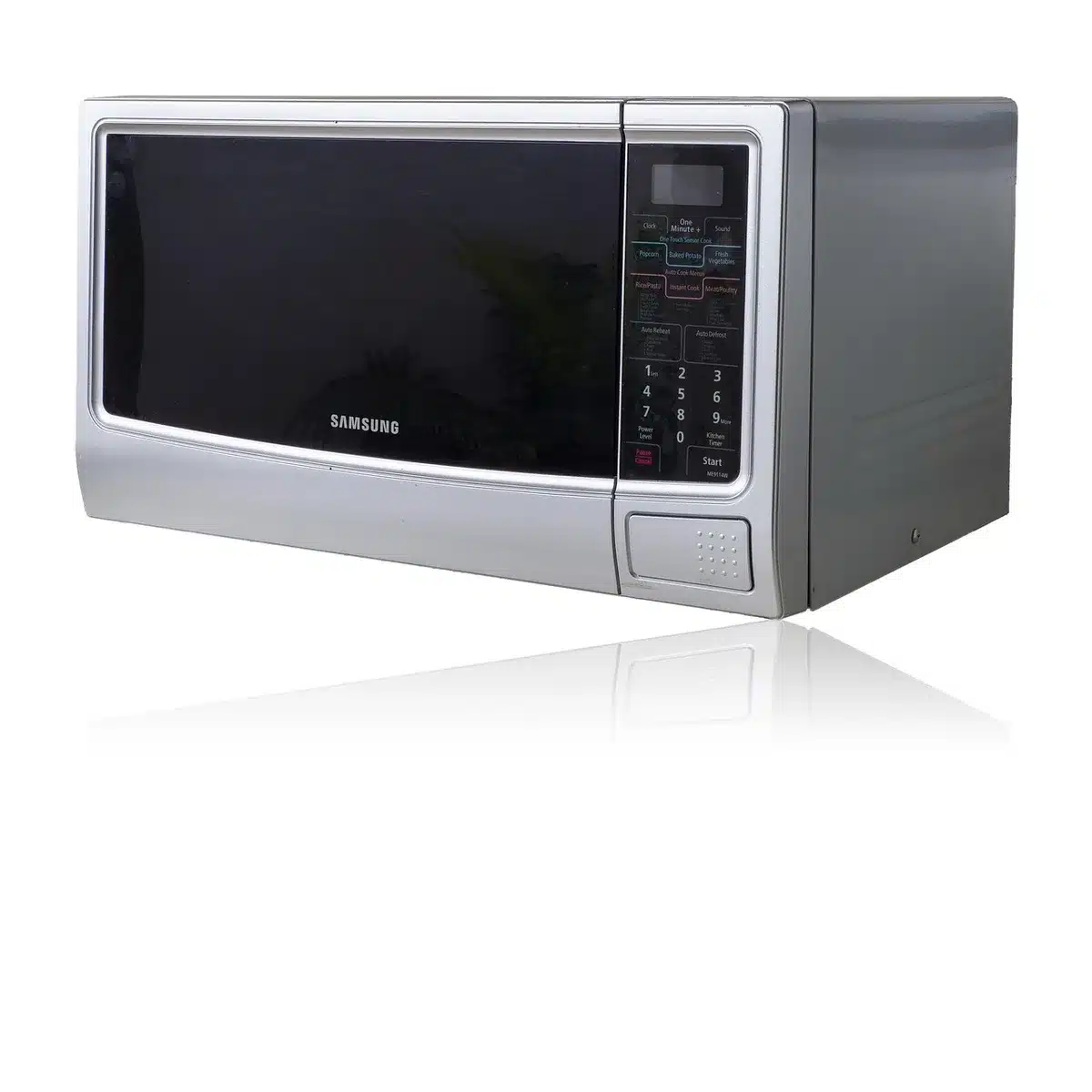
Microwave thawing was the fastest at the initial stage, but it often started cooking thin edges before the center was fully thawed, which can create uneven texture and pockets of higher temperature where bacteria can multiply if not handled properly. Always follow the microwave manufacturer’s defrost settings and plan to cook the chicken immediately after microwave thawing.
Countertop (room temperature) thawing — tested but not recommended
This is the most convenient but also the riskiest. Parts of the chicken warm into the temperature “danger zone” faster than others, encouraging bacterial growth. It led to uneven thawing and a noticeably weaker final texture in my tests. Skip this method.
Hot water thawing — tested and strongly discouraged
Dipping chicken into warm or hot water sped thawing dramatically but created a warm outer layer while the interior stayed cold. That mismatch not only harms texture but increases food‑safety risk; hot water also begins to cook proteins on the surface. Don’t use this method.
Comparison table
| Method | Safety | Typical speed | Effect on quality | When to use |
|---|---|---|---|---|
| Refrigerator thawing | High — remains below danger zone | Slow — requires advance planning | Best texture and moisture retention | Planned meals; can refreeze if still cold |
| Cold‑water thawing | Good if water is changed regularly | Faster — practical for same‑day meals | Good, if handled properly | When you need thawed chicken within a few hours |
| Microwave thawing | Acceptable — must cook immediately | Fastest | Risk of partial cooking; texture may suffer | Last‑minute option if you’ll cook right away |
| Room temperature (countertop) | Poor — exposes meat to danger zone | Variable | Uneven, often poorer texture | Not recommended |
| Hot water | Poor — surface warms too much | Very fast | Surface can start to cook; texture ruined | Avoid |
Practical tips and quick rules
- Plan ahead and prioritize refrigerator thawing when texture matters.
- If you must hurry, use cold‑water thawing or the microwave — then cook immediately.
- Never thaw raw chicken on the counter or in hot water.
- Keep thawing chicken contained to prevent cross‑contamination; sanitize surfaces and wash hands after handling raw poultry.
- It’s safe to cook chicken from frozen if you allow extra time, but expect a difference in texture and seasoning absorption.
Thawing chicken safely is mostly an issue of timing and technique. With a little planning — or the right last‑minute method — you can avoid food‑safety pitfalls and keep dinner on track without compromising flavor or texture.
Irish whiskey: approachable bottles new drinkers should try today
Fishtown restaurants ranked: must-visit spots locals are raving about