Show summary Hide summary
Boston’s Chinatown remains one of the city’s most concentrated pockets of authentic Asian food — an easy place to find everything from fast, inexpensive dumpling counters to long, Cantonese-style seafood dinners. With foot traffic picking up again, now is a good moment to explore the neighborhood’s busiest flavors and practical tips for getting the most out of a meal there.
What to expect when you go
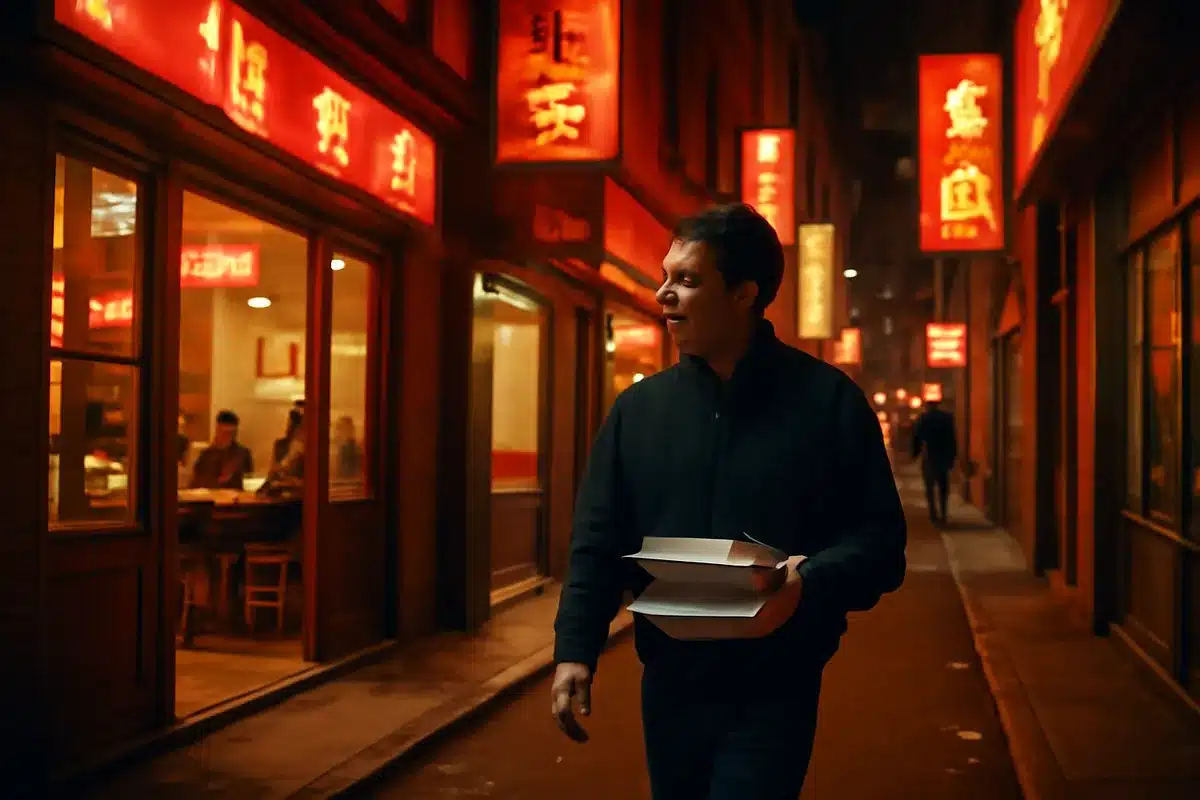
Streets are compact and restaurants often trade space for energy: bright signs, communal tables, and quick turnover. Many places specialize narrowly — one for soup dumplings, another for late-night noodles — so walking the neighborhood and following aromas is part of the experience.
Caramel, butterscotch, toffee: how their differences affect your desserts
McDonald’s rebrands Twitter to honor Bubba Wallace after his first NASCAR Cup win

Payment and service styles vary. Some kitchens operate on a first-come, first-served basis; others accept reservations. Smaller spots may prefer cash, while larger or newer establishments take cards and mobile pay.
Top dining experiences in Chinatown
Rather than a definitive “best” list — which depends on timing and appetite — here are the essential culinary experiences Chinatown delivers and what each offers.
| Experience | What to order | What to expect | Typical price |
|---|---|---|---|
| Dim sum brunch | Steamed shrimp dumplings, pork buns, rice rolls | Shared plates, pushcarts in larger halls, lively mornings | $10–25 per person |
| Soup dumplings & handhelds | Soup (xiao long bao), pan-fried buns, scallion pancakes | Counter service or casual sit-down, often packed at peak hours | $6–15 per dish |
| Cantonese seafood | Steamed fish, salt-and-pepper crab, whole lobster dishes | Family-style, large plates for sharing, weekend crowds | $25–60+ per dish |
| Hot pot & communal meals | Thin-sliced meats, leafy greens, dipping sauces | Interactive dining best for groups, reservations helpful | $20–40 per person |
| Late-night noodles & quick eats | Beef noodle soup, spicy dan dan, fried rice | Open late; perfect for post-theater or late-shift bites | $8–18 per dish |
| Bakeries & desserts | Egg tarts, pineapple buns, mango sago, shaved ice | Takeaway-friendly, ideal for a stroll or post-meal sweet | $3–8 per item |
Practical tips for a better visit
- Time your visit: dim sum is busiest mid-morning; dinner peaks early evening and again late at night in some spots.
- Share plates to sample more — ordering family-style unlocks a wider taste profile without overspending.
- Ask staff for recommendations. Servers often point to daily specials or seasonal seafood worth trying.
- Be ready for varied service speeds; small kitchens can fill quickly, and wait times are common on weekends.
Where to linger and what to take away
Chinatown is not only about the meal itself; it’s a neighborhood to explore afterward. Pick up layered egg tarts or a cold bubble tea for the walk, or stop in a specialty grocery for ingredients you rarely find elsewhere.
For visitors who want to extend the evening, nearby neighborhoods — the Theatre District, Downtown Crossing — are only a short walk away, making Chinatown a convenient starting point for a full night out.
Why this matters now
As city dining rebounds, Chinatown’s small businesses face renewed demand and fresh challenges. Supporting these restaurants helps preserve culinary traditions and the local economy — and gives diners a chance to sample lively, affordable cuisine that’s central to Boston’s cultural fabric.
Explore with curiosity, keep an open mind, and prioritize the experiences you enjoy most: whether that’s a serene dim sum brunch or a bustling late-night noodle run, Chinatown rewards those who come hungry and patient.
Irish whiskey: approachable bottles new drinkers should try today
Fishtown restaurants ranked: must-visit spots locals are raving about