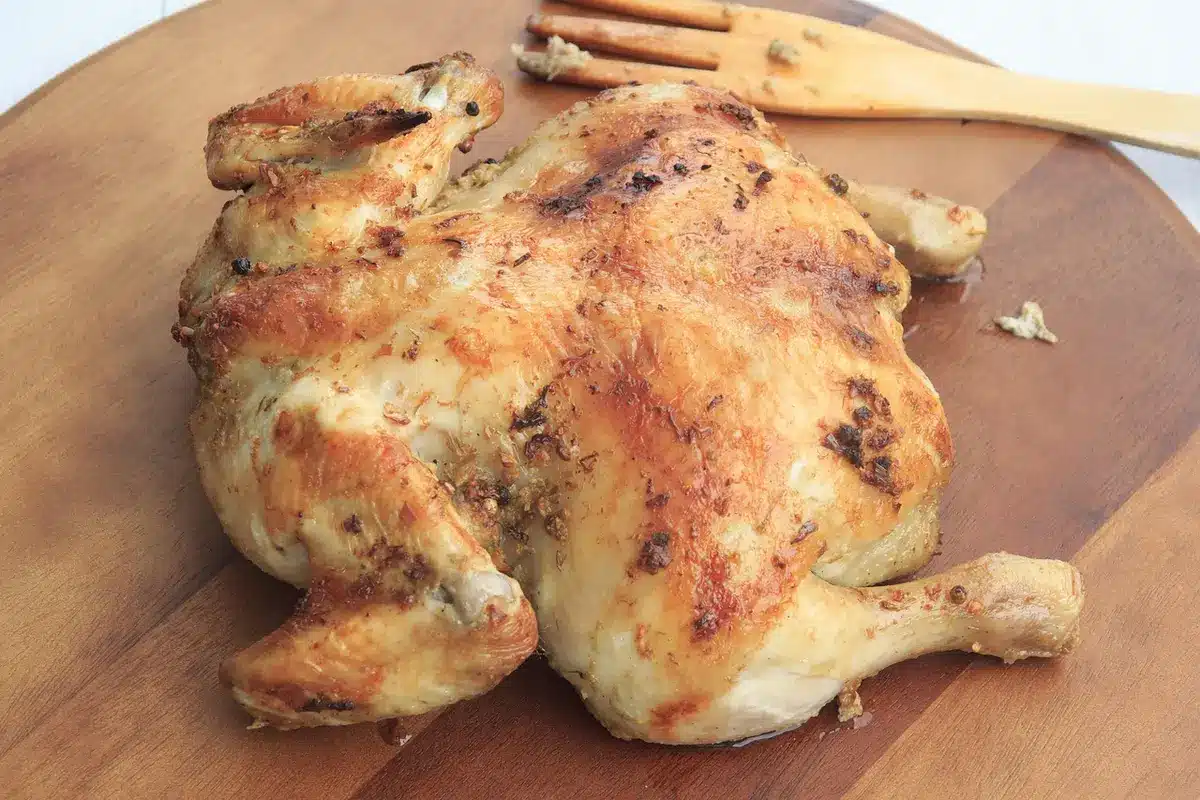
For home cooks and professional chefs alike, the humble chicken skin has quietly been reimagined — not as waste, but as a source of texture, flavor and even sustainability. That shift matters now because it changes how we use the whole bird, cuts food waste, and offers easy, high-impact techniques diners can reproduce at home.
Across restaurant menus and recipe feeds, cooks are turning chicken skin into everything from crunchy garnishes to savory crisps that replace bacon or chips. The appeal is straightforward: rendered properly, chicken skin delivers a concentrated, savory fat and an irresistible crunch that amplifies simple dishes without complex technique.
Why the change is catching on
Restaurants have long prized chicken skin for its flavor potential; what’s new is how broadly that thinking has spread. Social media and cooking columns have pushed techniques for turning skin into: delicate crisps for salads, crunchy toppings for soups, wrappers for small parcels, and even a sustainable ingredient in composed dishes. For home cooks this is a double win: more flavor and less waste.
Caramel, butterscotch, toffee: how their differences affect your desserts
McDonald’s rebrands Twitter to honor Bubba Wallace after his first NASCAR Cup win
Practical uses and culinary ideas
Some common and accessible applications you’ll see now:
– Crisps: Pat-dry pieces of skin baked or fried until deeply golden, used as a garnish for salads, bowls, or cocktails.
– Cracklings: Rendered slowly to separate fat, leaving crisp bits that can be crushed as a seasoning.
– Skins-as-wraps: Large, flattened pieces function as a savory wrapper for vegetables or cheeses, then crisped.
– Flavor boosters: Use rendered chicken fat in place of butter or oil for roasting vegetables, frying eggs, or sautéing aromatics.
How to get reliably crisp chicken skin at home
Technique matters, but these steps are forgiving and repeatable:
– Start dry: Pat skin thoroughly with paper towels. Moisture is the enemy of crispness.
– Salt early: Lightly salt and let sit for 15–30 minutes to draw out excess moisture.
– Use heat and airflow: Roast on a wire rack set over a sheet tray or shallow-fry in a wide pan so hot air or oil circulates. High, dry heat gives better results than low, steamy cooking.
– Watch the fat: If rendering, do it slowly over medium heat so the fat separates cleanly; if roasting, use high heat (around 425°F / 220°C) to crisp rapidly.
– Finish on paper: Transfer cooked skin to paper towels to blot excess fat and keep it crisp.
Safety and quality notes
– Cook poultry to an internal temperature of at least 165°F (74°C) for safety. Crisping skin is usually performed after the meat has reached a safe temperature.
– Store unused rendered fat in a sealed container in the fridge for several weeks; discard if it smells off.
– For best texture, consume crisps soon after cooking; moisture in the air will soften them over time.
A quick troubleshooting checklist
– Skin chews rather than cracks? It probably retained moisture — dry it longer and increase heat.
– Greasy end product? Let excess fat drain and blot with paper; thin pieces crisp faster than thick ones.
– Bitter or burnt flavor? Lower the heat and watch the process closely; sugar in marinades can burn quickly.
Why this matters beyond taste
Elevating chicken skin is part of a wider kitchen ethic: using more of an ingredient, reducing waste, and extracting flavor without complicated techniques or expensive components. For households watching budgets, rendered chicken fat and crisped skin offer a low-cost way to boost everyday meals. For restaurants, the shift opens creative, lower-cost menu options that deliver texture and aromatic depth.
If you haven’t tried repurposing chicken skin yet, start small: crisp a few pieces to sprinkle over a simple salad or fold into roasted vegetables. It’s a modest change in practice that often delivers an outsized payoff in flavor and satisfaction.
Irish whiskey: approachable bottles new drinkers should try today
Fishtown restaurants ranked: must-visit spots locals are raving about