Show summary Hide summary
Roasting vegetables until their edges deepen and crisp transforms everyday produce into a central dish. Mastering a few simple techniques gives you reliably caramelized, flavorful results—useful whether you’re preparing a weeknight side or elevating a holiday spread.
Why crisped edges change everything
Browned, slightly charred edges signal complex flavors created by caramelization and the Maillard reaction. Those chemical changes concentrate sweetness and add savory notes that make vegetables more satisfying without extra salt or fat.
Caramel, butterscotch, toffee: how their differences affect your desserts
McDonald’s rebrands Twitter to honor Bubba Wallace after his first NASCAR Cup win
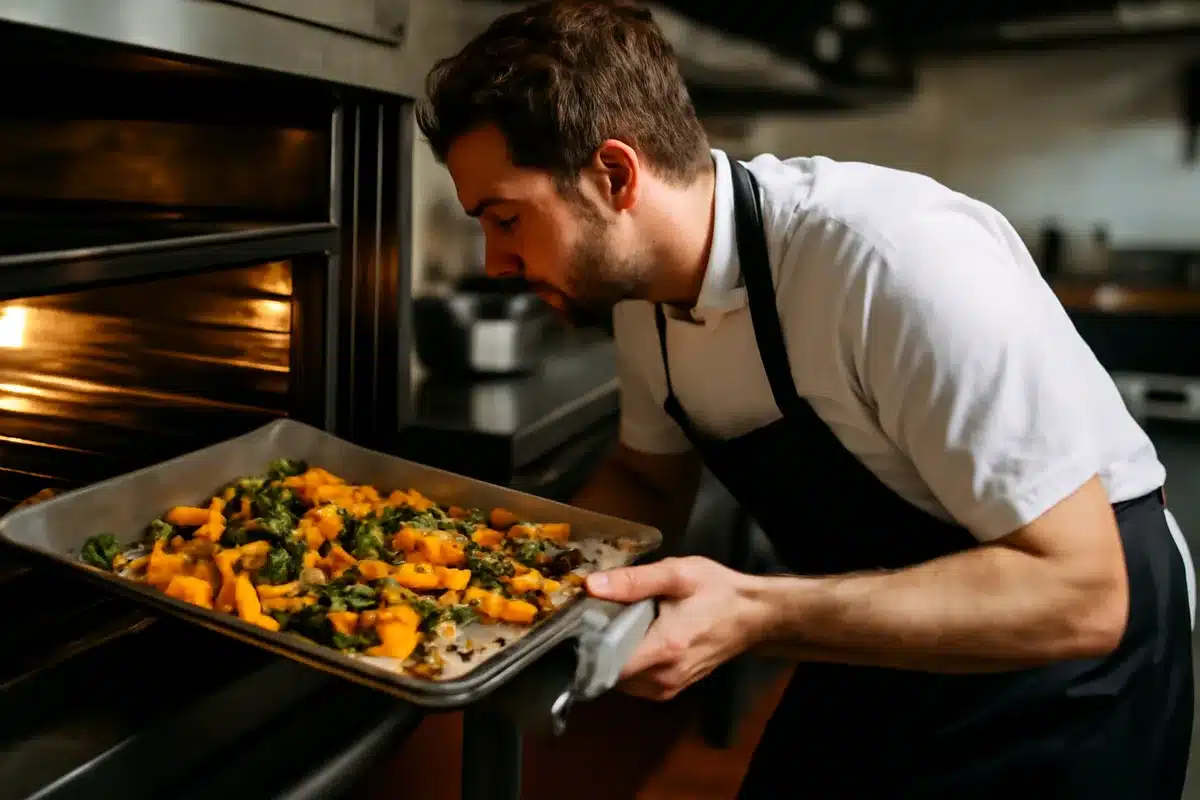
For readers trying to eat more plant-forward meals or simply tired of limp, steamed sides, learning to coax crunch and color from Brussels sprouts, carrots, cauliflower or shallots delivers big sensory returns for little extra effort.
Practical steps for reliable browning
- Preheat your oven to 425–450°F (220–230°C). High heat is the single biggest factor for crisp edges.
- Dry thoroughly. Excess surface moisture causes steaming. Pat vegetables completely dry before oiling.
- Use enough oil. A thin coating promotes heat transfer and encourages browning; use neutral oil with a high smoke point.
- Give each piece room. Arrange in a single layer with space between pieces to allow hot air circulation—crowding equals steaming.
- Choose the right pan. A heavy rimmed sheet or cast-iron skillet holds heat and helps develop color.
- Flip once, midway through roasting, to ensure even caramelization without breaking the crust that forms.
Small adjustments can speed or deepen browning: a final blast under the broiler for one to two minutes will intensify color, and using convection mode shortens cook time and improves crispness. Avoid stirring too often; letting vegetables sit against hot metal creates the best sear.
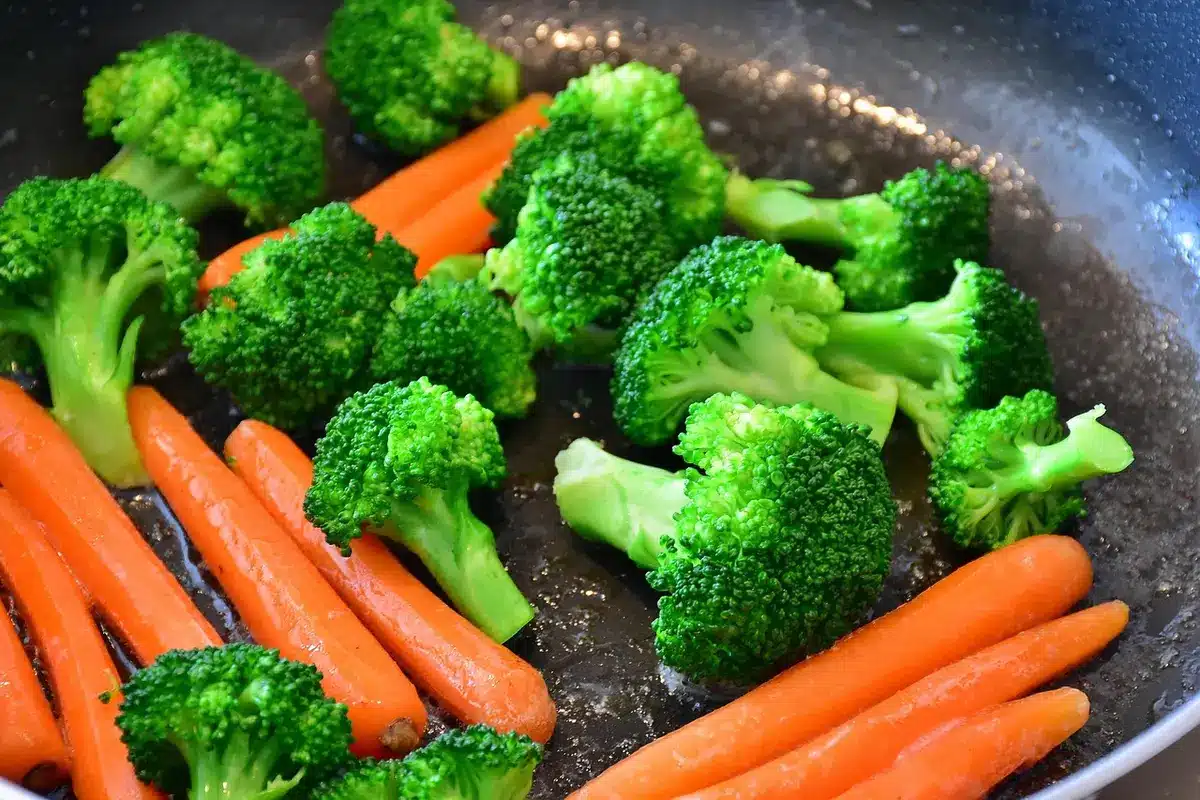
Roasting guide: temperatures and timing
| Vegetable | Temp (°F / °C) | Approx. time | Notes |
|---|---|---|---|
| Brussels sprouts (halved) | 425 / 220 | 20–30 minutes | Place cut side down for best browning |
| Shallots (halved or wedges) | 425 / 220 | 20–25 minutes | Sweeter as they caramelize; watch for burning |
| Carrots (1/2-inch batons) | 425 / 220 | 25–35 minutes | Thicker pieces take longer—turn halfway |
| Cauliflower (florets) | 450 / 230 | 20–28 minutes | High heat develops nutty flavor |
Finishing touches that lift the dish
Acid and a touch of sweetness cut through richness and highlight caramelized notes. A quick balsamic glaze—simmer 1 cup balsamic vinegar until reduced by half, finish with a teaspoon of honey if you like—brightens roasted vegetables without overwhelming them.
Alternatively, scatter chopped herbs, a squeeze of lemon, or a drizzle of good olive oil just before serving. Salt timing matters: season lightly before roasting to help flavor penetrate, and adjust at the end to taste.
For meal prep, roast large batches and store in an airtight container; re-crisp in a hot skillet or oven for best texture. With these techniques, everyday vegetables gain the golden, savory edges that make them impossible to ignore.
Irish whiskey: approachable bottles new drinkers should try today
Fishtown restaurants ranked: must-visit spots locals are raving about