
Show summary Hide summary
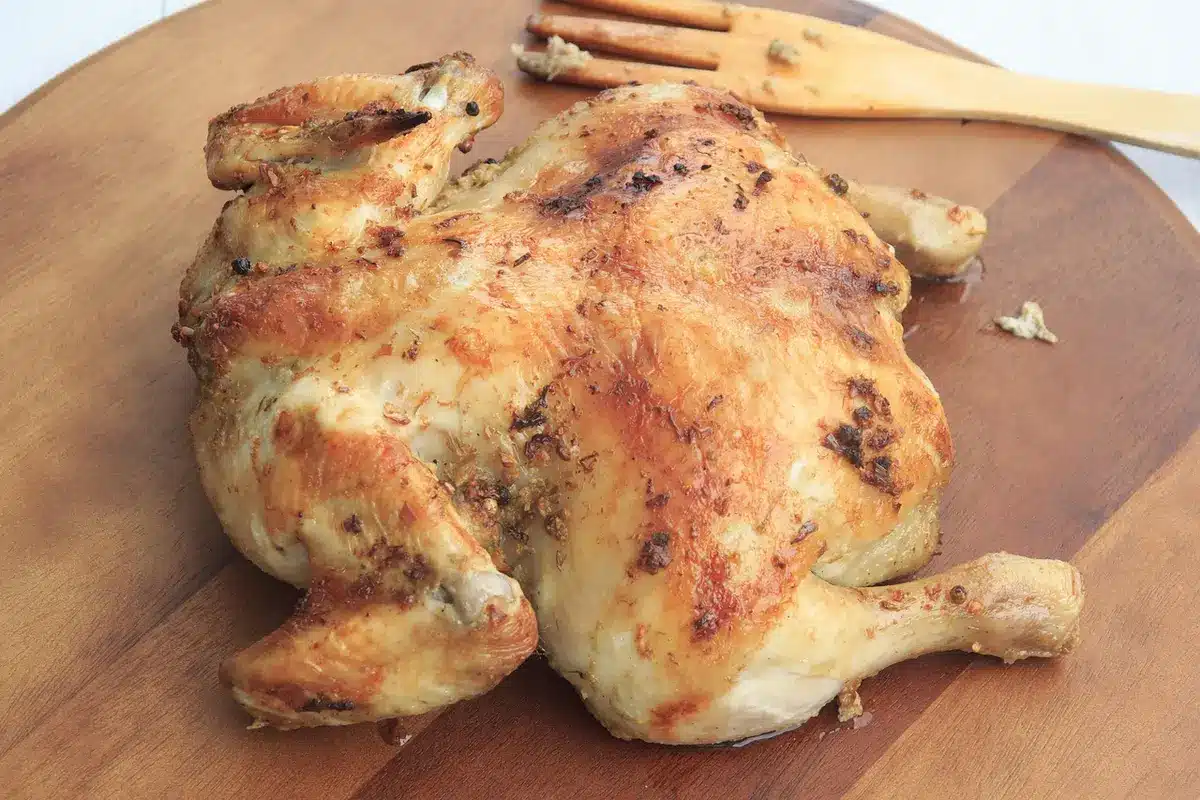
Whether you bind it tightly, split it flat, or break it into portions, a well-roasted chicken remains one of the most reliable dinnertime wins. With the change of seasons and shorter evenings, knowing which roasting method to use can save time and deliver better texture and flavor on the plate.
Why the roasting approach matters now
Different techniques change not only how a bird looks but how it cooks: timing, browning, and moisture are all affected. For cooks balancing work, school, and other commitments, the right method can turn a whole chicken into a quick family meal or an impressive centerpiece with minimal fuss.
Caramel, butterscotch, toffee: how their differences affect your desserts
McDonald’s rebrands Twitter to honor Bubba Wallace after his first NASCAR Cup win
Three practical methods compared
Home cooks most often choose between keeping the carcass intact, flattening it, or cutting it into pieces. Each approach has clear trade-offs.

- Trussing: Leaving the bird whole and tying the legs keeps it compact, produces classic presentation and even browning, and works best when you have time for a slower roast.
- Spatchcocking: Removing the backbone and flattening the bird speeds up cooking, exposes more skin to direct heat for crispness, and reduces active time — useful for weeknights.
- Sectioning: Cutting the chicken into parts (breasts, thighs, drumsticks) lets you tailor cooking times, yields crispier skin on dark meat and juicier white meat, and simplifies serving and storage.
Timing and target temperature
Food safety is non-negotiable: roast until the deepest part of the thigh reaches a safe temperature. Using an instant-read thermometer removes guesswork and prevents overcooking.
| Method | Typical oven temp | Approximate cook time | Internal target |
|---|---|---|---|
| Whole, trussed | 375°F (190°C) | 1 hour 10–30 minutes (depending on size) | 165°F (74°C) in thigh |
| Spatchcocked | 425°F (220°C) | 35–50 minutes | 165°F (74°C) in thigh |
| Sectioned pieces | 400–425°F (200–220°C) | 25–45 minutes depending on cut | 165°F (74°C) in thickest part |
Simple steps that change results
Small choices make a big difference. Pat the skin dry for better crisping, season both under and over the skin for deeper flavor, and give the bird time to rest after the oven so juices redistribute.

Consider a brief dry brine—salt the bird and refrigerate, uncovered, for a few hours or overnight. It firms the skin and concentrates flavor without the fuss of a wet brine.
Practical tips for every cook
These short habits improve outcomes whether you’re aiming for an easy weeknight dinner or a more formal roast:
- Use an instant-read thermometer to avoid overcooking.
- Raise the bird on a rack to promote even airflow and browning.
- Let the chicken rest 10–15 minutes before carving for juicier slices.
- Save pan drippings for a quick gravy or to flavor roasted vegetables.
Choosing the right method depends on your priorities: speed, crisp skin, ease of carving, or a traditional presentation. With a thermometer, a little seasoning, and one of the three methods above, you can reliably turn a simple chicken into a satisfying meal that fits your schedule.
Irish whiskey: approachable bottles new drinkers should try today
Fishtown restaurants ranked: must-visit spots locals are raving about










