Show summary Hide summary
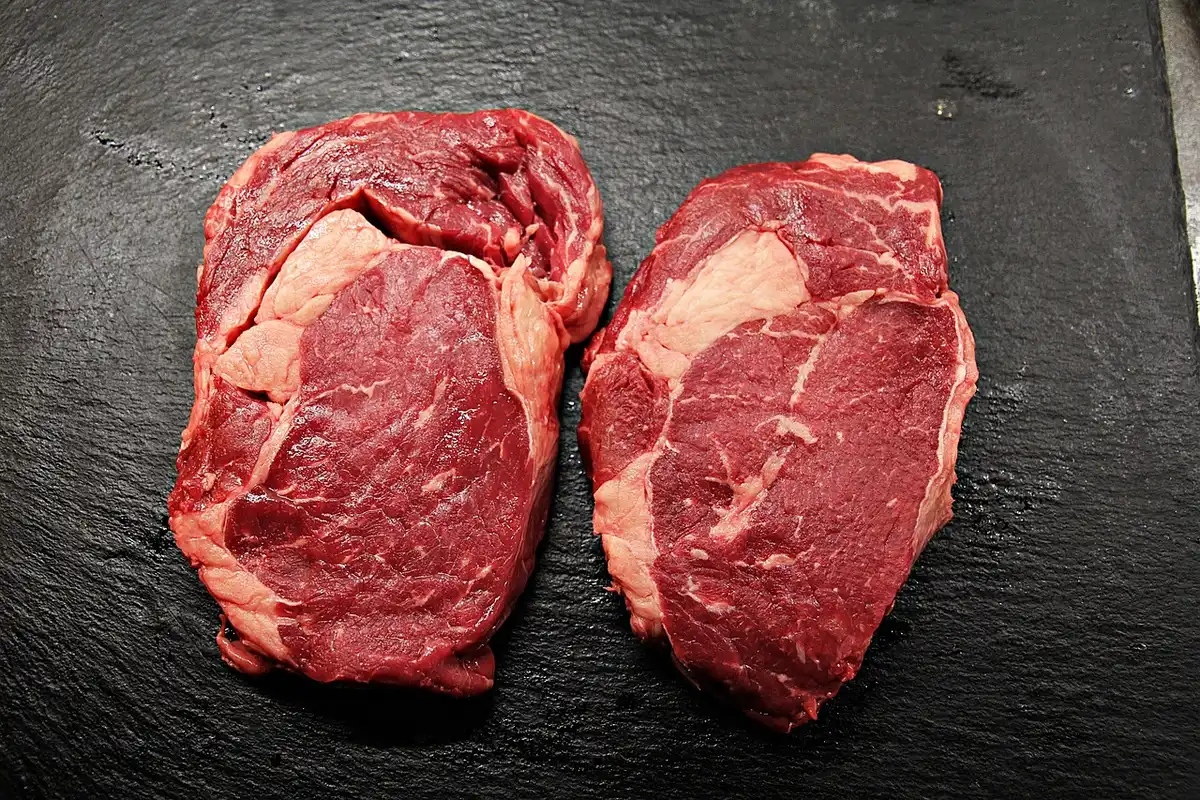
As home cooks face peak grilling and roast season, the difference between a chewy dinner and a tender one often comes down to technique. Knowing when to salt, age, pound, or use an enzymatic marinade can turn inexpensive cuts into satisfying meals—and prevent costly mistakes.
Why this matters now: grocery prices and dining budgets make it smart to get the most out of every cut. Beyond cost, each tenderizing method changes texture and flavor in distinct ways, so choosing the right approach affects the final dish as much as the recipe itself.
What actually makes meat tender?
At a basic level, meat becomes tender when connective tissue (collagen) breaks down and muscle fibers relax. Different methods attack those targets by using physical force, salt, time, heat, or biological activity. Understanding the mechanism helps you pick the safest, most effective option for a given cut.
Caramel, butterscotch, toffee: how their differences affect your desserts
McDonald’s rebrands Twitter to honor Bubba Wallace after his first NASCAR Cup win
Salting (including dry brining) draws moisture out, then allows it to be reabsorbed carrying dissolved salt into the muscle. That process improves flavor and increases juiciness while loosening proteins.
Enzymes from ingredients like pineapple (bromelain) and papaya (papain) break down proteins directly. They act fast and can quickly soften tissue—sometimes too quickly, leaving meat mushy if left unchecked.
Mechanical tenderizing—pounding or blade tenderizers—physically disrupts fibers and connective tissue. It’s immediate but can introduce surface bacteria into the interior if blades penetrate deeply, which has food-safety implications for cooking and storage.
Aging relies on natural enzymes within the meat (and, in dry aging, controlled microbial activity on the surface) to slowly break down proteins and concentrate flavor. Wet aging in vacuum packs is common commercially; dry aging is more specialized and requires stable, refrigerated conditions.
Quick comparison: pros, cons and typical timing
| Method | How it works | Best for | Typical time | Safety/notes |
|---|---|---|---|---|
| Dry brine (salt) | Salt draws out then reabsorbs juices; seasons throughout | Steaks, roasts, chicken | 30 minutes to 48 hours | Refrigerate; avoid over-salting |
| Enzymatic marinades | Plant enzymes break peptide bonds | Thin cuts, quick marinades | 10–60 minutes (watch closely) | Can turn meat mushy if overdone |
| Mechanical (pounding/blading) | Physically disrupts fibers | Cutlets, tough steaks, roasts | Immediate | Blade tenderizers risk internal contamination |
| Low-and-slow cooking | Slow heat converts collagen to gelatin | Brisket, chuck, shank | Several hours | Consistent low temp preserves moisture |
| Aging (wet/dry) | Enzymes tenderize over time; dry aging adds flavor concentration | Steaks, whole subprimal cuts | 1–8+ weeks | Dry aging needs precise refrigeration; not recommended for home without equipment |

Practical rules for the home kitchen
- Start with the cut: lean steaks and roasts often need only salt or careful cooking; tough cuts reward time and low heat.
- When using plant-based enzymes, monitor closely—15–30 minutes can be enough for thin pieces. Rinsing after treatment stops the enzyme activity.
- Prefer dry brining over soaking brines when you want a better sear: surface dries slightly, encouraging browning while interior seasons.
- If you use a blade tenderizer, cook the meat thoroughly and avoid repurposing tartar‑grade undercooked steaks that were blade‑tenderized.
- Avoid leaving meat at room temperature for extended periods during marination or brining; always refrigerate to limit bacterial growth.
Small changes to technique yield big results. For a budget‑friendly roast, a 24–48 hour dry brine plus low, slow cooking will improve both tenderness and flavor. For quick dinners, a gentle mechanical tenderize or a short enzymatic bath for thin cuts can rescue a cheaper steak—if you time it properly.
As tastes and safety guidance evolve, the safest route for ambitious aging projects is to rely on professional butchers or specialty suppliers. For most home cooks, mastering salting, choosing the right cooking temperature, and applying mechanical or enzymatic methods selectively will deliver the biggest improvements without extra risk.
Irish whiskey: approachable bottles new drinkers should try today
Fishtown restaurants ranked: must-visit spots locals are raving about