Show summary Hide summary
If your cast-iron pan keeps losing its nonstick finish, the fault often isn’t the seasoning itself but a skipped step before food ever touches the metal. A few minutes of preparation — and understanding what happens when moisture, temperature and oil meet iron — will preserve the pan’s surface and improve every sear you attempt.
Home cooks increasingly rely on cast iron for reliable heat and flavor, so knowing the right routine matters: it protects the pan, reduces waste, and delivers better results on steaks, vegetables, and eggs alike.
What typically goes wrong
When seasoning flakes or food clings, the culprit is usually thermal stress or trapped moisture rather than degraded seasoning. Two everyday mistakes cause most trouble: adding cold, wet ingredients to a hot skillet and not letting the pan reach an even high temperature before cooking. Both can turn a proud layer of polymerized oil into something that lifts or peels.
Caramel, butterscotch, toffee: how their differences affect your desserts
McDonald’s rebrands Twitter to honor Bubba Wallace after his first NASCAR Cup win
At play are a few simple chemical and physical facts: the seasoning is a thin film of oil that has been baked until it polymerizes into a hard, hydrophobic surface. If a cold, wet piece of food hits a hot pan, water turns to steam at the contact point and forces the oil layer to separate; if the pan isn’t hot enough, proteins and sugars bond to the metal and to the seasoning in an unpredictable way, causing sticking and streaking.
Practical steps to avoid ruining your seasoning
These are the habit changes that make the difference every time you cook.
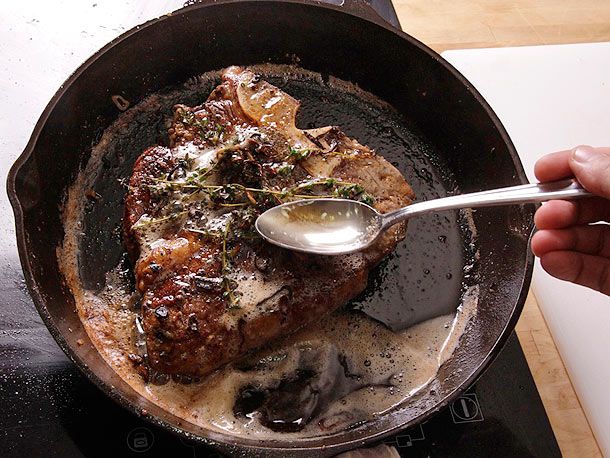
- Heat the pan first. Allow cast iron to warm gradually and then reach a high working temperature. A properly preheated pan browns food quickly and evenly without prolonged contact that can damage the seasoning.
- Pat ingredients dry. Moisture is the enemy of a clean sear. Use paper towels to remove surface water from meat or vegetables before they go into the pan.
- Warm oil in the pan. Add a small amount of oil once the skillet is hot and let it shimmer before adding food. That layer helps protect the seasoning and promotes the Maillard reaction.
- Avoid overcrowding. Too much food lowers surface temperature rapidly, increasing the chance of sticking and moisture release.
- Use fats with an appropriate smoke point. For very high-heat searing, choose oils that can withstand the temperature without breaking down excessively.
Combine these habits and you’ll notice fewer stuck-on bits and a more resilient, glossy surface on the pan.
Quick fixes when seasoning lifts
If you already see flaking or uneven patches, the repair is straightforward and doesn’t require a full rebuild in most cases.
- Wash gently with warm water and a non-abrasive brush; avoid harsh scrubbing that removes more seasoning.
- Dry thoroughly and immediately over low heat to remove all moisture.
- Apply a thin coat of a neutral oil and bake the pan at 400–450°F (205–230°C) for about an hour, then cool in the oven — repeat once or twice for a stronger layer.
- For heavy damage, strip with coarse salt and a bit of oil or use mild detergent, then re-season from scratch.
These repairs restore the protective polymer layer without needing specialized products.
When to re-season completely
Not every blemish requires a full re-seasoning. Look for these signs that a full rebuild is warranted: widespread flaking, large bare spots of exposed iron, or persistent rust. Otherwise, frequent light maintenance — a quick wipe with oil after each use and occasional baking — will keep the surface performing well.
Small adjustments to how you prep and how you heat your skillet deliver immediate, visible results: better crusts, easier cleanup, and a longer-lived pan. Treat seasoning as a functional coating that needs the right environment — proper heat, dryness, and a little oil — and it will reward you with consistent, restaurant-quality cooking at home.
Irish whiskey: approachable bottles new drinkers should try today
Fishtown restaurants ranked: must-visit spots locals are raving about