Show summary Hide summary
This summer, a deceptively small question at restaurants has become a surprisingly charged moment: before the appetizer arrives, guests are routinely prompted to choose between bottled options, often with an implicit nudge away from the tap. That interaction matters now because it affects bills, waste, and the tone of hospitality at a time when diners are already sensitive to costs and environmental impact.
A small question, a loud message
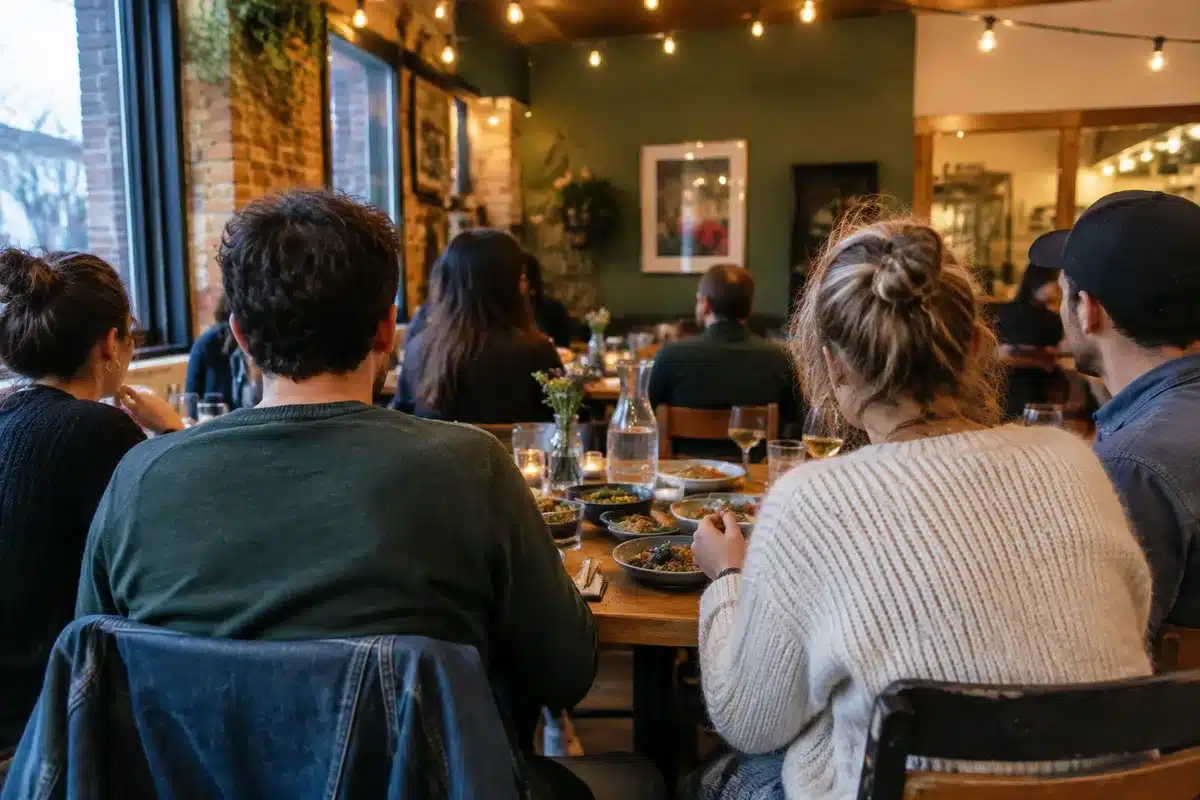
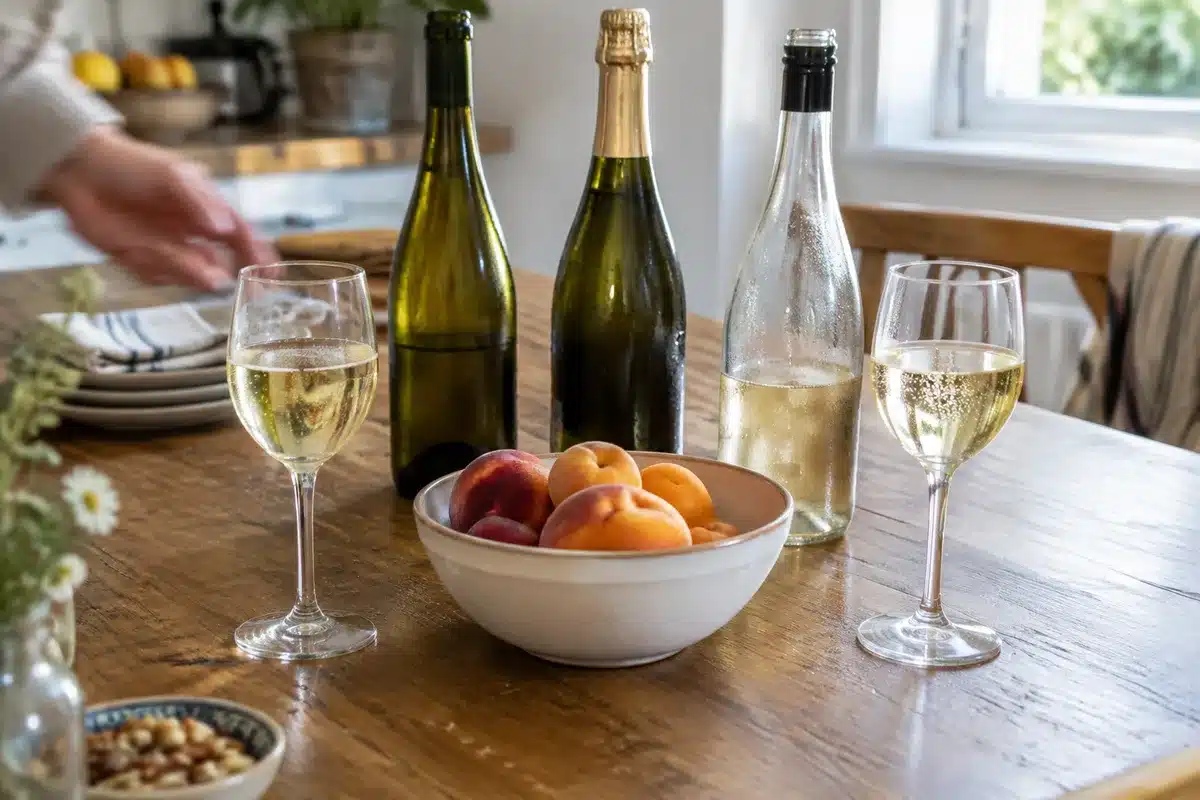
When servers arrive and offer water choices, the exchange can feel less like service and more like a sales pitch. Rather than being welcomed with a simple carafe or a glass of chilled water, diners are frequently presented with a menu-like decision that puts bottled and sparkling waters front and center.
Caramel, butterscotch, toffee: how their differences affect your desserts
McDonald’s rebrands Twitter to honor Bubba Wallace after his first NASCAR Cup win
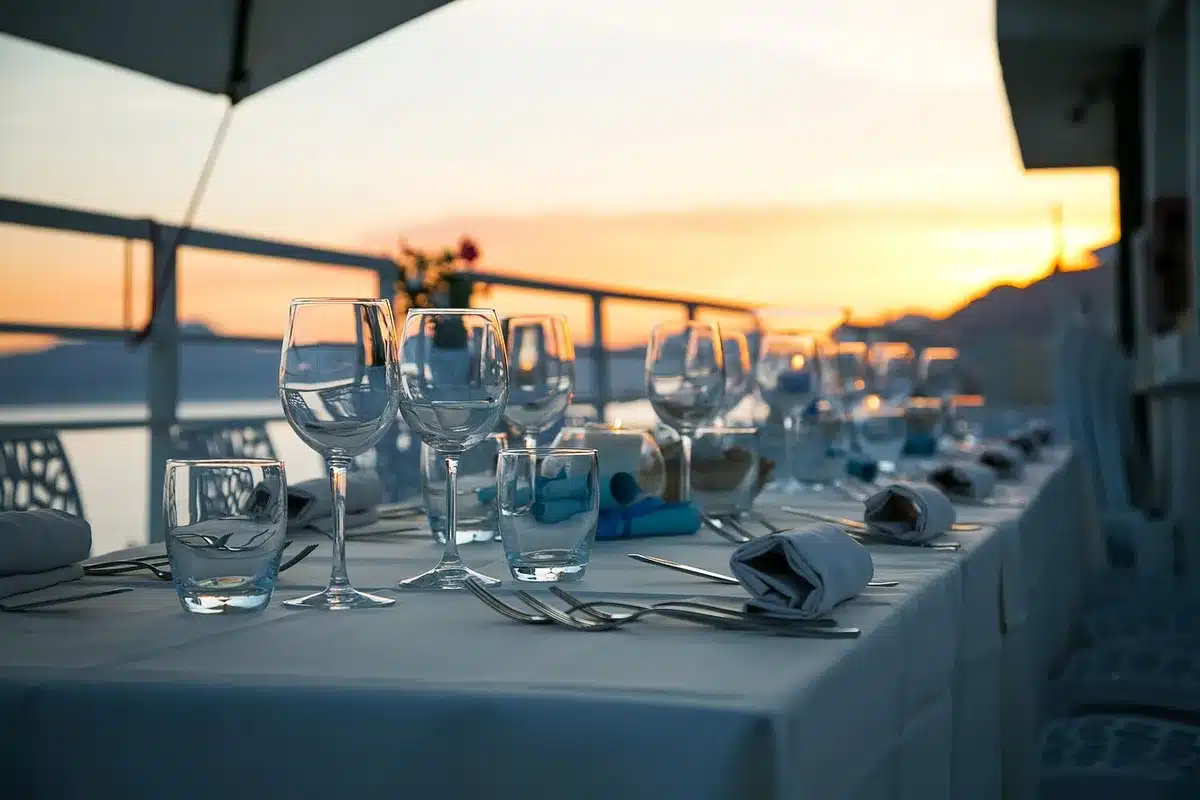
This framing makes the ordinary glass of water feel optional and premiumized—something to be purchased rather than a basic courtesy. For many customers, that changes the mood of the meal before it begins.
How bottled water became the default
There are understandable reasons restaurants push bottled and sparkling: higher margins, supplier deals, and perception of luxury. At the same time, the trend reflects broader consumer habits—some diners now prefer carbonated or branded waters, others distrust municipal supplies, and retailers have profited from both.
On the ground, that results in more single-use plastic, higher tabs, and an awkward moment at the table when guests feel compelled to justify asking for filtered water.
Why filtered tap matters today
- Cost: Offering filtered tap maintains a base level of hospitality without adding to the bill for every diner.
- Environmental impact: Reducing single-use bottles lowers plastic waste and transportation emissions tied to bottled water.
- Customer experience: Starting a meal with a complimentary carafe fosters goodwill and lessens early friction.
- Fairness: Diners who prefer still, unbranded water shouldn’t feel stigmatized or nudged into purchases.
- Local reality: Many urban systems—New York among them—deliver safe, well-regarded tap water; filters address the occasional exception.
These points are pragmatic rather than ideological: this is about clearer choices and better service, not banning bottled or sparkling options altogether.
Practical steps restaurants can take
- Serve a chilled carafe of filtered tap water by default, with ice on request.
- List bottled and sparkling waters on the menu with clear prices and descriptions instead of promoting them verbally first.
- Train staff to offer water without implying inferiority—ask simply, “Would you like water?” and follow up with options if requested.
- Promote sustainability measures where relevant (for example, glass refill programs or compostable packaging for takeaway).
- When local water quality is a concern, explain filtration steps transparently so guests understand what they’re being served.
And a quick note for diners: if you prefer a particular bottled brand or sparkling water, order it as you would any drink. If you want the no-frills option, asking politely for filtered water and ice is reasonable and increasingly common.
Filtered tap isn’t a downgrade—it’s a practical, sustainable, and hospitable baseline. Restaurants can preserve the option to sell specialty waters while treating plain, filtered water as part of the welcome, not a line item to start the meal.
Irish whiskey: approachable bottles new drinkers should try today
Fishtown restaurants ranked: must-visit spots locals are raving about