
Show summary Hide summary
San Francisco gained a high-profile new dining destination on July 24 when Bangkok chef Thitid “Ton” Tassanakajohn opened Saam — his first restaurant in the United States. The arrival matters: Tassanakajohn brings the sensibility that earned his Bangkok restaurants Michelin stars and spots on the World’s 50 Best list, offering San Franciscans a rare, elevated take on Thai cooking beyond the familiar favorites.
From Bangkok to Brannan Street
Caramel, butterscotch, toffee: how their differences affect your desserts
McDonald’s rebrands Twitter to honor Bubba Wallace after his first NASCAR Cup win
Tassanakajohn, whose Bangkok kitchens Le Du and Nusara each hold a Michelin star and ranked in the 2026 World’s 50 Best, partnered with longtime collaborators to convert a second-floor space in SoMa into Saam. The name — which means “three” in Thai — nods both to the trio of partners and to the balance of flavors at the heart of the cuisine: spicy, sour, and sweet.
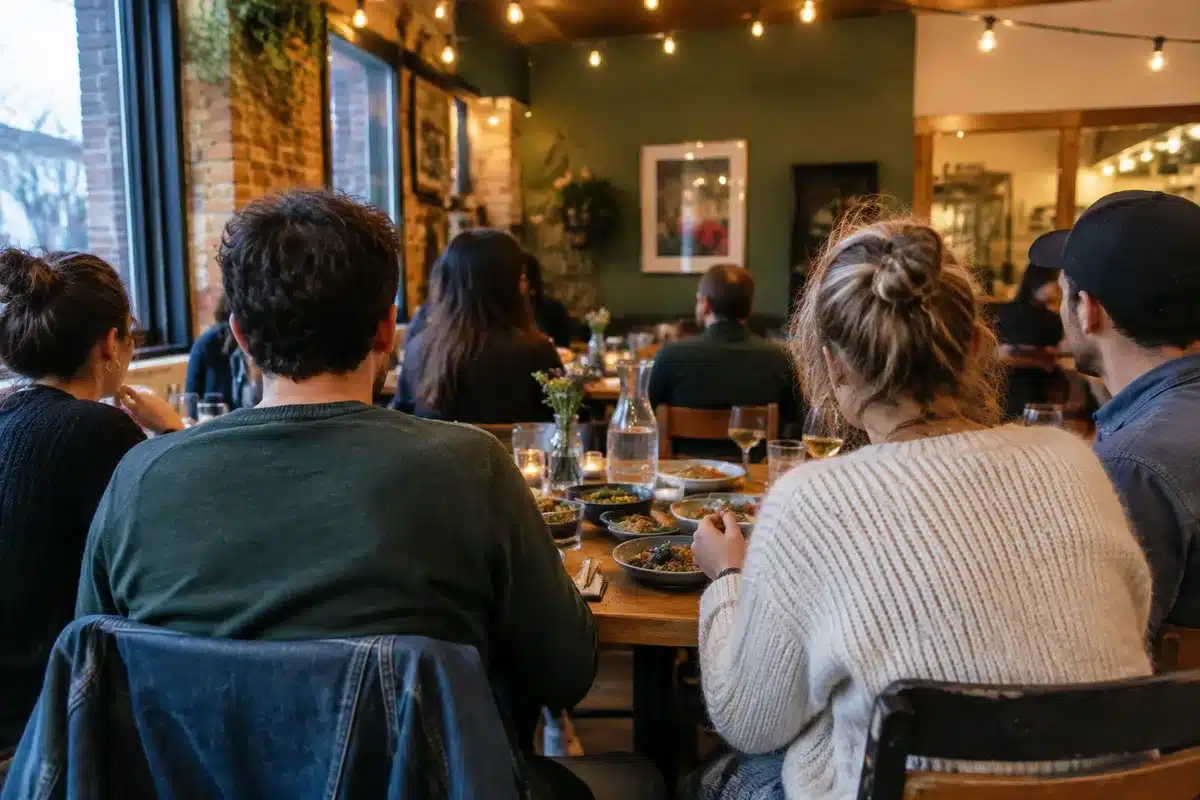
The dining room favors a comfortable, lived-in feel over sleek minimalism: warm timber, textured surfaces, and a wall that evokes clay stoves create an intimate atmosphere. Arrive near sunset if you can; the windows catch a soft light that enhances the room’s charm.
A menu that surprises
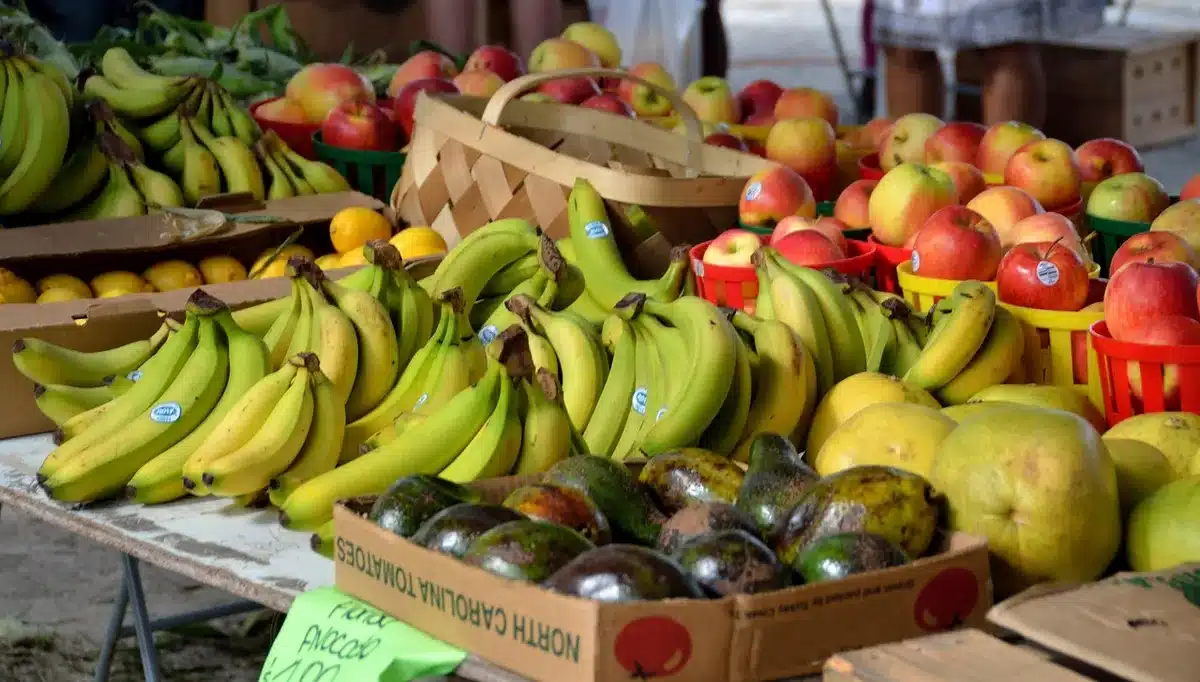
Unlike Le Du and Nusara, Saam offers an a la carte format, making it easier to sample many dishes without committing to a tasting menu. The kitchen favors traditional Thai techniques and house-made pastes, but uses local produce—sometimes in unexpected pairings that push familiar flavors into new shapes.
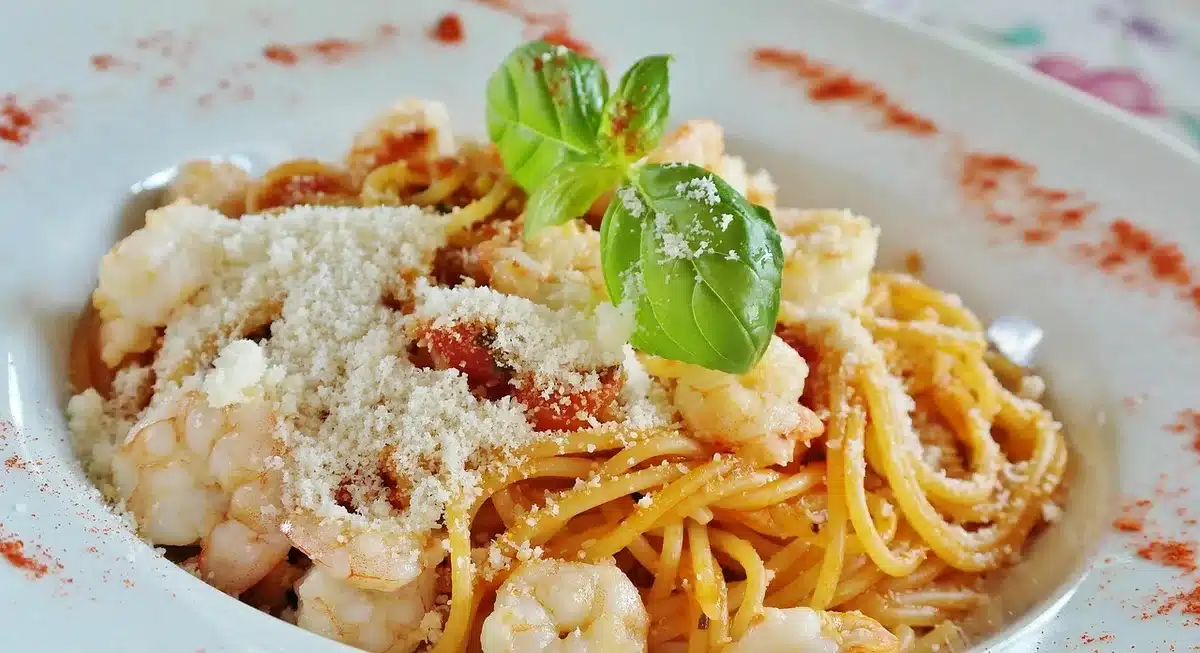
Highlights include a seafood-forward version of khao soi—thicker wheat noodles served with shrimp, squid and mussels in a gentle curry—and a playful reinterpretation of som tum that hides diced local peaches and marinated raw shrimp beneath bright, acidic notes. Spice levels are set by the chef, so heat-averse guests should be prepared for some bold chiles.
For larger bites, the restaurant offers a salt-crust whole fish—often branzino—accompanied by a spicy, salsa-like pla ra and a softer peanut-based sauce, with lettuce and herbs for wrapping ssam-style. A Snake River Farms pork chop is served with a deep, pepper-forward Northern Thai sauce, while a red-curry Manila clam dish proved irresistible when spooned over jasmine rice.
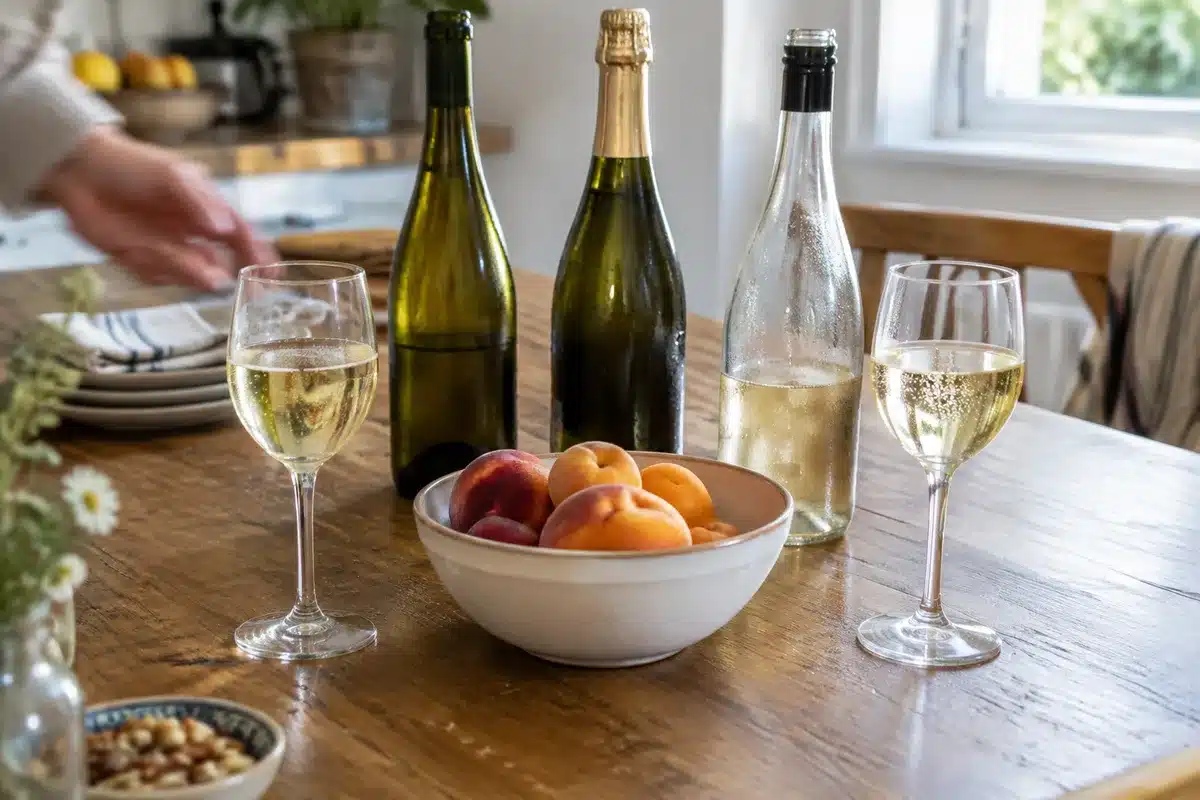
Desserts revisit classic Thai profiles: a torched meringue topping ripened mango and sticky rice, and a velvety Thai iced-tea cheesecake. A light German Riesling was noted as an effective pairing across the menu, balancing sweetness and acidity.
What Tassanakajohn says about the move
Speaking with the chef after service, he explained that repeated visits to the Bay Area convinced him that local produce and the climate suited his cooking. He noted the practical advantage of sourcing aromatic ingredients in California that are harder to obtain elsewhere in the U.S., and joked that Los Angeles’s weather feels too close to Bangkok’s to be an ideal contrast.
Managing restaurants across continents brings obvious challenges—training a new team to execute his style is a priority—but Tassanakajohn emphasized his commitment to representing his approach faithfully in San Francisco.
“I want to show people there’s a lot more depth to Thai food,” he said, framing Saam as an invitation to explore flavors beyond the expected.
Why Saam matters locally
San Francisco already hosts acclaimed Thai kitchens, including two Michelin-starred restaurants. Saam’s arrival widens the city’s fine-dining map with a chef-driven concept that blends Bangkok-level technique and creativity with an accessible a la carte rhythm. For diners, that means more opportunities to experience sophisticated Thai dishes prepared at a high level without traveling to Thailand.
- Opening date: July 24 (recently opened)
- Chef: Thitid “Ton” Tassanakajohn (Le Du, Nusara)
- Format: A la carte, chef-set spice levels
- Location: Second floor, 415 Brannan Street, San Francisco
- Reservations: Recommended; follow the restaurant’s Instagram (@saam3.sf) for updates
- Phone: +1 415 972 9555
Saam is a timely addition to the Bay Area dining scene: it brings an acclaimed Thai chef’s point of view to an American audience, expands the range of upscale Thai options in the U.S., and gives local diners a chance to taste less-typical regional dishes executed with precision.
If you plan to visit, consider going early in the service to enjoy the room’s light and to sample a range of plates with friends—many dishes are designed for sharing and reveal more in small, successive bites than in a single course.
Irish whiskey: approachable bottles new drinkers should try today
Fishtown restaurants ranked: must-visit spots locals are raving about