
Show summary Hide summary
San Diego’s restaurant scene is shifting again: several notable dining rooms have closed in recent weeks as rising costs, labor gaps and steep rents reshape where people eat. This roundup captures the most recent departures, what replaced them, and why these changes matter for diners and local restaurateurs now.
What closed and where
Caramel, butterscotch, toffee: how their differences affect your desserts
McDonald’s rebrands Twitter to honor Bubba Wallace after his first NASCAR Cup win
The list below highlights four recent exits across the county, from beachside omakase to neighborhood wine bars. Each closure reflects different pressures in the market—lease terms, operating costs, or simply the difficulty of finding a sustainable niche.
- Matsu — Oceanside. Closed May 31, 2026; chef-owner is scouting a new location after a lease ended.
- Deckman’s North at 3131 — North Park. Final service June 27, 2026; the concept lasted under two years after opening in August 2024.
- Cellar Hand — Hillcrest. Closed July 19, 2026; space will be taken over by Pali Wine, which is relocating from Little Italy.
- Potato Powder Love Noodle Shop — Balboa Avenue (99 Ranch Market food court). Closed quietly in May 2026; replaced by a second outpost of Cluck N Sip.
Matsu: fine dining at the beach pauses
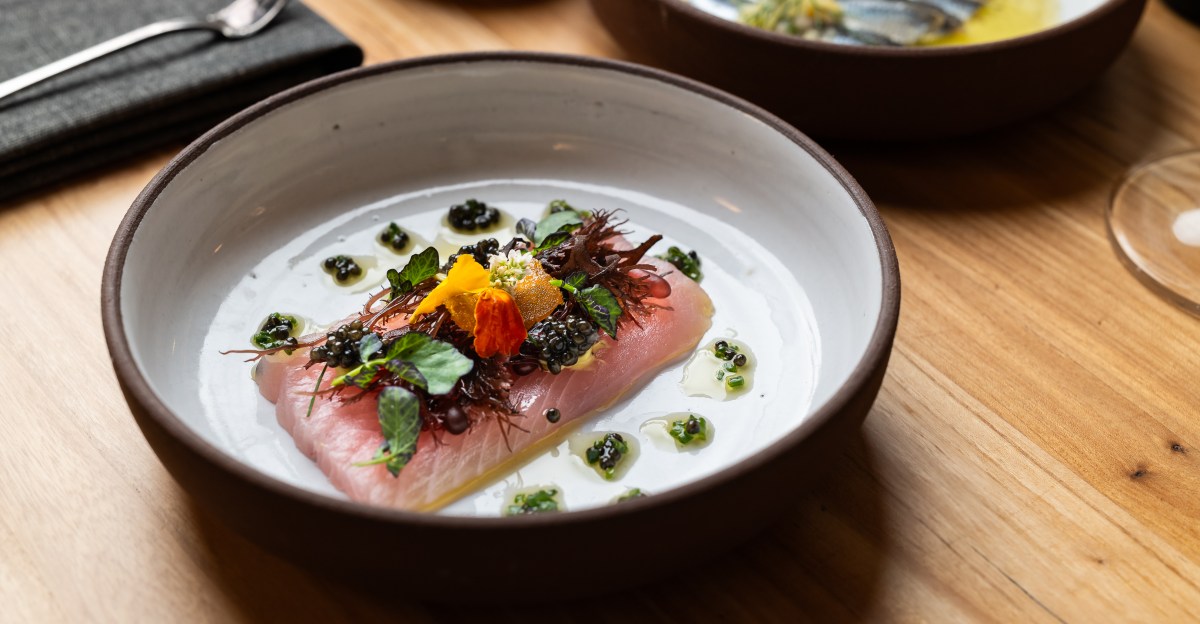
Matsu brought an omakase-focused experience to Oceanside when it opened in October 2021, pairing tasting menus with monthly communal nights. The restaurant’s departure on May 31 follows the end of its lease; chef-owner William Eick has indicated he intends to reopen elsewhere. For North County diners, the closure removes one of the coast’s small number of refined sushi-focused options.
The practical takeaway for patrons: those seeking similar experiences will have to travel farther or await Matsu’s next move. For chefs, the closure underscores how even niche, high-end operations can be vulnerable when real estate terms change.
Deckman’s North shutters after short run
Chef Drew Deckman, known for acclaimed Baja operations in Valle de Guadalupe, launched his first U.S. mainland project in North Park in August 2024. That venture closed on June 27, 2026, less than two years after opening.
Deckman’s name remains active in the region—his Baja restaurants continue to operate, and San Diego diners can still find his style at Ballast Point inside Petco Park. The North Park closure illustrates the difficulty of transplanting a Baja-rooted concept into a crowded urban neighborhood, particularly when building a new local following takes time and steady margins.
Cellar Hand gives way to Pali Wine after rent squeeze
Cellar Hand, a Hillcrest restaurant that emphasized seasonally driven dishes sourced from local producers, closed July 19, 2026. The space will become the new home of Pali Wine, a family-owned Santa Barbara label that is moving its Little Italy outpost after facing sharply higher rent at its previous site.
The Pali family described their Little Italy departure as a response to an unsustainable lease increase. Their move to Hillcrest highlights a broader pattern: smaller, independent operators are frequently forced to relocate as central neighborhoods become more expensive.
Food-court turnover: Potato Powder replaced by Cluck N Sip
The Balboa Avenue location of Potato Powder Love Noodle Shop, known for its chewy potato-based noodles and a following in China, shut quietly in May 2026. It was one of the chain’s few U.S. outposts. The counter has since been taken over by a second Cluck N Sip, a halal fried‑chicken concept already familiar to some locals from its Hillcrest location.
For shoppers at Asian markets and food courts, such swaps are common and can be driven more by local demand than high-level industry trends—but they still change the culinary options available in specific neighborhoods.
What this means for San Diego’s dining scene
Several overlapping forces are reshaping where restaurants open and how long they last:
- Real estate pressure: Rent increases are prompting relocations and closures, especially for family-run and small-scale operators.
- Rising operating costs: Higher food and labor expenses squeeze margins, narrowing the window for recovery during slow periods.
- Customer expectations: Diners are sampling widely and demanding value, making it harder for new concepts to secure loyal regulars fast.
For readers, the immediate impact is practical: favorite spots can disappear quickly, and new concepts may arrive in their place. For the industry, these closures are a reminder that adaptability—whether through relocation, menu adjustments, or new revenue models—is increasingly essential.
Quick guide for diners
If you want to keep up with openings and closures without missing a meal:
- Follow local restaurant newsletters and social accounts for real-time updates.
- Book reservations for sought-after spots well in advance—small-format restaurants can fill fast.
- Be open to exploring neighboring neighborhoods; many chefs and concepts resurface nearby after a move.
San Diego’s food scene remains dynamic: closures remove options now, but chefs and independent operators continue to pivot, open new venues and experiment—so the map of where to eat will keep changing.
Irish whiskey: approachable bottles new drinkers should try today
Fishtown restaurants ranked: must-visit spots locals are raving about










