
Show summary Hide summary
Sitting between cobblestone streets and the city’s louder neighborhoods, Little Italy remains a compact but vital stretch for anyone who cares about food history, espresso culture and convivial evening drinks. This guide points to the kinds of places worth seeking out now—seasonal patios, old-school bakeries and smart bars—and explains what each choice means for your wallet, time and appetite.
Where to start: classic places with current appeal
Begin at the bakeries and family-run trattorias that have anchored the neighborhood for generations. These spots still serve as the easiest route to authentic flavors: thin-crust pizzas, slow-simmered ragù and pastries made from recipes passed down through decades. Expect queues on weekend mornings, but also reliable opening hours and menus that don’t chase trends.
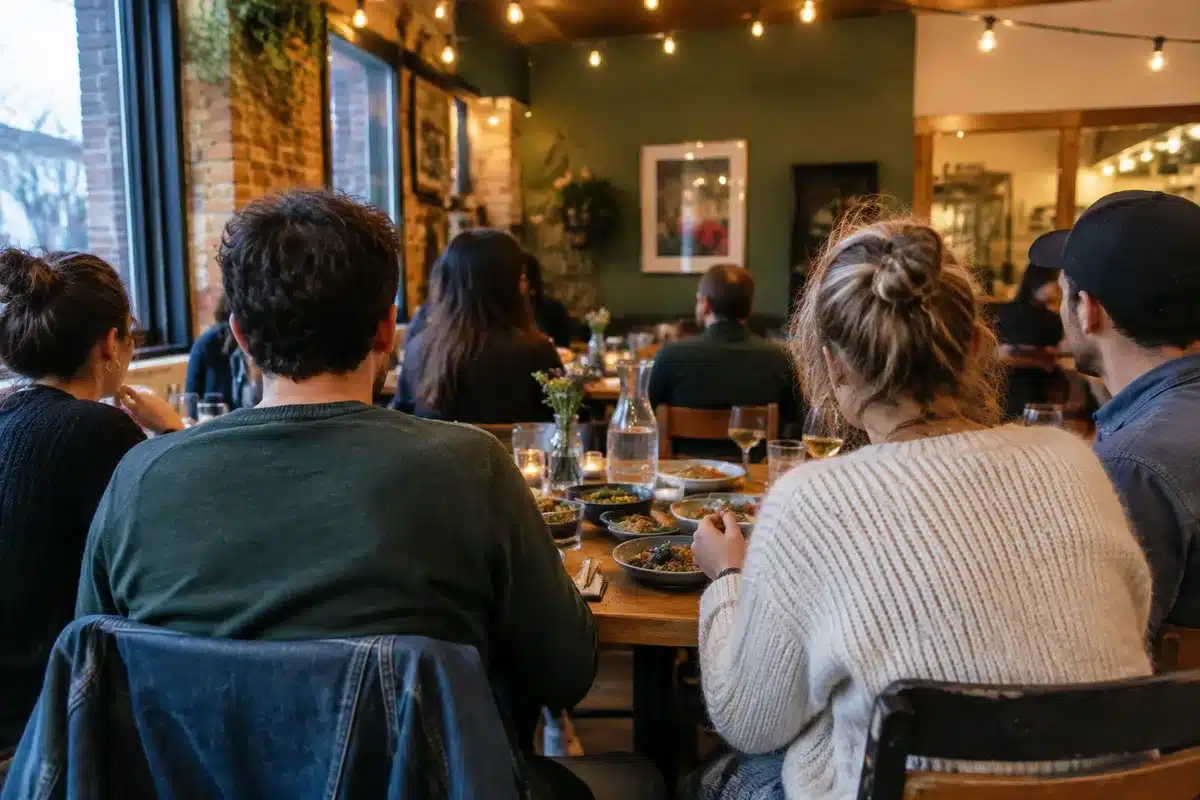
Patios and sidewalk seating are especially lively during summer and into early fall—a practical reason to time a visit for later daylight hours. Outdoor seating changes the experience: food feels more casual, and it’s easier to people-watch while you wait for your order.
Caramel, butterscotch, toffee: how their differences affect your desserts
McDonald’s rebrands Twitter to honor Bubba Wallace after his first NASCAR Cup win
Modern tables and bars
Over the past few seasons a handful of younger chefs and mixologists have opened contemporary takes on Italian food and drinks. These places are often smaller and reservation-friendly, with menus that emphasize seasonal ingredients, vegetable-forward antipasti and cocktails that riff on classic Italian liqueurs.
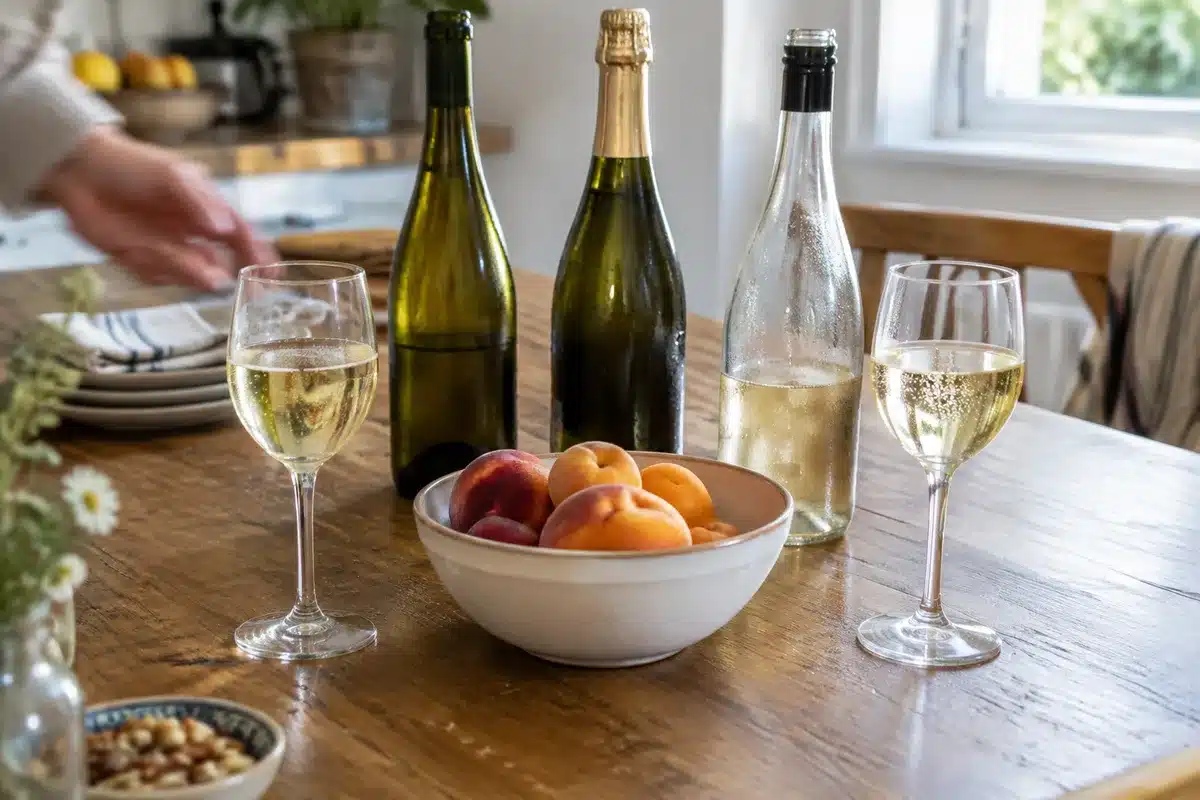
For drinks, look for bars that balance craft cocktails with a solid aperitivo program—Negronis, Americano variations and house apertifs served alongside small plates. If you want an intimate evening, search for cocktail menus that change frequently and bartenders who will tailor a drink based on your tastes.
Must-order dishes and drinks
- Fried calamari — a reliable starter across most sit-down places.
- Classic lasagna or ragù — best at family-run tables where sauces are cooked low and long.
- Wood-fired pizza — look for a thin, blistered crust if you want tradition; Neapolitan-style pies are increasingly common.
- Affogato or espresso — the neighborhood takes coffee seriously; pair these with a pastry.
- Negroni or Aperol Spritz — ideal aperitifs for late-afternoon people-watching.
Sweet stops and coffee counters
Bakeries and gelato stands are the easiest way to sample the neighborhood on foot. You’ll find crisp cannoli shells filled to order, almond biscotti, and gelatos in rotating seasonal flavors.
Cafés here still prioritize quick service and quality espresso. If your day includes a long walk, choose a counter service spot and try the house pastry—these are often good indicators of how seriously a place treats its baking.
When you’re short on time or cash
Little Italy can be surprisingly visitor-friendly for budget meals. Several shops offer sturdy sandwiches, slices of pizza by the box and prepared pasta to go. These options are perfect for a quick lunch or a relaxed picnic on a nearby bench.
Late-night options are limited compared with neighboring districts, so plan accordingly if you’re looking for a late meal. Dinner crowds typically peak between 7–9pm; arriving earlier or much later will reduce wait times significantly.
Practical tips to get the most from a visit
Reservations are recommended for dinner at popular sit-down restaurants, especially on weekends. For casual coffee or gelato, walk-ins are fine—but expect short lines on sunny afternoons.
Be mindful of the difference between tourist-oriented offerings and family-style kitchens. If you want an authentic meal rather than a “best photo” moment, look for places with long-standing local patronage, concise menus, and chefs working visible prep stations.
| Type of stop | What to expect | Typical price range |
|---|---|---|
| Traditional trattoria | Hearty pastas, ragù, family recipes | $15–$35 main |
| Bakery / pastry shop | Cannoli, sfogliatelle, espresso | $3–$8 |
| Casual pizza & slices | Quick, affordable, great for takeout | $3–$20 |
| Cocktail bar | Aperitivo-forward, craft cocktails | $12–$18 per drink |
Why this matters now
After years of changing city rhythms, Little Italy is balancing preservation with small, modern reinventions. The practical consequence for visitors is twofold: you can still find enduring neighborhood institutions, but new players are shaping a quieter, seasonally driven dining scene that rewards planning. That means better outdoor seating in summer, more inventive small plates and an emphasis on neighborhood-scale hospitality rather than high-volume tourism.
If you want an unmistakable neighborhood experience, combine a morning pastry run with an afternoon walk, then book an evening at a smaller restaurant where the food reflects local taste and time-tested technique. You’ll leave with a fuller sense of why Little Italy continues to matter in the city’s culinary map.
Irish whiskey: approachable bottles new drinkers should try today
Fishtown restaurants ranked: must-visit spots locals are raving about