Show summary Hide summary
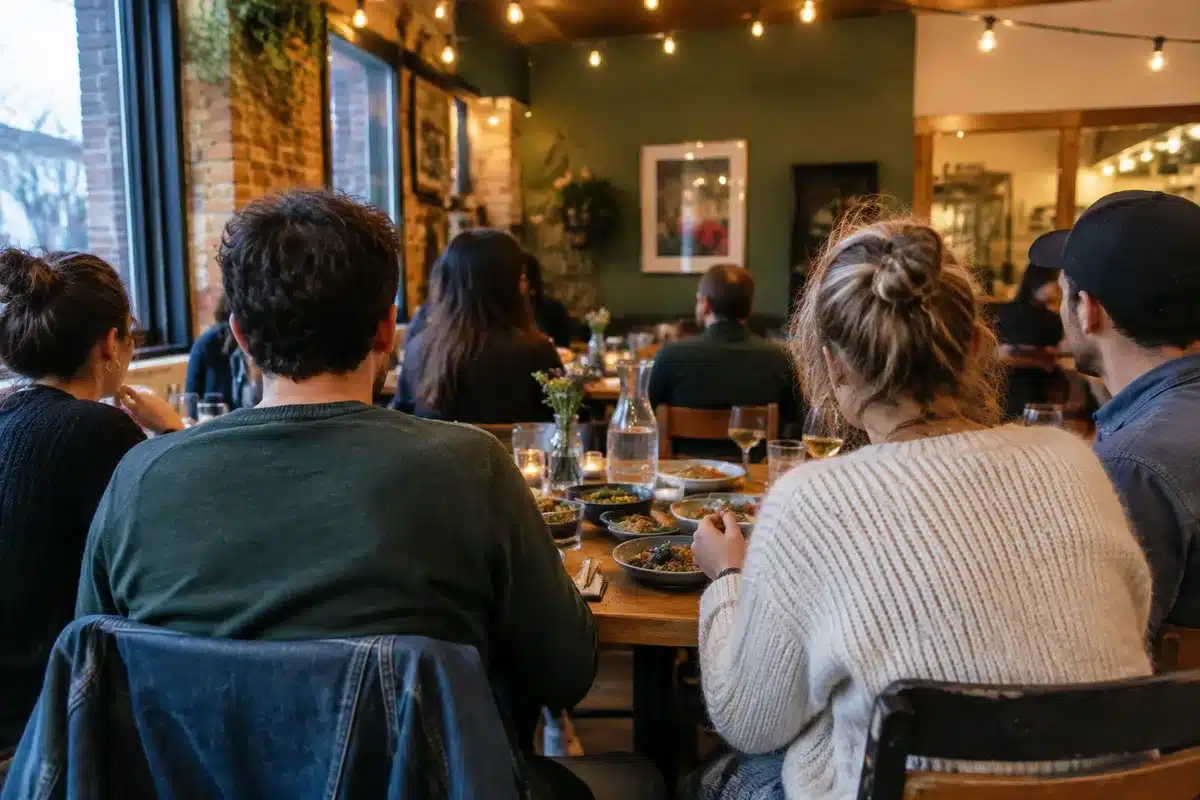
This week’s Michelin Guide for 2026 reshaped how Los Angeles looks on the map for serious diners, revealing both familiar strongholds and surprising pockets of acclaim. The pattern matters: where stars cluster affects neighborhood buzz, reservation pressure and the careers of chefs and service teams across the region.
What the map shows
At a glance, stars remain concentrated in several established hubs — the Arts District and Downtown, West Hollywood and Beverly Grove, and coastal neighborhoods near Santa Monica. But the distribution is not static: smaller clusters in Koreatown and parts of the San Gabriel Valley suggest a widening recognition of diverse cuisines beyond traditional fine‑dining corridors.
Caramel, butterscotch, toffee: how their differences affect your desserts
McDonald’s rebrands Twitter to honor Bubba Wallace after his first NASCAR Cup win
That spread has practical consequences. For diners it alters where reservations become scarce; for restaurateurs, a star on the map can change rent negotiations, staffing needs and investor interest. For readers tracking trends, the map signals that Michelin’s attention is broadening in Los Angeles, valuing both refinement and regional authenticity.
Selected neighborhoods and notable venues
| Neighborhood | Representative restaurants | What to watch |
|---|---|---|
| Arts District / Downtown | Restaurants blending modern techniques with local produce | Strong draw for culinary tourism; evening foot traffic rises |
| West Hollywood / Beverly Grove | Chef‑driven tasting menus and high‑end dining rooms | Reservation demand and price sensitivity spike |
| Koreatown | Innovative takes on Korean and fusion cuisines | Growing recognition of neighborhood authenticity |
| Santa Monica / Westside | Seafood‑forward and coastal‑inspired kitchens | Appeals to both locals and visiting food tourists |
| San Gabriel Valley (outskirts) | Regional specialties and elevated family‑style venues | Sign that Michelin is looking beyond core urban centers |
Immediate takeaways for diners and industry
- Reservation pressure: Expect quicker sellouts at starred tables, especially on weekends and holidays.
- Geographic spread: More neighborhoods now anchor fine‑dining options, reducing the need to head downtown for an elevated meal.
- Career impact: Chefs and senior staff at newly recognized venues often see rapid demand for bookings, pop‑ups and media appearances.
- Local economies: Neighborhoods with stars typically see a short‑term bump in foot traffic and long‑term boosts to hospitality investment.
For editors and food writers, the list is a reminder to map coverage more broadly: local food scenes in traditionally overlooked ZIP codes are producing work worthy of attention. For neighborhood planners, a concentration of acclaimed restaurants can become part of economic revitalization strategies — but it can also intensify pressure on affordability for residents and small businesses.
Context and perspective
Michelin’s selections are one lens among many. While a star can validate a restaurant’s craft, it is not the sole arbiter of quality or cultural importance. Many community favorites and critically acclaimed kitchens operate outside the guide’s spotlight yet shape Los Angeles’ culinary identity just as powerfully.
Still, the 2026 map is notable for how it blends legacy venues with newer entrants, and for showing that culinary excellence in Los Angeles is not confined to a single neighborhood or style. That mix — tradition alongside experimentation — helps explain why the city continues to attract chefs, diners and journalists looking for what’s next in American dining.
If you plan to explore the new Michelin map, consider booking early, checking for weekday availability, and looking beyond the obvious neighborhoods. The changing landscape means great meals are available in more corners of the region — you may just have to look a little harder to find them.
Irish whiskey: approachable bottles new drinkers should try today
Fishtown restaurants ranked: must-visit spots locals are raving about