Show summary Hide summary
When a handful of home cooks filled out a waitlist for a one-night workshop, it signaled something larger: Los Angeles is suddenly hungrier for Caribbean food and the communities it creates. A string of recent openings, pop-ups becoming permanent, and high-profile chefs expanding the conversation have pushed Caribbean flavors into the city’s culinary foreground — with clear consequences for diners, local chefs, and neighborhoods.
From a kitchen class to a movement
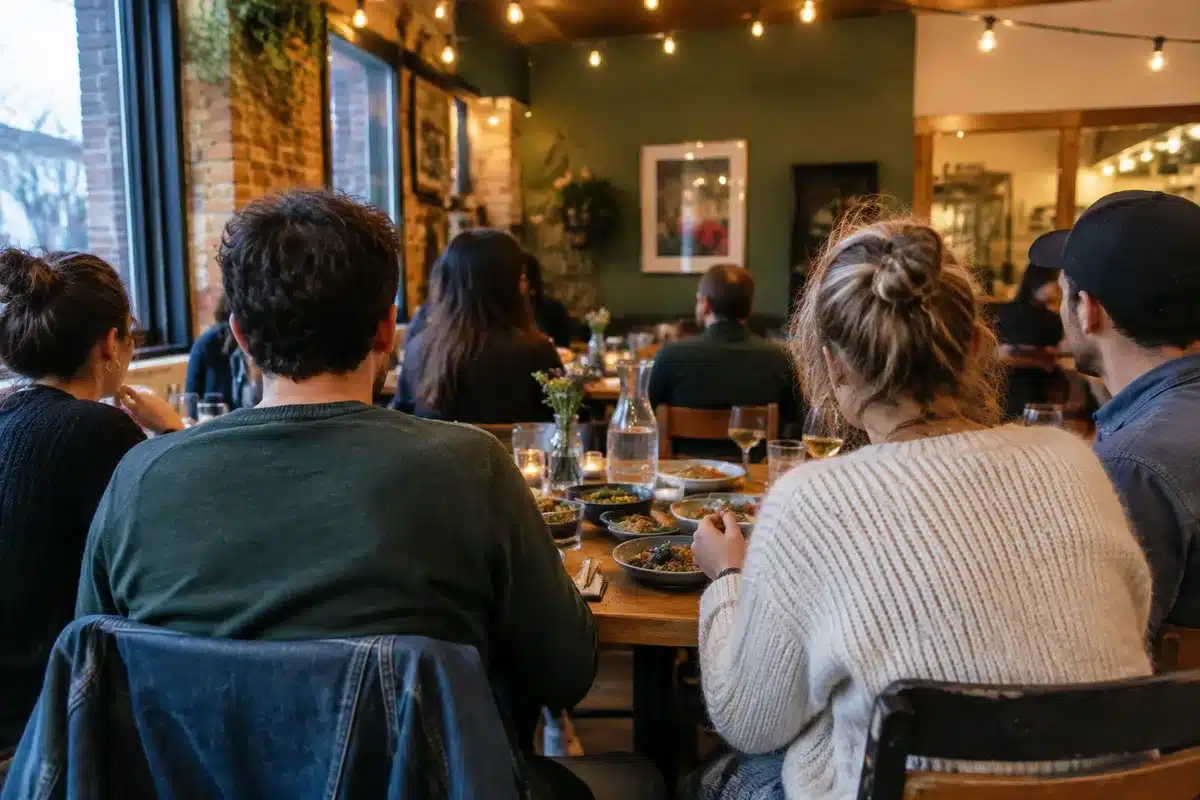
Kerline Ordeus launched Haitian Knockout Kitchen in October 2025 as a way to cook the food she missed after moving to Los Angeles in 2020. What started as a small series of workshops quickly turned into one of the most requested reservations in town: by June, about 150 people were on a waitlist for a single class that only had 10 seats.
Caramel, butterscotch, toffee: how their differences affect your desserts
McDonald’s rebrands Twitter to honor Bubba Wallace after his first NASCAR Cup win
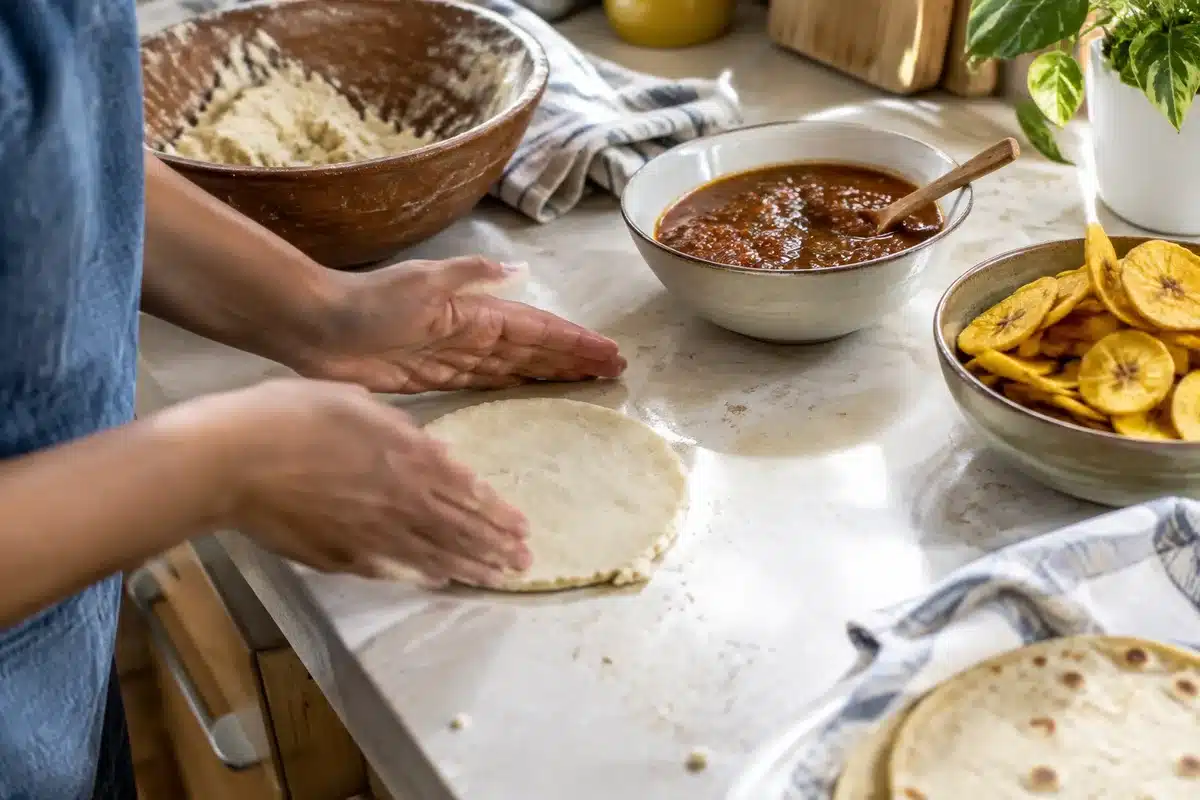
Ordeus says the interest goes beyond recipes. Attendees want to learn techniques like making green seasoning, preparing plantains, and marinating meats — and, just as importantly, to find community. The response points to a wider appetite for spaces that celebrate Caribbean culinary traditions, not just isolated takeout counters.
Why Los Angeles is only now catching up
Part of the explanation is demographic history. Cities such as New York and Miami have long been home to large Caribbean diasporas — New York hosts more than 1.3 million people with Puerto Rican, Cuban, Jamaican and other Caribbean backgrounds, and roughly one in five Miami residents was born in the Caribbean. By contrast, Los Angeles’ Caribbean population has hovered below 30,000.
That difference helps explain why Caribbean restaurants have historically been less visible across the sprawling Los Angeles region, where cultural culinary anchors have tended to be communities with larger waves of migration, including Mexican, Korean and Armenian neighborhoods.
Still, several longstanding local institutions have kept Caribbean flavors alive: Sherman Oaks’ Coley’s Original (Jamaican, open since 1982), Tracey’s Belizean near Exposition Park (nearly two decades in business), and Los Angeles staples like Porto’s Cuban bakery, which has been a fixture since the 1970s.
New openings, new directions
The past two years have accelerated a shift from niche to mainstream.
Fairfax’s Lucia became the city’s first fine-dining restaurant explicitly presenting Caribbean-derived tasting menus when it opened in 2025; its focus has evolved from a Jamaican-led approach under chef Adrian Forte to a broader Latin Caribbean perspective under chef Cleophus “Ophus” Hethington. Chef Alejandro Eusebio introduced Amiguita’s Afro-Caribbean plates in March 2026. In Hollywood, a new spot called ABL — which opened April 22, 2026 — pairs Jamaican flavors with Chinese techniques, offering dishes such as oxtail lo mein and jerk-fried oysters.
Bridgetown Roti, a pandemic-era pop-up that settled into a permanent East Hollywood address in 2024, is often cited as a catalyst for the recent wave. Drawing on Trinidadian, Jamaican and Bajan traditions, Bridgetown’s roti wraps, oxtail patties and channa doubles helped normalize Caribbean street foods on the city’s restaurant circuit; the pop-up gained recognition as Eater Los Angeles’ Restaurant of the Year in 2021.
Beyond Los Angeles proper, chef Kwame Onwuachi expanded the conversation in late April with Maroon, an Afro-Caribbean steakhouse inside the Sahara Las Vegas. Maroon reimagines the classic steakhouse through Caribbean foodways — curry goat agnolotti, oxtail Wellington and jerk-fired preparations — and centers a custom jerk pit as a dining-room focal point.
Other notable recent moves include Tev’s & Family Kitchen opening a second location in Gardena in March 2026 and Trinidadian-focused Demrani Roti + Doubles debuting near Venice Boulevard and Western Avenue earlier this year.
Where to start: notable spots to try
- Haitian Knockout Kitchen — Hands-on classes that teach traditional Haitian preparations and provide community connection.
- Bridgetown Roti — East Hollywood roti and doubles that helped shift a pop-up into a neighborhood mainstay.
- Lucia — Fine-dining Caribbean tasting menus on Fairfax, evolving through different chef-led visions.
- ABL — A Jamaican–Chinese crossover in Hollywood offering hybrid plates like oxtail lo mein.
- Maroon (Sahara Las Vegas) — An Afro-Caribbean steakhouse translating diaspora flavors into high-end dining.
What this shift means
The expanding presence of Caribbean food in Los Angeles has several immediate effects: it creates new career paths for chefs from the region, provides culturally specific gathering places for Caribbean Angelenos, and exposes broader audiences to foodways that have long influenced American Southern cuisine.
There’s also culinary innovation at play. Chefs are not simply reproducing traditional dishes for tourism; many are combining techniques and ingredients across diasporic lines — Jamaican spices meet Chinese wok-and-wok-finish methods, or Trinidadian street-plate formats reimagined for sit-down service. That fusion reflects both generational change and a market ready to accept nuanced, mixed-heritage menus.
For diners, the payoff is more than novelty. Increased visibility of Caribbean restaurants means greater access to authentic ingredients, more community-oriented events like cooking classes and supper clubs, and, over time, fuller representation of the city’s culinary tapestry.
Further reading and resources
- Check local maps and curated guides for vetted Caribbean-diaspora restaurants across Los Angeles.
- Coverage of Maroon and its opening provides context for how Caribbean food is being presented in destination dining.
- Look into reporting on the history of Creole and Southern food in Los Angeles to see how Caribbean and African foodways have shaped regional cuisines.
The current momentum is unmistakable: small classes, neighborhood roti shops and ambitious dining rooms are connecting to form a more visible Caribbean presence in Los Angeles. Whether this becomes lasting infrastructure for communities or a passing trend will depend on sustained support from diners, landlords and the restaurant industry — but for now, the city’s table is richer for it.
Irish whiskey: approachable bottles new drinkers should try today
Fishtown restaurants ranked: must-visit spots locals are raving about