Show summary Hide summary
In a Portland driveway, a home-based bakery is turning neighborhood trust into a thriving local business — and drawing national attention on social platforms. The model is simple but unusual: baked goods set out for customers to pick up on the honor system, a setup that highlights changing ways Americans shop small and support local entrepreneurs.
From pharmacy to porch bakes
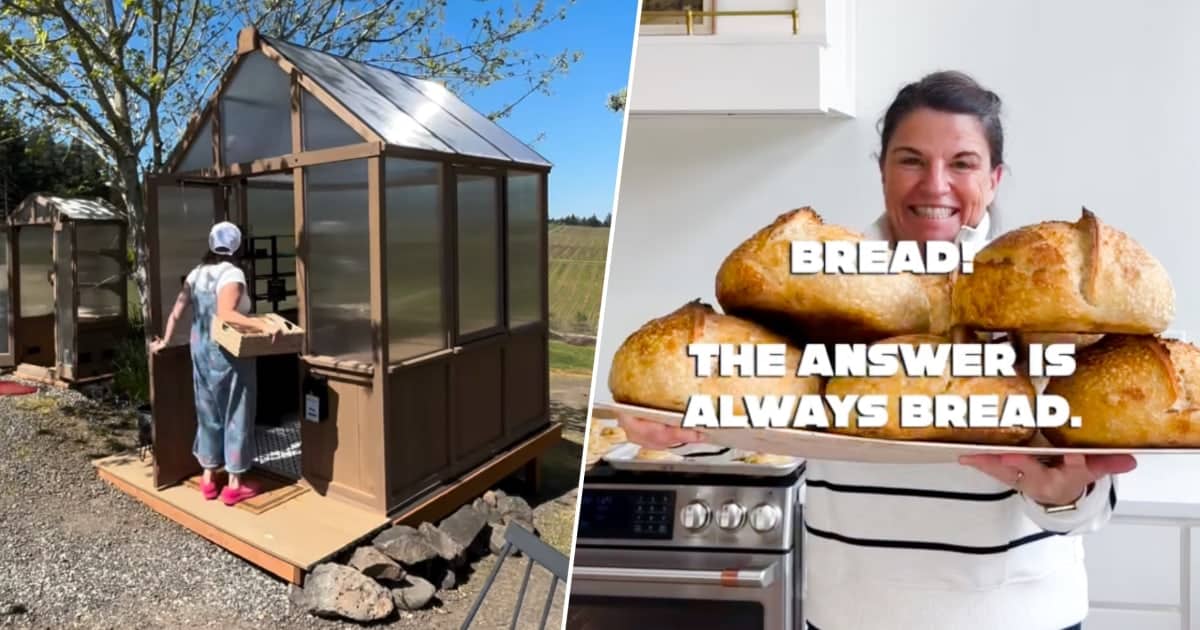
Wendy House spent decades working as a pharmacist and raising four sons before deciding to turn a lifelong hobby into a small enterprise. What began as a few sourdough loaves sold to friends from a tiny greenhouse has expanded into a full weekly menu offered from her driveway.
Caramel, butterscotch, toffee: how their differences affect your desserts
McDonald’s rebrands Twitter to honor Bubba Wallace after his first NASCAR Cup win
House runs Little House Bread Co., a microbakery that operates without a storefront or staff. Instead of a register, customers find a simple payment station and a calculator for larger orders — and are expected to pay honestly for whatever they take.
How the honor system keeps working
The concept might sound fragile, but House says the arrangement has held up even as strangers began making the drive to buy her bread and pastries. She reports many customers travel an hour or more; most follow the rules without supervision.
Her offerings now include savory loaves such as caramelized-onion and Gruyère sourdough plus weeknight staples like cinnamon rolls. Because she sells locally, shipping isn’t offered — the business relies on neighborhood foot traffic and repeat buyers.
- Typical menu items: sourdough variants, sweet rolls, scones and seasonal specialties.
- Operation style: self-serve, honor-based payments, online presence to list locations.
- Who it serves: local residents, repeat customers and occasional visitors from farther away.
- Regulatory note: many small bakers operate under state cottage food laws, which allow limited home-based food sales — rules vary by state.
House’s family created a simple website to help customers locate the closest microbakery, reflecting how grassroots food sellers are combining old-fashioned trust with modern connectivity. On social platforms, she shares technique tips and encourages fellow bakers, helping foster a cooperative rather than competitive online community.
Why this matters now
Microbakeries like House’s touch on several current trends: consumers seeking local, artisanal products; people building side businesses while staying at home with children; and tighter, trust-based micro-economies that reinforce neighborhood ties. As more consumers value provenance and face-to-face commerce, honor-system operations provide a low-overhead path into entrepreneurship.
There are practical takeaways for readers considering similar projects or for shoppers curious about the model.
- For aspiring sellers: check your state’s regulations on cottage food sales before opening, and start small to test demand.
- For buyers: expect limited hours, no shipping and cash-or-honored payments; treat these operations like community-run pop-ups.
- For neighbors: supporting a microbakery can keep money local and help someone turn a hobby into sustainable income.
House emphasizes that the project was never about scale or profit alone. After years of parenting and a long career, she found the greenhouse-turned-bakery provided purpose and connection. Her experience suggests a broader lesson: when communities choose to trust, small ventures can flourish.
Whatever the future holds for Little House Bread Co., the bakery’s rise highlights a simple shift in local commerce — one loaf at a time, built on honesty and neighborhood support.
Irish whiskey: approachable bottles new drinkers should try today
Fishtown restaurants ranked: must-visit spots locals are raving about