
Show summary Hide summary
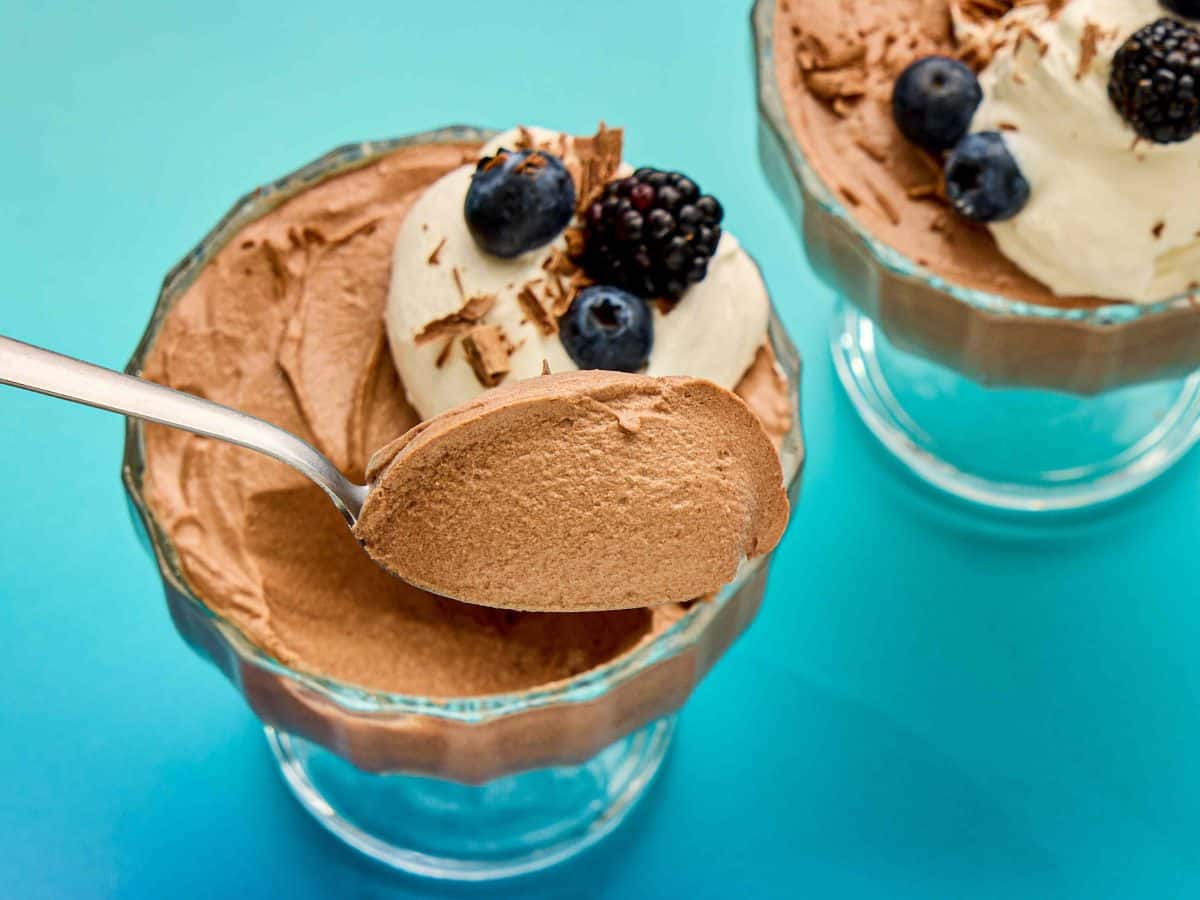
A simple kitchen trick has been making the rounds: blend cottage cheese into a chocolate mousse that feels indulgent but packs more protein than a typical dessert. The payoff is practical — a quick, three-ingredient recipe that keeps texture and flavor while dialing down sugar and fat compared with traditional mousse.
Why this matters now
Short prep time and higher protein content have made no-fuss desserts a social-media staple this year, and this cottage-cheese mousse fits that niche. For readers balancing time, nutrition and cravings, it offers a feasible swap that can be prepared in minutes and stored for several days.
Caramel, butterscotch, toffee: how their differences affect your desserts
McDonald’s rebrands Twitter to honor Bubba Wallace after his first NASCAR Cup win
How it works
Blending cottage cheese until completely smooth creates a neutral, creamy base. Adding unsweetened cocoa powder and a modest sweetener masks the tang of the dairy and produces a chocolate-forward flavor. The mousse relies on mechanical emulsification rather than heavy cream or eggs to achieve silkiness.
Because the base is dairy and already strained, the final texture is denser than air-whipped mousse but recognizably mousse-like — rich on the palate without tasting like cottage cheese.
What you’ll need (and why)
| Ingredient | Typical amount | Role |
|---|---|---|
| Cottage cheese | 1 cup (about 220 g) | Protein-rich, creamy base |
| Cocoa powder | 2–3 tbsp | Delivers chocolate flavor without added sugar |
| Sweetener (honey, maple, or sugar) | 1–2 tbsp, to taste | Balances bitterness; controls sweetness level |
Quick method
Place the cottage cheese, cocoa and sweetener in a blender or food processor. Pulse until completely smooth, stopping to scrape down the sides as needed. Taste and adjust cocoa or sweetener. Chill briefly to firm up, then serve plain or with a garnish.
Taste, texture and serving ideas
The mousse leans more toward a velvety pudding than an aerated French mousse, but the chocolate notes are front and center. Because the dairy base is already strained, the final dish avoids curds or graininess when blended properly.
- Serve with fresh berries or a sprinkle of chopped nuts for contrast.
- Fold in a spoonful of whipped cream or Greek yogurt for a lighter or richer finish.
- For a vegan-like tweak, try silken tofu instead of cottage cheese — texture and protein will differ.
Practical tips and precautions
Use full- or low-fat cottage cheese depending on desired richness; very low-fat versions can taste thin. For the smoothest result, a high-speed blender or a short pass through a fine mesh sieve helps. Because cottage cheese is perishable, keep leftovers refrigerated and use within three to four days.
If you are sensitive to dairy flavors or textures, start with a smaller portion and adjust cocoa and sweetener until the chocolate masks the base to your liking.
Nutrition snapshot (estimate per serving)
| Approximate value | Per serving |
|---|---|
| Calories | ~180–240 kcal (varies by cottage cheese fat level and sweetener) |
| Protein | ~15–20 g |
| Fat | ~4–10 g |
| Sugar | Depends on sweetener; can be kept low |
For home cooks, the appeal is straightforward: a fast, protein-forward dessert that satisfies a chocolate craving without the usual prep or ingredients. It’s not a direct replica of classic mousse, but it may be a useful, everyday alternative for people seeking a healthier sweet option.
Irish whiskey: approachable bottles new drinkers should try today
Fishtown restaurants ranked: must-visit spots locals are raving about