Show summary Hide summary
Lunches that taste just as good straight from the fridge are no longer a convenience—they’re a practical response to busier schedules, tighter budgets and warmer weather. Dishes that hold up at room temperature let you plan ahead, cut mealtime stress and still eat well at work, picnic or home.
Why room-temp meals matter now
With hybrid work patterns and hectic evenings, cooking once and eating twice has become a common strategy. Beyond saving time, these recipes reduce food waste and can make healthier choices easier when the alternative is fast food.
Caramel, butterscotch, toffee: how their differences affect your desserts
McDonald’s rebrands Twitter to honor Bubba Wallace after his first NASCAR Cup win
But not every recipe survives an overnight chill. The dishes that do have one thing in common: they keep their texture and flavor even after cooling, and they handle dressings, oils and acids without going soggy.
Quick rules for success
- Cool fast: Chill hot food quickly to avoid bacterial growth—shallow containers help.
- Dressing strategy: Toss delicate greens or crunchy toppings just before eating.
- Layer smart: Keep wet ingredients separate from dry ones while storing.
- Fresh additions: Pack herbs, sauces or nuts on the side to revive flavor and texture.
Practical examples that travel well
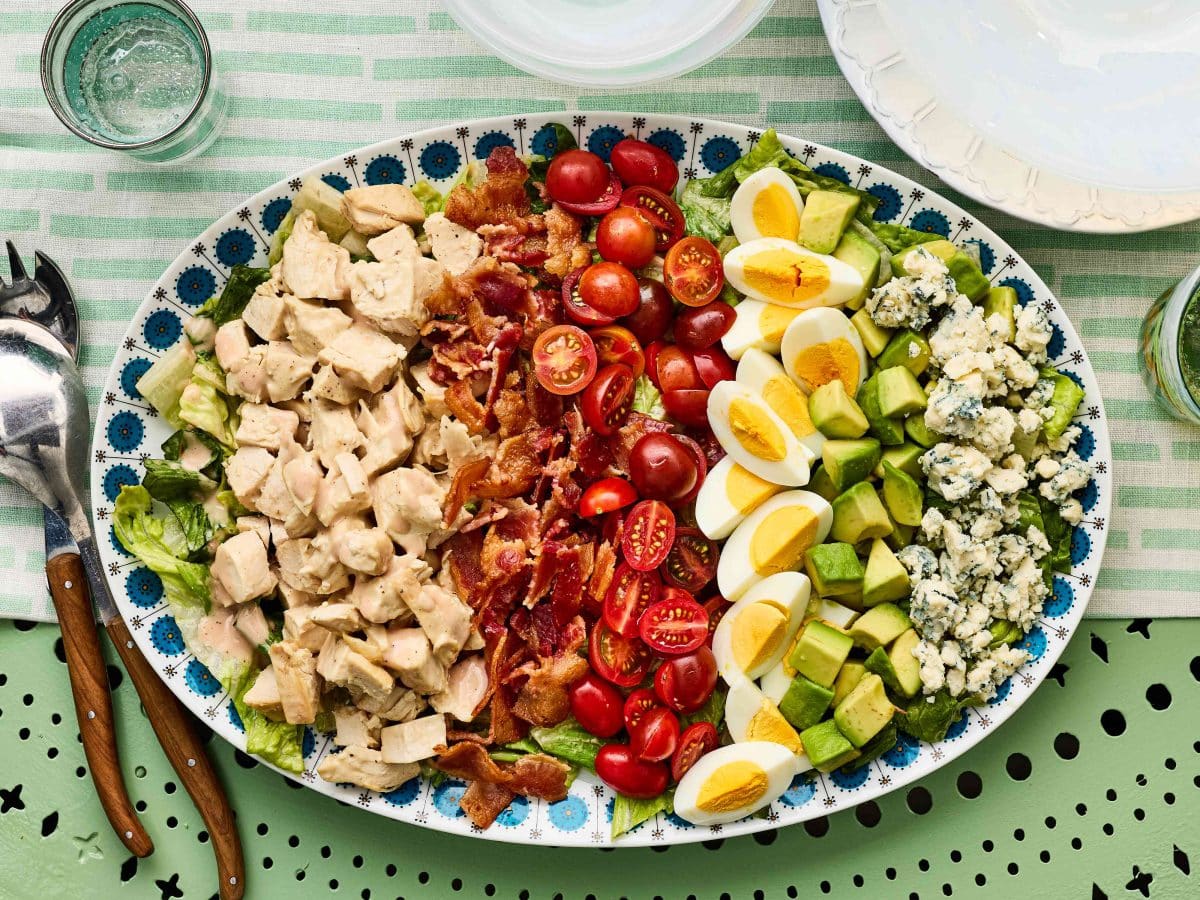
Below are reliable categories and concrete takes that perform well cold or at room temperature—good for packed lunches, potlucks and make-ahead dinners.
| Dish type | Why it works cold | Storage tip |
|---|---|---|
| Grain bowls (rice, farro, quinoa) | Grains retain structure and absorb dressings without becoming mushy. | Store grains and saucy components separately; combine before eating. |
| Pasta salads | Pasta holds flavor from vinaigrettes and keeps a pleasant bite. | Use al dente pasta and a light oil-based dressing to prevent clumping. |
| Roasted vegetable salads | Roasting concentrates flavor; vegetables remain tasty at room temp. | Roast until slightly caramelized and cool on a rack for even cooling. |
| Cold proteins (poached chicken, cooked beans, cured fish) | Proteins can be sliced or flaked and adapt to salads, sandwiches or bowls. | Keep in airtight containers and use within 3–4 days. |
| Frittatas and savory bakes | Egg-based dishes set firm and taste good without reheating. | Portion before cooling for easier packing; avoid heavy cream to reduce separation. |
| Legume salads (chickpeas, lentils) | Legumes absorb dressing and keep a satisfying texture. | Season boldly—herbs and acid brighten flavors after chilling. |
| Pickled or marinated vegetables | Acid preserves crunch and adds brightness to cooled plates. | Keep pickles separate or use them as a finishing garnish to add snap. |
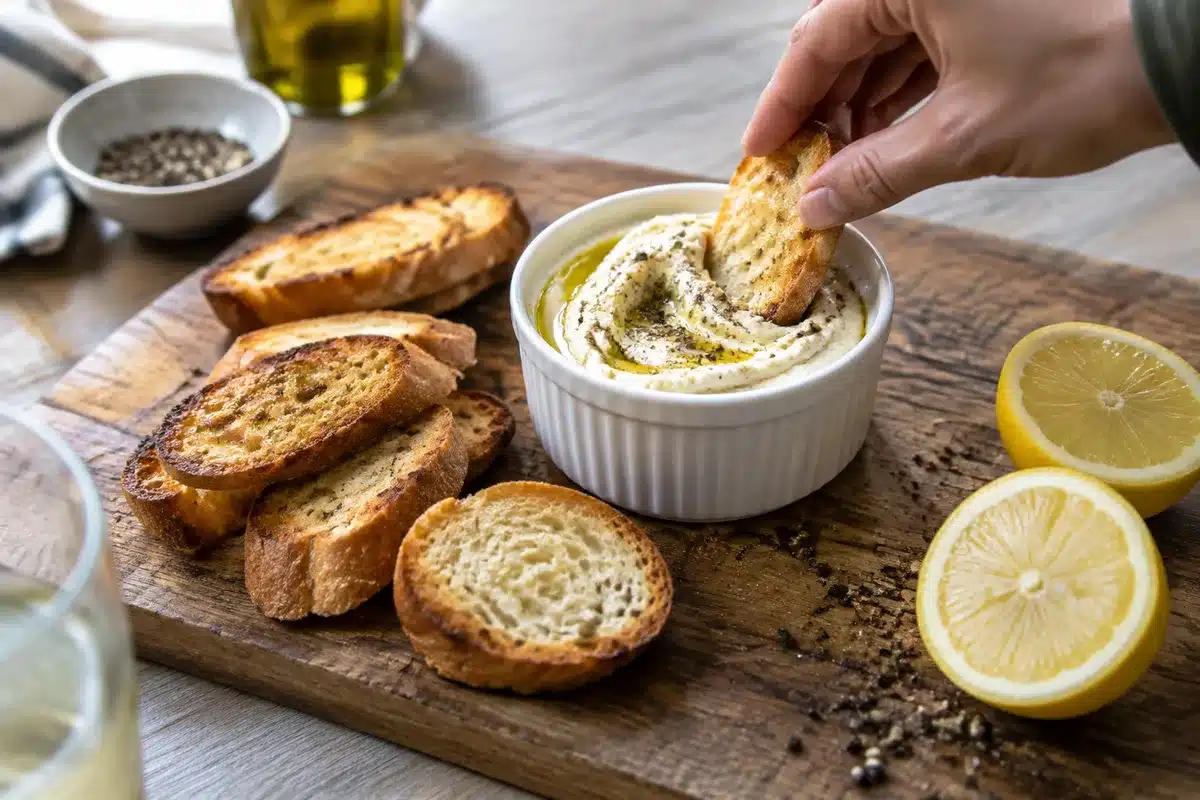
| Grain- and bean-based dips | Dips like hummus or bean purées become more flavorful after resting. | Top with olive oil and toasted seeds just before serving. |
Texture and timing: small changes that make a difference
Think about contrast. A bowl of tender grains benefits from a crunchy element—raw vegetables, toasted nuts or seeds. If you plan to eat a dish cold, add crisp components later or keep them in a separate small container.
Acid is a useful tool. A squeeze of lemon or a splash of vinegar wakes up flavors that can dull in the fridge. But use acid sparingly on delicate greens: too much will wilt them overnight.
Packing and safety: what to keep in mind
Food safety is straightforward if you follow a few simple practices. Refrigerate food within two hours of cooking, keep your fridge at or below 40°F (4°C), and use airtight containers to reduce odor transfer and moisture loss.
For commuters, include an insulated lunch bag or a small ice pack when you expect long transit times. When in doubt, trust your senses—off smells, slimy textures or odd colors mean toss it out.
Simple day-before routine
1) Cook and cool in shallow pans.
2) Portion into lunch-sized containers.
3) Pack dressings and crunchy toppings separately.
4) Label with date to track freshness.
Following these steps makes weekday mornings calmer and reduces the temptation to reach for quick, less-nutritious options.
Final takeaway
Meals that travel well—whether eaten at room temperature or straight from the fridge—are practical solutions for modern life. With a few storage habits and the right combinations of ingredients, you can build a weekly rotation that saves time, reduces waste and keeps lunches interesting.
Irish whiskey: approachable bottles new drinkers should try today
Fishtown restaurants ranked: must-visit spots locals are raving about