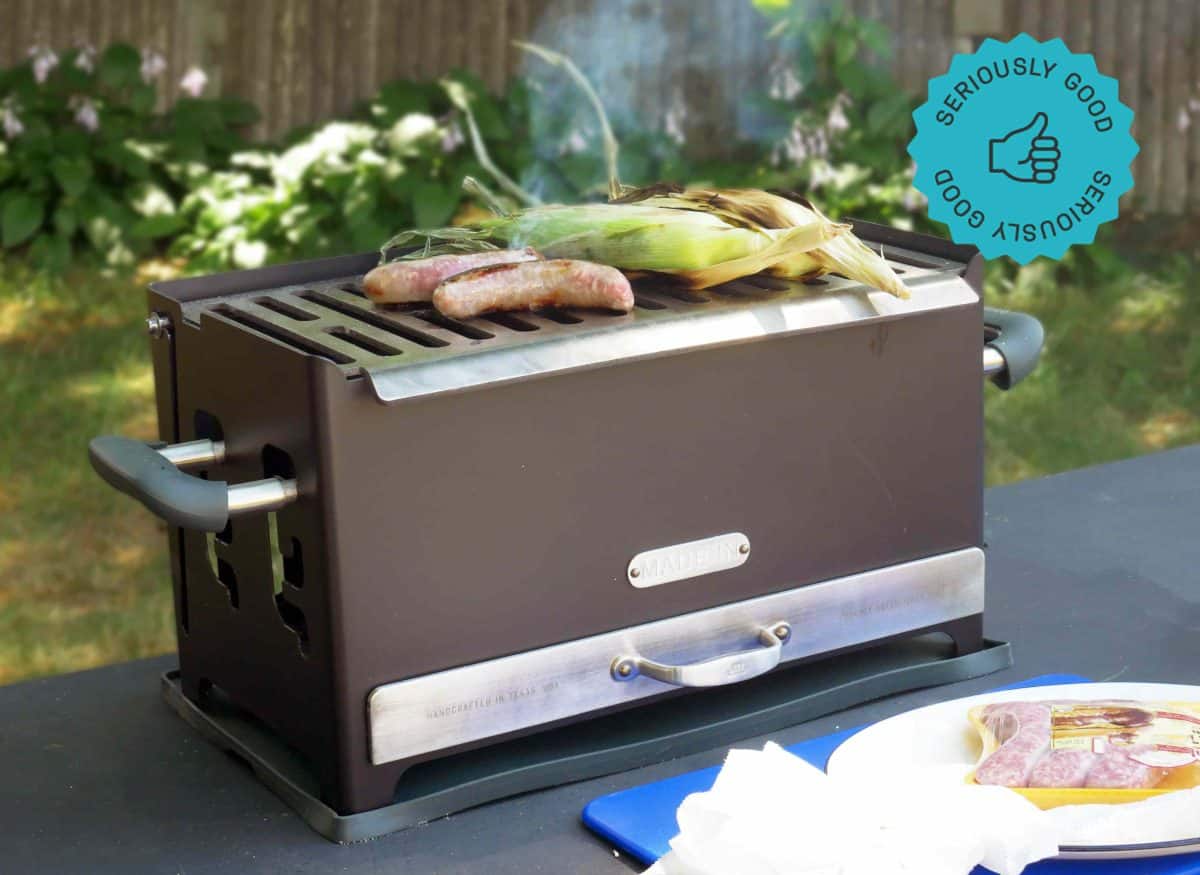
Adjusting the charcoal tray inside a grill gives you immediate control over cooking temperature without fussy vents or constant lid lifting — a small change with big practical payoff for anyone cooking over coals this season. Whether you’re searing steaks or slow-cooking vegetables, moving the tray alters how much heat reaches the food, affecting cook time, crust development, and fuel use.
How the tray changes heat
A charcoal tray that can move up or down acts like a simple mechanical thermostat. Lowering the tray brings the coals closer to the grate and the food, increasing radiant heat and speeding browning. Raising it creates a larger gap, softening the intensity for gentler, more even cooking.
This matters today because many home cooks are trading convenience for control; adjustable trays let you fine-tune heat without adding fuel or fiddling with air intake, saving time and charcoal during busy outdoor cooking seasons.
Caramel, butterscotch, toffee: how their differences affect your desserts
McDonald’s rebrands Twitter to honor Bubba Wallace after his first NASCAR Cup win
Practical effects and uses
For quick sears and steaks, drop the tray to maximize direct radiant heat and develop a fast crust. For thicker cuts or foods that need slower cooking — whole chickens, pork shoulder, or dense vegetables — raise the tray and rely more on convection and ambient heat so interiors cook through without burning the exterior.
A movable tray also creates easy zones for indirect cooking. Slide coals to one side and position the tray asymmetrically: one side hot for searing, the other cooler for finishing.
Quick checklist: when to move the tray
– Lower the tray for fast sears and high-heat grilling.
– Raise the tray for slow roasts, smoking, or delicate items.
– Adjust incrementally; small changes can have big effects.
– Reposition coals and tray to create direct and indirect heat zones.
Safety and airflow considerations
Changing tray height alters airflow patterns inside the grill. When the tray is close to the grate, expect stronger updrafts and faster charcoal consumption. Keep vents calibrated and avoid over-closing lids — restricted airflow can smother coals or produce excessive smoke.
Always use long-handled tools or heat-rated gloves when moving a tray that may be warm. Allow coals to settle and use tongs or dedicated tray handles; some designs include heat shields or insulated mechanisms to reduce risk.
Maintenance tips
Moveable trays extend grill versatility but require periodic care. Clean ash regularly so repositioning remains smooth. Inspect hinges, slides, and locking pins for rust or warping; a sticky tray limits precise adjustments and can create unpredictable heat spots.
Simple maintenance checklist:
– Remove ash after each cook.
– Wipe sliding surfaces with a wire brush when cool.
– Lubricate pivot points with a food-safe high-temperature lubricant if manufacturer recommends it.
– Replace warped trays or damaged locks to maintain even heat control.
At-a-glance: tray position vs typical effect
| Tray position | Typical result | Common uses |
|---|---|---|
| Low / close to grate | High radiant heat, quick browning | Steaks, burgers, quick sears |
| Middle | Balanced heat, moderate sear with even cooking | Thicker chops, fish, mixed grills |
| High / farthest from grate | Lower, gentler heat; slower cook | Whole chicken, ribs, low-and-slow items |
A final word on flavor and efficiency
Beyond temperature control, moving the tray can subtly influence smoke exposure and how quickly fats drip onto coals, both of which affect flavor. It’s a simple, durable way to add flexibility to charcoal cooking without electronics or extra fuel — especially useful for cooks who value hands-on technique and want predictable results.
Experiment in small steps: change tray position between cooks, note timings and outcomes, and you’ll find a few reliable setups that fit your favorite dishes.
Irish whiskey: approachable bottles new drinkers should try today
Fishtown restaurants ranked: must-visit spots locals are raving about