Show summary Hide summary
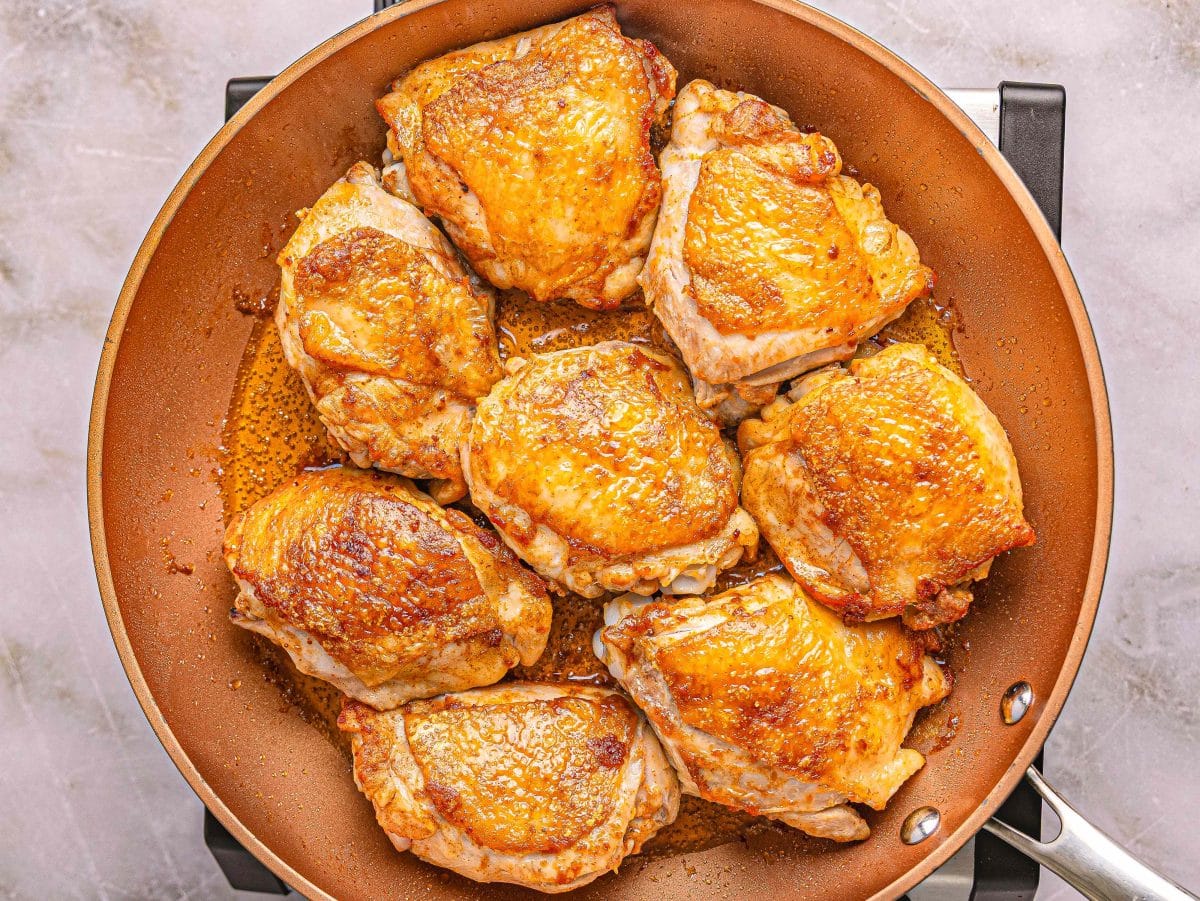
Once dismissed as mere packaging for the meat, chicken skin has quietly become the star ingredient on menus and home tables — prized for crisp texture and deep flavor while also cutting kitchen waste. The shift matters now because it reflects a wider move by chefs and cooks to squeeze more taste and value from every bird, with practical implications for cost, sustainability, and how you cook at home.
Restaurants are increasingly featuring chicken skin in new guises — from paper-thin chips and airy cracklings to concentrated sauces and crunchy taco toppers. That evolution is not just about indulgence: it’s a straightforward answer to rising food costs and a push to reduce scrap. For diners, that means familiar comfort flavors served with sharper technique; for home cooks, it opens simple ways to boost dishes without buying extra ingredients.
Why the fascination with chicken skin is growing
At the root of the trend is texture. The Maillard-rich crunch of properly rendered skin brings an instant sensory payoff that browning alone can’t match. Chefs also prize it because it carries fat-soluble flavors — garlic, chile, smoked paprika — more effectively than lean meat.
Caramel, butterscotch, toffee: how their differences affect your desserts
McDonald’s rebrands Twitter to honor Bubba Wallace after his first NASCAR Cup win
Beyond taste, there’s a sustainability angle. Using skin reduces kitchen waste and squeezes more value out of whole birds, a benefit in professional and domestic kitchens negotiating higher protein prices.
Techniques that work — and why
Different preparations emphasize different qualities: some methods aim for ultra-thin, shattering chips; others render fat slowly to leave a crisp lattice that can prop as a plateful crunch. You don’t need special tools to get good results, but small technique shifts make a big difference.
| Method | Approach | Result | Best for |
|---|---|---|---|
| Oven rack | Spread skin on a wire rack over a baking sheet; roast at 400–425°F | Evenly crisp, low hands-on time | Batch chips, garnish for salads |
| Skillet | Start skin-side down over medium heat, press, render fat; finish high heat | Deeply browned, slightly chewy center | Crispy skin on bone-in pieces |
| Air fryer | Single layer, short bursts at high heat (375–400°F) | Fast, consistent crunch | Snacks and small batches |
| Confit | Gently render in fat or roast slowly, then crisp quickly | Silky fat, shatter-crisp exterior | Elevated preparations, long storage |
Practical tips for home cooks
- Pat the skin very dry before cooking; moisture prevents crisping.
- Score or pierce thinly to help fat render more quickly and evenly.
- Season sparingly before cooking — salt draws moisture — then finish with flavor after crisping.
- Reserve rendered fat for roasting vegetables or frying potatoes; it’s a flavor multiplier.
- Store cooked skin in a single layer on paper towel and re-crisp briefly in the oven.
For those worried about richness, consider using crispy skin as a finishing accent rather than the main course. A few shards will deliver a strong flavor payoff while keeping portions of fat modest.
Safety, storage and nutrition
Freshness is essential. Raw skin should be treated like any other raw poultry: keep it cold, use it within a day or two, or freeze for longer storage. Cooked skin keeps for a couple of days in the fridge; reheat crisp in a hot oven or air fryer to restore texture.
Nutrition-wise, chicken skin is calorie-dense and high in fat, but much of that is monounsaturated and can be part of a balanced diet when used judiciously. If you have specific dietary concerns, consult a health professional.
What this trend means for your plate
Chicken skin’s resurgence is more than a culinary fad: it’s a small but tangible change in how cooks think about ingredients and waste. For readers, that translates to better flavor at lower cost and more control over what ends up on the table.
Next time you carve a bird, consider saving the skin. With a few simple steps you can transform it into an economical, flavorful topping that changes the character of a meal — and reduces the amount you throw away.
Irish whiskey: approachable bottles new drinkers should try today
Fishtown restaurants ranked: must-visit spots locals are raving about